Egypt has ordered malls, shops, restaurants, cafes, and other commercial venues to close at 9 p.m. for a month as Cairo tries to cut electricity use and contain the economic damage from soaring energy import costs tied to the regional war. The curbs, announced by Prime Minister Mostafa Madbouly and put into effect in late March, reflect how a conflict centered on the Gulf is now reshaping daily life in the Arab world’s most populous country.
The move is part of a broader emergency package. Egypt has already raised fuel prices, slowed some energy-hungry state projects, introduced remote work on Sundays in parts of the public sector, and now has increased electricity prices for higher-use households and commercial consumers. Tariffs for higher residential brackets rose by an average of 16%, while commercial rates rose about 20%. Lower-use households were shielded from the latest increase.
Madbouly has said Egypt’s energy import bill more than doubled after the war involving the US, Israel, and Iran drove up global fuel costs. The monthly bill climbed from about $1.2 billion in January to $2.5 billion in March, with natural gas imports alone nearly tripling. That is grim news for an economy already weighed down by heavy debt and stubborn inflation, which remains in double digits after peaking at 38% in September 2023.
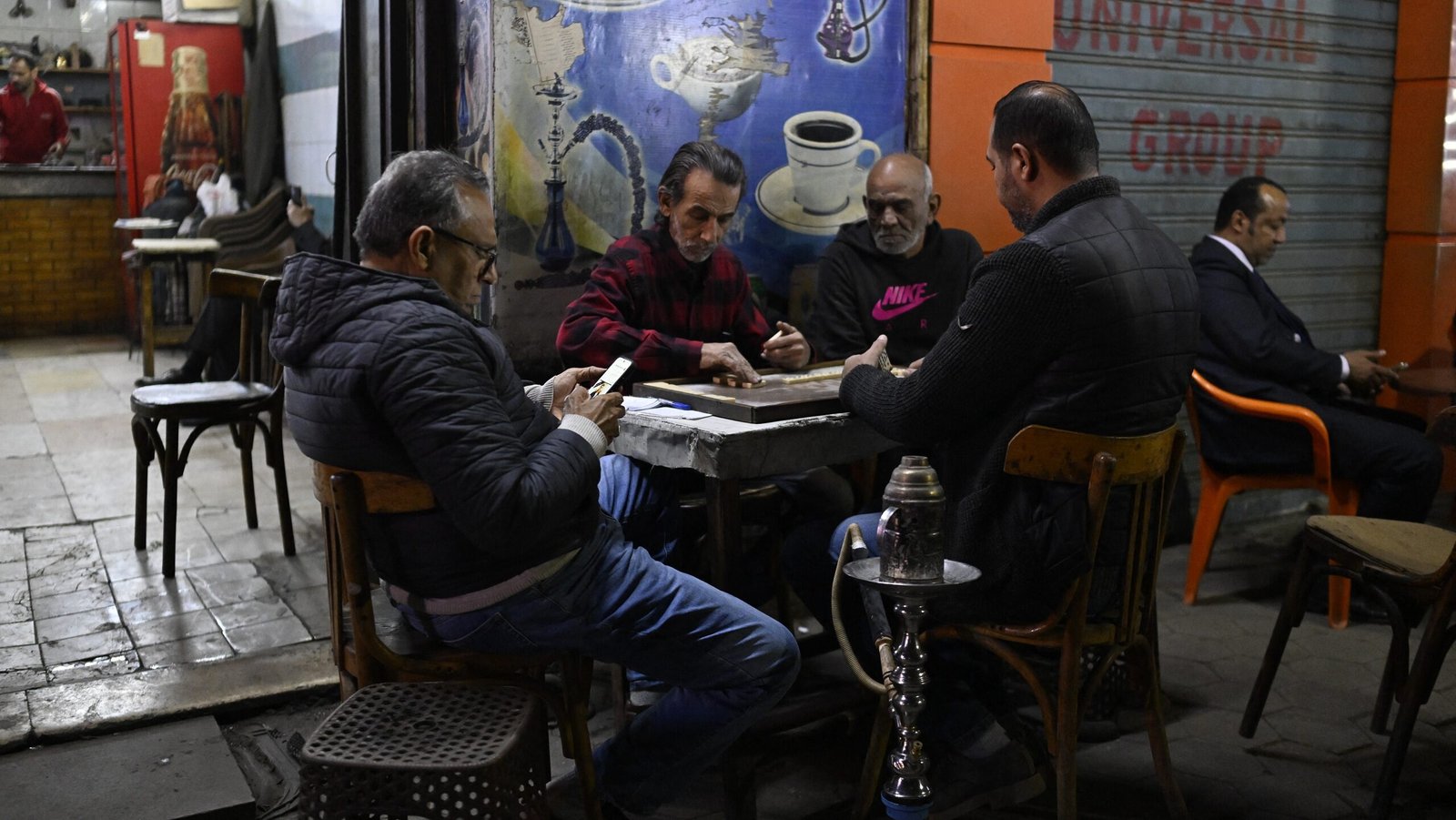
The restrictions also mark a cultural jolt. Cairo is a city that famously comes alive after dark, with shopping, dining, and social life stretching late into the night. State media said Thursday and Friday closing times will extend to 10 p.m., and delivery services will continue around the clock, but the government is plainly asking Egyptians to trade a chunk of their nightlife for fuel savings.
President Abdel Fattah el-Sisi’s government is betting that temporary austerity is less dangerous than letting energy costs spiral further. Whether one month of earlier shutters will be enough is another question entirely.