Driving after a DUI conviction can be a dicey experience. Many states require drivers, if they want to keep using their cars, to install ignition interlock devices that measure alcohol levels before allowing the vehicle to start.
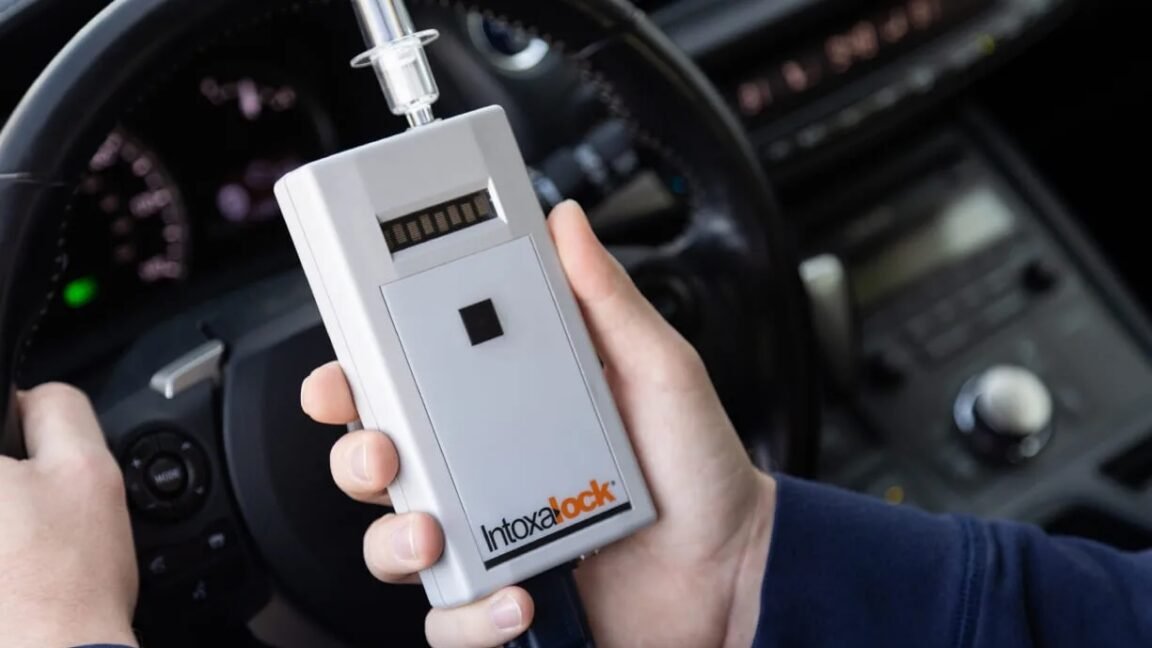
One of the most common is from Des Moines, Iowa-based Intoxalock, which takes the form of a small box with a plastic tube into which the driver blows. The box then measures the level of alcohol in the breath. You must be below your state’s legal limit to start the vehicle. (In some states, the system will also log your location using GPS and/or take a photo of you every time you blow in the tube.)
The interlock device can only be leased, and it costs around $70–$120 per month.
Even if you are allowed to start a vehicle after this test, you aren’t done with the interlock. The device generates “random retests” during your drive, and you had better not miss one. Intoxalock recommends that you “keep your radio volume low and windows up” to hear its device beep.
Once the beep goes off, you have 3–15 minutes to clear the test again, giving you enough time to pull over and blow again. If you ignore or fail the random retest, your car won’t stop, but “your horn and lights may activate, signaling you to pull over and turn off the car,” says Intoxalock. And “depending on your state’s regulations, you may enter a temporary lockout.”
On top of this process, Intoxalock users need to have the devices calibrated about once a month at a local service center. If you miss your calibration window, the device also locks you out.
But what happens if the databases and backend systems supporting this whole scheme are unavailable? Intoxalock users found out over the last ten days, as a cyberattack (nature unspecified) hit Intoxalock systems on March 14.
The attack made calibrations impossible, which meant that some users in each state weren’t able to calibrate on time and were in danger of having their vehicles locked. (The company told a Connecticut media outlet that 7–10 percent of users in that state had been affected.)
On March 18, Intoxalock published a status page on its website saying that it had authorized local service centers to grant 10-day calibration extensions. (These do not apparently work on every version of the company’s interlocks, and they do not apply to several states.) In addition, Intoxalock said that it would pay all user costs, including tow fees, “that are a direct result of the temporary system pause.”
On March 20, the company’s systems were still down. “At this time, we need to extend this pause through Sunday, March 22,” Intoxalock said.
On March 22, the company finally announced that “our systems have resumed” and that installations and calibrations were both possible again.
On Reddit’s r/intoxalock, angry users are commiserating and trying to organize class-action lawsuits.