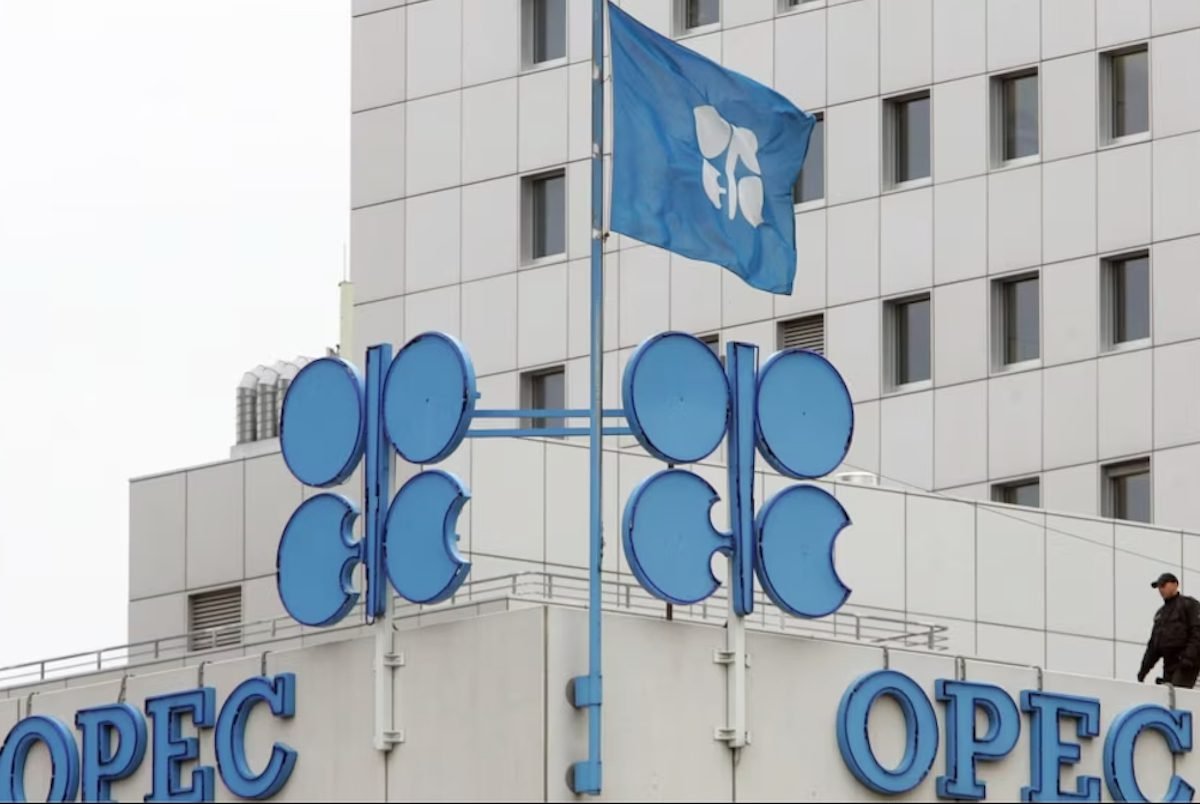
The reported decision by the United Arab Emirates to leave OPEC and OPEC+ is more than a dispute over oil production. It is a sign that the old architecture of oil power is being reshaped by national strategy, Gulf competition and Asian energy vulnerability.
For years, OPEC+ worked because markets believed its key members could coordinate supply and manage expectations. Saudi Arabia remained the de facto leader, Russia added geopolitical weight, and Gulf producers generally acted within a shared framework. That framework is now under visible strain.
The UAE has long sought greater flexibility in production policy. It has invested heavily in upstream capacity and sees itself not merely as a quota-bound oil producer, but as a global energy, logistics, aviation, finance and technology hub. Remaining constrained by collective production discipline no longer fully matches its national development strategy.
This is where the deeper story lies. Gulf states are no longer moving in a single strategic direction. Saudi Arabia, the UAE and Qatar all seek economic diversification, but their methods and interests differ. They compete in finance, ports, airlines, industrial zones, technology, tourism and clean energy. Oil policy is now part of this broader competition.
The UAE’s move also weakens the perception of OPEC+ unity at a sensitive time. Middle East security risks remain high. Maritime routes are vulnerable. The Strait of Hormuz, the Red Sea and the Suez Canal are no longer abstract geopolitical terms; they are direct pressure points in global energy and trade.
For Asia, the consequences are significant. The region imports large volumes of energy from the Middle East and depends on maritime corridors that pass through politically exposed waters. If OPEC+ becomes less cohesive, Asian importers will face a more uncertain mix of price volatility, route risk and supplier competition.
This does not necessarily mean oil prices will collapse. A less disciplined producer group may increase supply pressure, but geopolitical risk can create price spikes at the same time. The market could see both bearish supply signals and bullish security premiums. That combination is particularly difficult for policymakers and companies to manage.
The broader implication is that energy security can no longer be reduced to the question of how much oil is available. It now includes shipping insurance, port access, strategic storage, currency risk, financing, power infrastructure, refining capacity and the transition to alternative energy.
China, India, Japan, South Korea and Southeast Asian economies will all need to adapt. They cannot assume that producer coordination will provide a stable background. They need more diversified procurement, stronger reserves, alternative routes, renewable deployment, gas flexibility and deeper engagement with Gulf states as strategic partners rather than simple commodity suppliers.
The United States may see some benefit in a weaker OPEC+ system, especially if it reduces producers’ ability to sustain high prices. But Washington also has reason to worry. If Gulf coordination weakens while regional security deteriorates, the burden of stabilizing maritime routes and reassuring allies could grow.
China faces a different challenge. As a major energy importer and the world’s largest trading nation, it must manage both supply security and diplomatic balance. Beijing has deep energy ties with Gulf producers, but it also relies on stable sea lanes and predictable prices. A more fragmented oil order increases the need for active energy diplomacy.
The UAE’s exit does not mean OPEC is finished. Saudi Arabia remains a powerful producer, and OPEC+ still includes major oil exporters. But the psychological effect is important. Once a major Gulf state chooses autonomy over discipline, other producers will reassess their own interests.
The oil order that emerged from the 20th century was built around a small group of producers, a few maritime chokepoints and a relatively clear hierarchy of influence. The emerging order is different. It is multipolar, infrastructure-heavy and more exposed to geopolitical shocks.
In that order, oil is still power. But the power no longer lies only in production. It lies in the ability to connect production with shipping, finance, technology, storage, refining, renewables and strategic diplomacy.
The UAE’s decision is not the end of OPEC+. It is a crack in the old oil order — and a signal that Asia must prepare for a world in which energy security is more contested, more regional and more strategic than before.
Wang Zhihong, writing under the name Charles Wang, is an overseas infrastructure and energy practitioner with long-term experience in South Asia, Southeast Asia and the Indian Ocean region. His work focuses on international engineering, power infrastructure, emerging markets, energy transition and geopolitical risk.