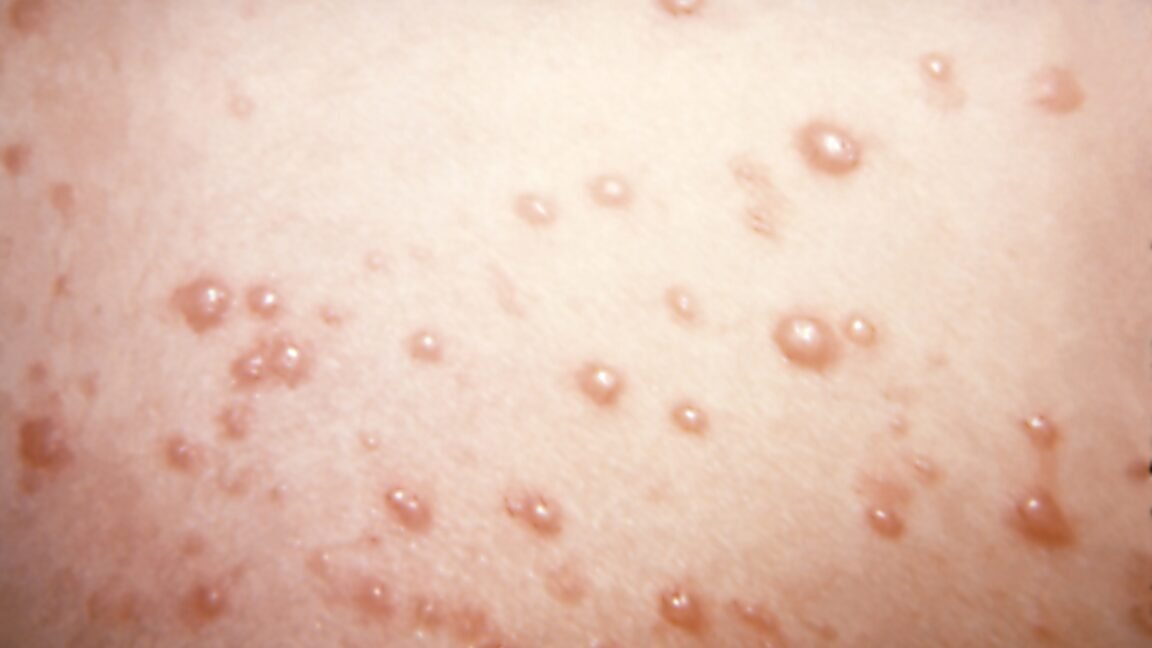
Those who suffered through chickenpox as kids likely remember the agony of its itchy rash. Oven mitts or snow gloves may have been used to prevent you from inadvertently clawing your skin off, while dips in oatmeal may have offered some temporary relief. But in the end, you just had to endure the full cycle of the rash—from the breakout of the first raised, itchy papules that inflate into fluid-filled blisters that then break and leak, to the scabs that form over the crusty remains. More papules emerge as blisters burst, prolonging the torment.
For one 15-year-old in Nepal, the misery continued long after the blisters burst. After some of her crusty scabs began to form scars, they mushroomed into large, uncontrolled skin growths, which were also painful and itchy—and permanent. One on her chest, the largest, measured 4 by 4 cm (about 1.6 by 1.6 inches).
These rubbery, firm nodules are called keloids, which are poorly understood skin growths that result from wound healing that goes awry and expands beyond the borders of the original wound. In the teen’s case, five large keloids abruptly burst from her chickenpox scars, breaking out in different places on her body—on her right jaw, chest, abdomen, and right flank. The simultaneous emergence of the growths aligns with the diagnosis of “eruptive keloids,” an ultra-rare outcome of a chickenpox infection. Only five such cases appear to exist in the scientific literature. Her case, marking the sixth, was published this week in the journal Clinical Case Reports.
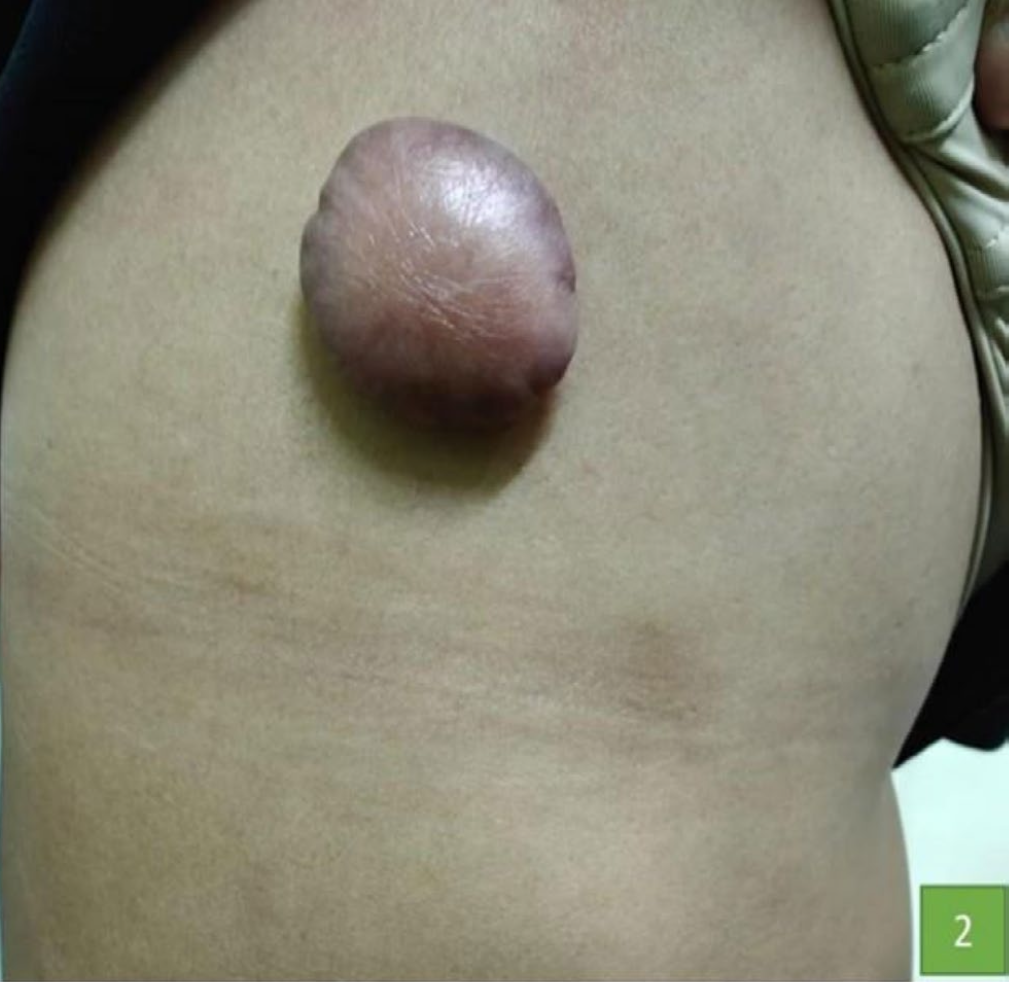
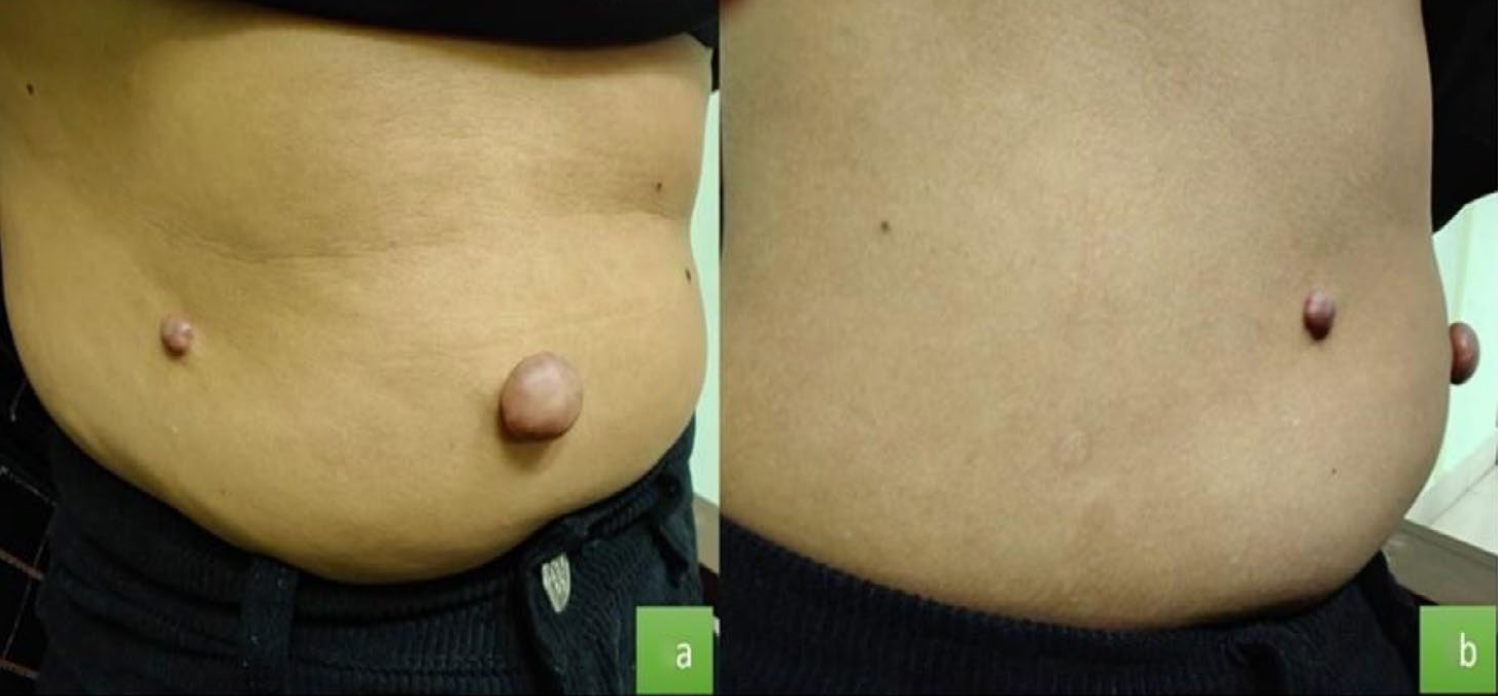
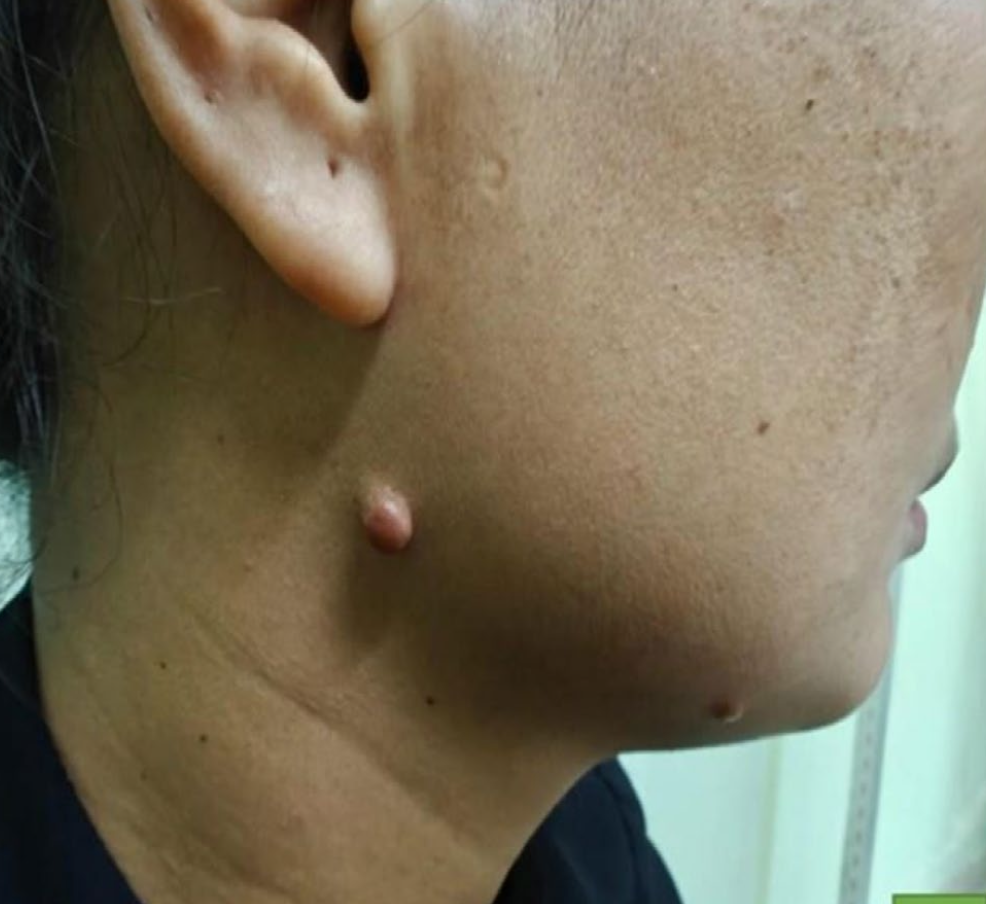
Her doctors noted that the teen was otherwise healthy after recovering from the chickenpox several weeks prior. She had been seen at a clinic for the infection, where her chickenpox (varicella) case was confirmed, and she was treated with the anti-viral medication acyclovir. It’s unclear why keloids erupted in the teen—or why they form in any patient. But it’s clear something was going wrong in her healing rashes.
Unwieldy wounds
Healing from wounds has three main phases. The first is an inflammatory phase that prevents or limits further damage. There’s a proliferative phase during which new tissue is formed. Among the many things that occur in this phase, specialized cells called fibroblasts produce collagen that helps create structural suppors for new tissue. This proliferative phase isn’t discreet; it can go on in the background throughout the healing process. Last, there’s a maturation phase when the new tissue settles into its final form and gains maximum strength.
When keloids form, it means something went wrong in the proliferative phase of healing. Specifically, the fibroblasts of keloids are thought to be more active, survive longer, and produce more collagen and more signaling molecules that promote growth. Collagen production in keloids can be 20 times larger than in typical skin.
It’s unclear what triggers this uncontrolled tissue growth, but genetics and environmental factors are thought to play a role. Keloids are seen more often in people with darker skin. In the teen’s case, her doctors note that varicella infections are known to trigger certain pro-inflammatory cellular signals and speculate that they could potentially induce a hyperproliferative state. But, for now, it’s just a hypothesis.
Treatment for keloids is, unfortunately, difficult. When the problem is faulty wound healing, any treatment that creates new wounds risks failing or worsening the problem. Surgical removal, for instance, has recurrence rates between 45 percent to 100 percent. Cryotherapy can sometimes be used to kill off scar tissue, but it can also leave undesirable skin alterations. Laser and radiotherapy have been used, but with clear risks and sometimes limited results. Successful treatment often requires a combination of methods. The mainstay treatment, however, is injections with corticosteroids, which help with the itching and burning.
In the teen’s case, doctors monitored her keloids for three months and found they were relatively stable, with no rapid growth—though they could potentially continue to grow over time. Given preferences and financial limitations, she decided to forgo aggressive treatment and live with the growths, managing symptoms with antihistamines and over-the-counter painkiller acetaminophen.
While keloids remain a menace, chickenpox has an effective prevention. The varicella vaccine was released in the US in 1995, and two doses offer 97 percent protection. Since its debut, chickenpox cases—and complications—have declined dramatically.