Giorgia Valente’s article argues that the Iran war is no longer just a military contest. It has become a stress test for the Western alliance, exposing fractures between Washington and Europe, straining Italy’s ties with Israel, dragging the Vatican into an ugly political clash, and giving Israeli Prime Minister Benjamin Netanyahu an opening to cast Europe’s hesitation as something darker than policy caution. Valente shows that these disputes are piling up all at once, turning a regional war into a broader crisis of strategy, legitimacy, and identity.
One of the clearest examples is Italy. After Israeli fire hit an Italian UNIFIL vehicle in Lebanon, Prime Minister Giorgia Meloni moved from guarded positioning to open criticism, and Foreign Minister Antonio Tajani followed with harsh language of his own. Rome’s decision not to automatically renew a defense cooperation memorandum with Israel may have little immediate military effect, but the article makes plain that its symbolic value is the point. It signals that Italy is repositioning under pressure from events in Lebanon and from public opinion at home, where support for Israel has eroded sharply.
Valente then widens the frame. Europe’s instinct is still diplomatic, shaped by habit, economic interest, and the hard fact that few European governments want a war with Iran. Washington sees that restraint less as prudence than as freeloading. The Trump administration’s complaints about NATO and burden-sharing show how quickly the old alliance language can turn into a family brawl with nuclear stakes.
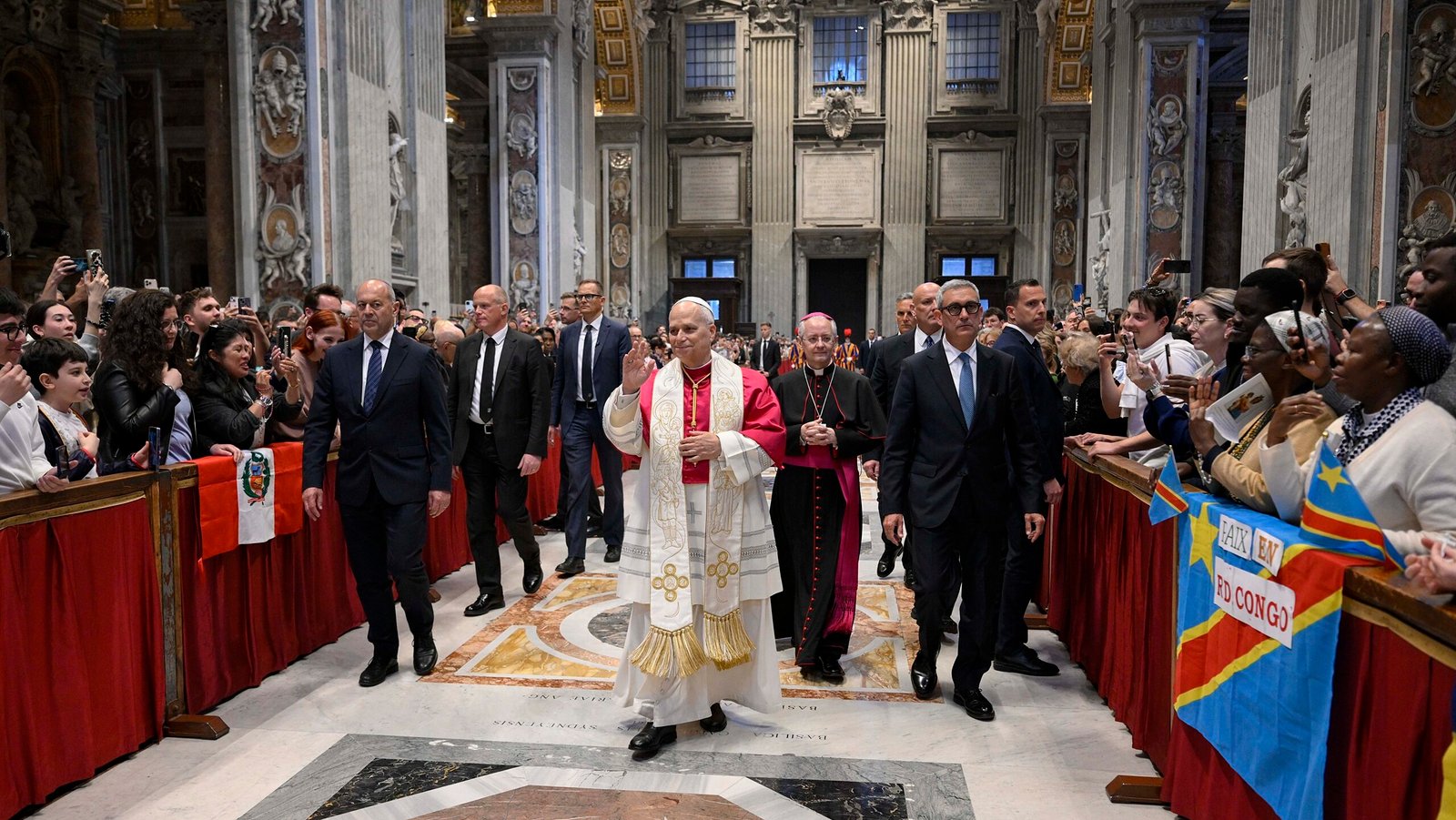
The sharpest rupture comes in the triangle involving President Donald Trump, Meloni, and Pope Leo XIV. President Trump attacked both Meloni and the pope in unusually direct terms, Vice President JD Vance piled on, and Meloni responded by declaring that Italy would remain a US partner, not a “subject.” That matters because she had long been treated as President Trump’s closest ideological ally in Europe. Netanyahu, for his part, used Holocaust Remembrance Day to frame Europe’s stance as moral weakness, not mere disagreement.
Near the end, Valente makes the larger point: the Iran war did not create these divisions. It exposed them. Read the article for the full diplomatic chain reaction, because this is about more than one war. It is about whether the West still agrees on what it is defending, and why.