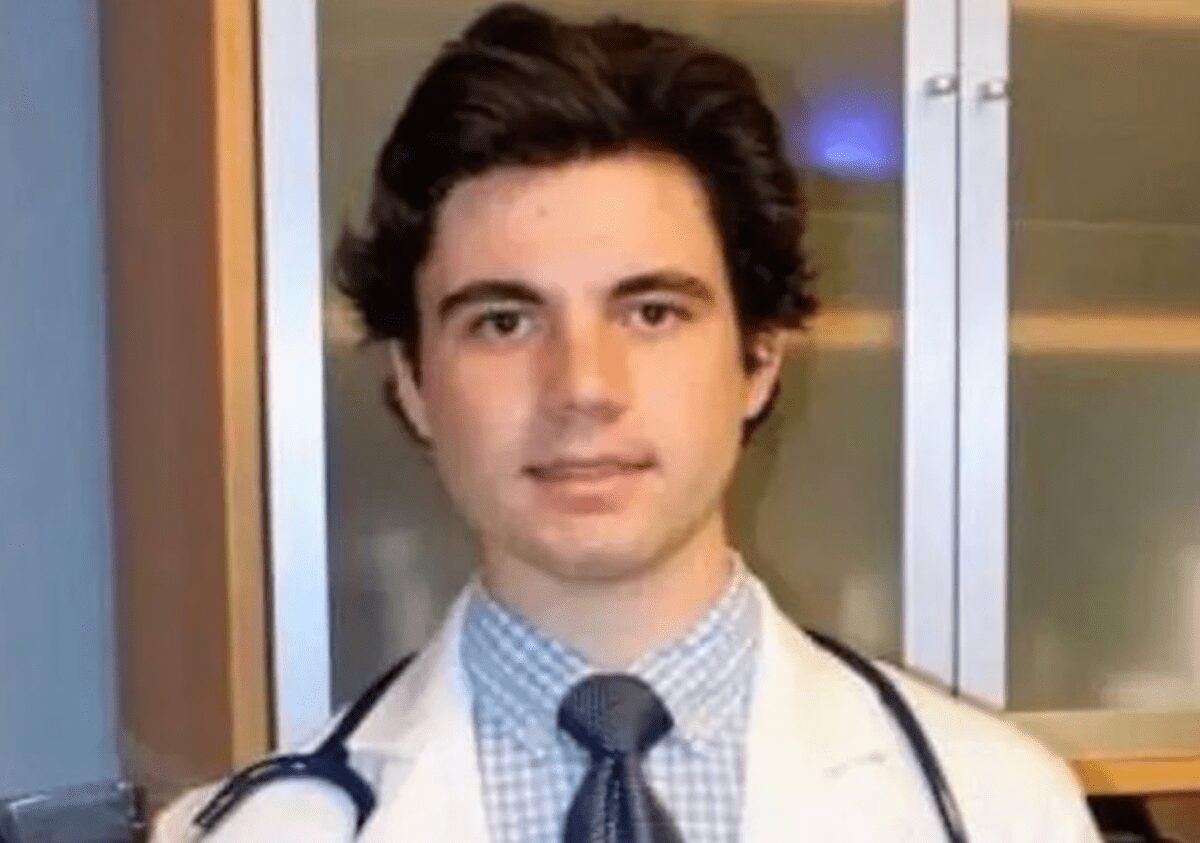
A 26-year-old dental student is dead — and now his family is raising explosive questions about the care he received inside what they’re calling a “fake ICU.”
The family of Conor James Hylton has filed a wrongful death lawsuit against Yale New Haven Health–Bridgeport Hospital, alleging the young man died in an intensive care unit that had no on-site doctors — only remote physicians watching through video screens.
According to the complaint, Hylton was admitted to the hospital’s Milford Campus on August 14, 2024, after arriving with severe abdominal pain and vomiting. He was diagnosed with pancreatitis, dehydration, metabolic acidosis, and alcohol withdrawal — a serious combination that required close monitoring.
But here’s where the case takes a chilling turn.
The lawsuit claims the ICU was operating as a “tele-ICU,” meaning no ICU specialists were physically present. Instead, doctors were allegedly stationed off-site, monitoring critically ill patients through cameras and screens.
Hours after being admitted, Hylton’s condition reportedly spiraled.
Around 4:30 a.m., the lawsuit says he slid down in his bed, his eyes rolled back, and he became unresponsive. He began showing seizure-like symptoms, vomited, and his heart rate dropped dangerously low. A code was called.
He was intubated — but it was too late.
Hylton was pronounced dead.
The most shocking allegation? The family claims the official pronouncement didn’t come from a doctor standing at his bedside — but from a telehealth provider appearing on a video screen.
Even more disturbing, the lawsuit alleges that when an on-site doctor was finally called in to help, that physician didn’t even know how to find the ICU — causing critical delays in care.
An expert opinion included in the filing claims no doctor physically assessed Hylton during his time in the ICU — not until after he had already gone into distress.
His family says they were never told the unit lacked in-person doctors.
“If they had known,” said attorney Joel T. Faxon, “they would have demanded he be transferred immediately to a facility capable of providing proper care.”
In a statement, Yale New Haven Health acknowledged the lawsuit but declined to comment on the allegations, citing ongoing litigation.
The case is now fueling broader concerns about the rise of telehealth in critical care settings — and whether remote monitoring can truly replace doctors at the bedside when seconds matter.
For Hylton’s family, the question is far more personal — and far more painful.
They believe their son didn’t just die.
They believe he was left alone when he needed help the most.