In a vivid dispatch from a region being squeezed by war without always being on the battlefield, reporters Gilgamesh Nabeel and Jacob Wirtschafter trace how the conflict around the Strait of Hormuz is hammering Arab economies, with Iraq emerging as one of the clearest examples of a country already worn down by years of instability. Bahrain’s Foreign Minister Abdullatif Al Zayani warned the UN Security Council that Iran’s threats to shipping are no longer a regional nuisance but a global danger, one that could drive millions deeper into hunger and poverty.
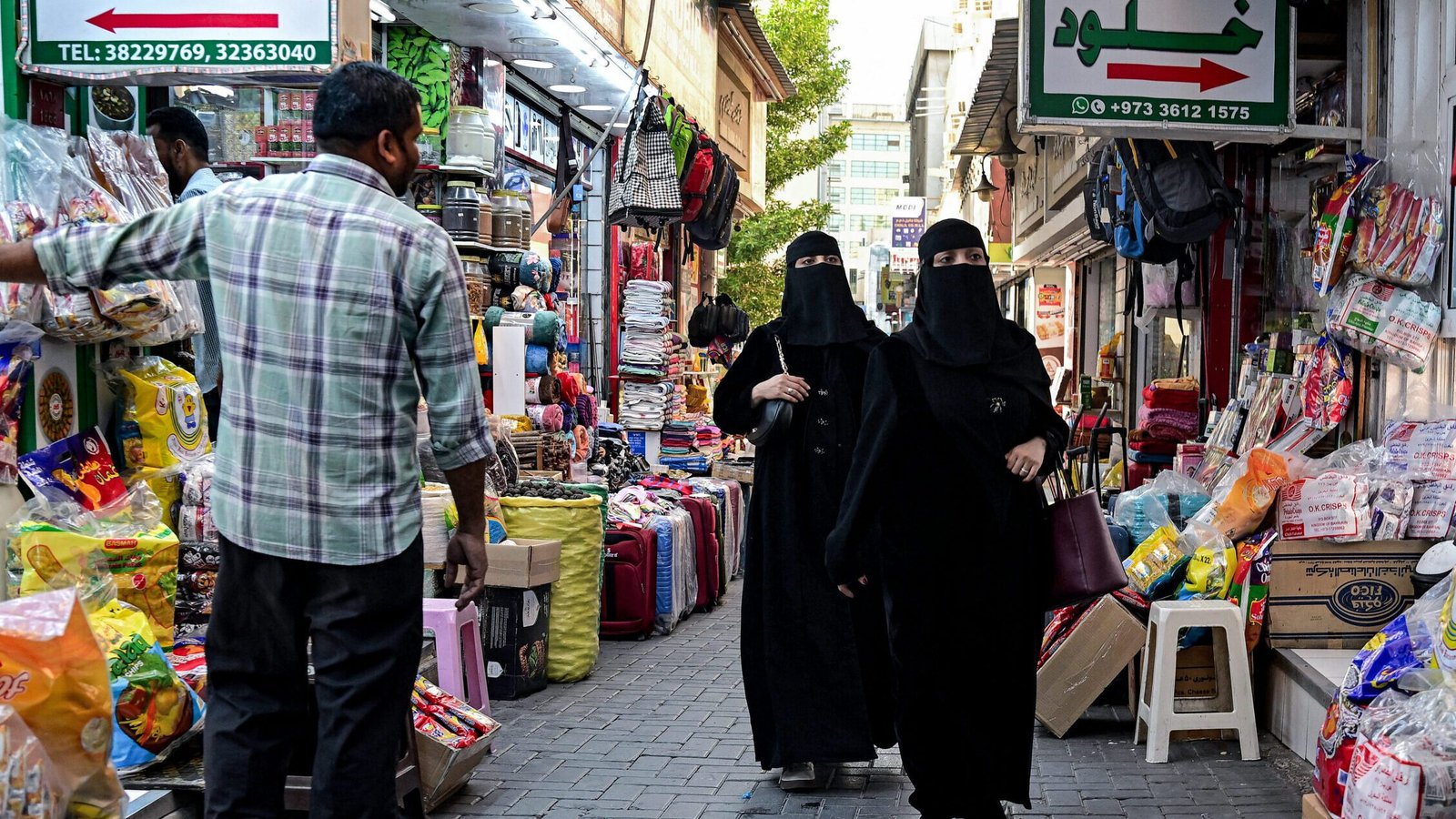
The article grounds those warnings in kitchen-table reality. In Iraq, a law student in Najaf watches staples like tomatoes, eggplant, eggs, and cooking gas jump sharply in price while salaries arrive weeks late and electricity remains unreliable. He tells The Media Line that the crisis feels worse than anything since 2003. Iraq’s dependence on Iranian imports, its reliance on oil for state spending, and the collapse of export corridors have all combined to turn regional escalation into a daily assault on household survival.
Mosul, Baghdad, and other Iraqi cities tell the same story in different accents. A teacher describes chronically delayed paychecks. A shop owner says recession follows when salaries are late. A tour guide has watched spring bookings vanish as flights are canceled. A Baghdad entrepreneur says business projects across multiple countries are frozen while costs keep rising. The point is brutal and simple: even where bombs are not falling, war still wrecks routines, budgets, and plans.
The damage is spreading beyond Iraq. Jordan has raised fuel prices and is struggling with higher electricity costs after a halt in Israeli gas supplies. Syria entered the crisis from a deeply fragile position, already dealing with a new currency and a tiny state budget. Lebanon’s small and medium businesses are buckling. Even Israel has cut its 2026 growth forecast.
Yet the article also warns against easy optimism about any post-Iran future. As Nabeel and Wirtschafter report, some analysts fear that Islamic Revolutionary Guard Corps-linked networks could shift into Iraq before investment does, filling the vacuum long before stability arrives. Read the full article for the human detail behind the statistics and the hard truth about what prolonged regional disruption does to ordinary lives.