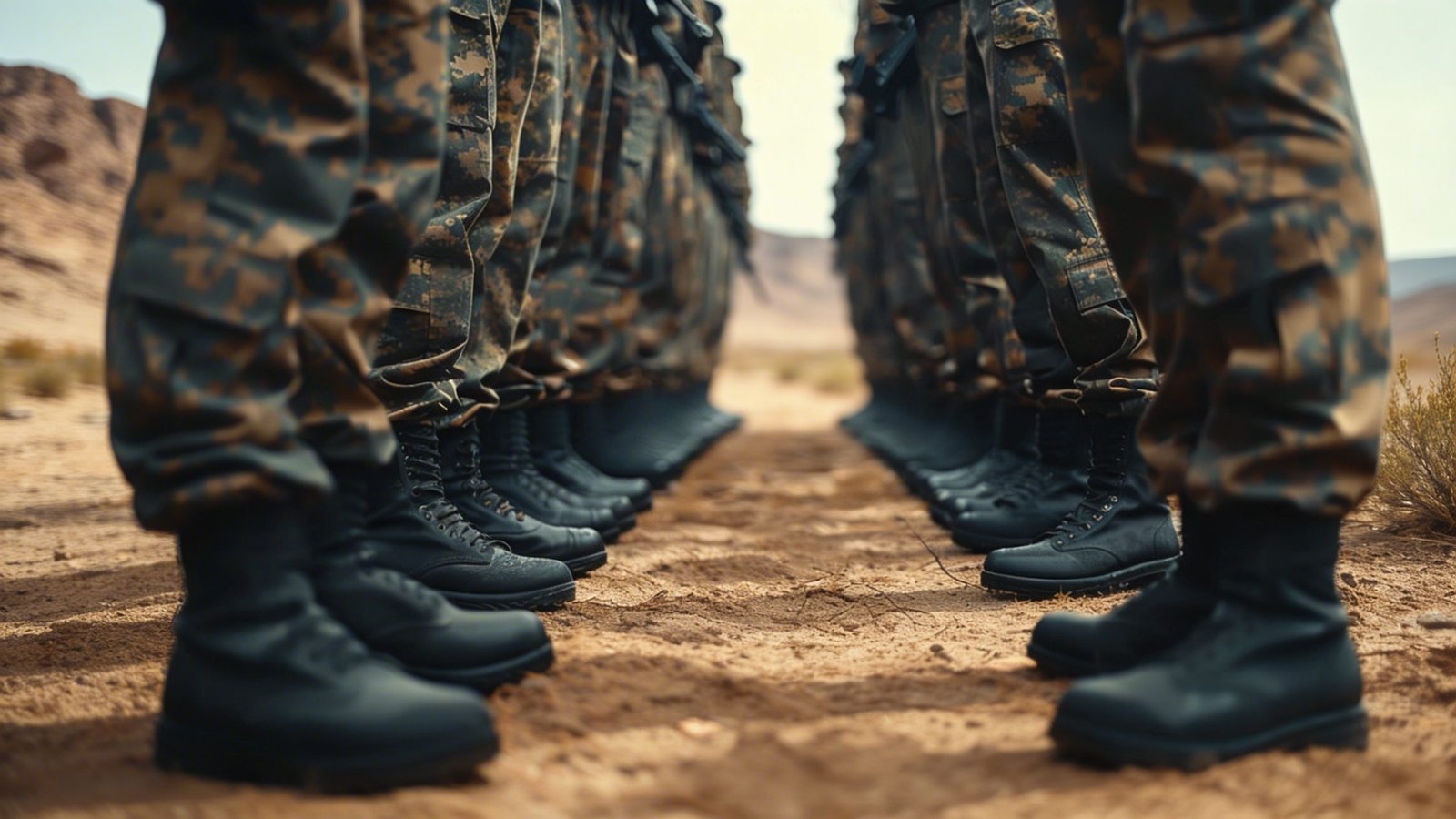
As talk shifts from airstrikes to the possibility of US boots on the ground in Iran, governments across the Middle East are quietly recalculating what comes next—and why even a limited operation could ripple far beyond the battlefield.
In Beyond Airstrikes: What US Boots on the Ground in Iran Could Mean for the Middle East, The Media Line’s Giorgia Valente breaks down the regional stakes country by country, showing how different capitals are looking at the same scenario and seeing very different risks. The through-line is simple: even a short, targeted US ground move could trigger consequences difficult to contain.
In Egypt, the concern is economic before anything else. A wider conflict could hit the Suez Canal—one of Cairo’s main lifelines—while driving up energy costs and inflation at a moment when the country is already under financial strain. A former Egyptian general lays out how quickly that pressure could build at home.
Saudi Arabia’s focus is more direct. The article outlines fears that a visible US presence inside Iran could shift Tehran’s response toward Gulf infrastructure, putting oil facilities, shipping routes, and internal stability at risk. A Saudi analyst describes a strategy built less on alignment and more on avoiding being pulled into something bigger.
Turkey, meanwhile, is portrayed as trying to keep its distance without fully being able to step away. Domestic opposition to escalation, along with the complications of NATO ties and regional trade realities that make full neutrality difficult.
Iraq’s section carries a different tone, shaped by memory. The legacy of 2003 still shapes public and political thinking, with concerns that any escalation could quickly spill across borders and reignite internal instability.
Throughout, the reporting keeps the focus on what changes the moment US forces become visible on Iranian soil. It’s not merely a question of invasion, but of thresholds—and what happens once one is crossed.