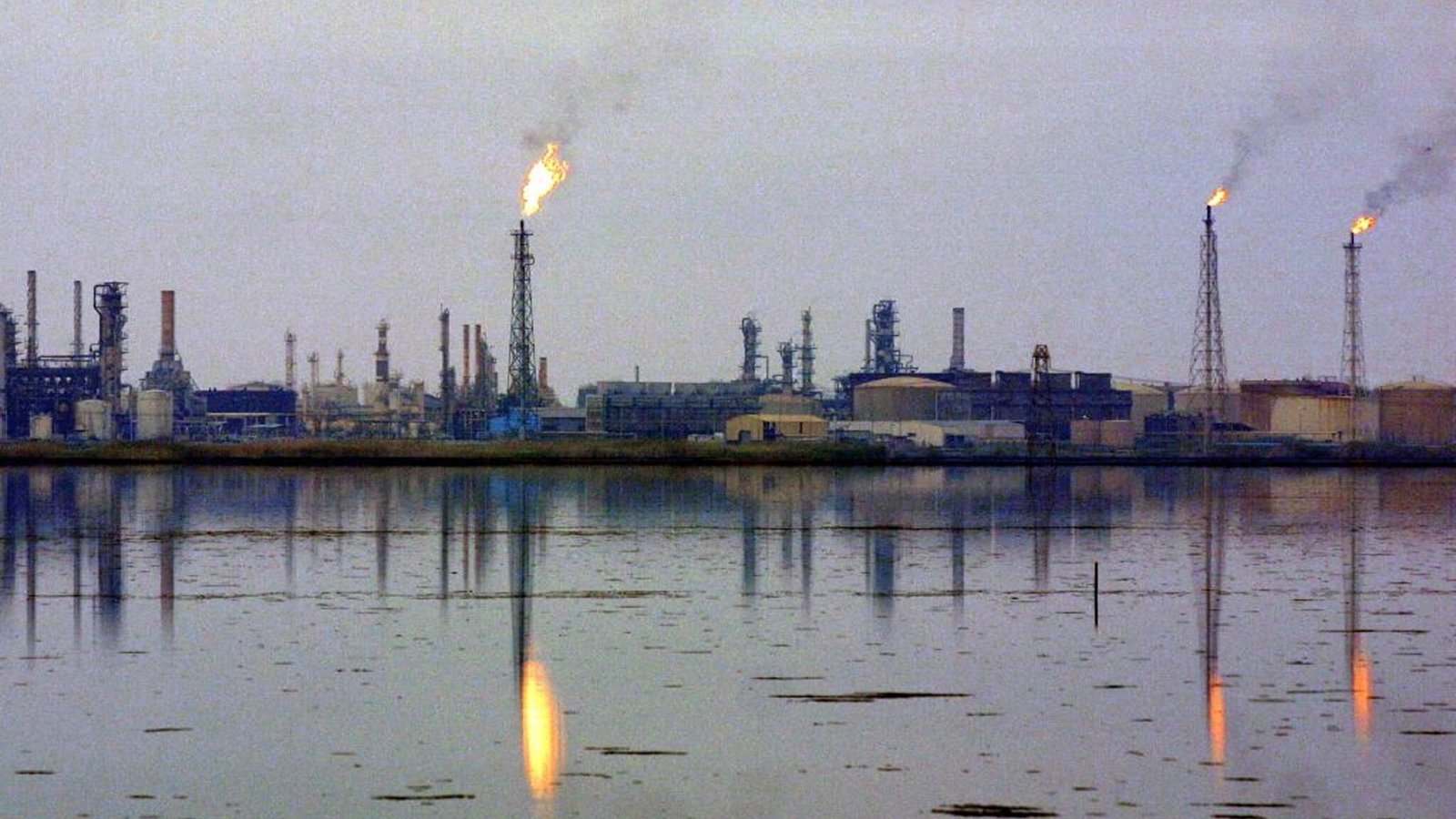
Iraq has announced the start of oil exports through Syrian territory following the disruption of traditional supply routes during the closure of the Strait of Hormuz.
The Iraqi Ministry of Oil confirmed that export operations have already begun, using overland tankers to transport what is known as “black oil” (fuel oil) to Syria, where it will later be shipped through Syrian ports to global markets. This step will support the national economy and partially offset the sharp decline in revenue over the past few weeks.
Data indicates that Iraq, which relies heavily on oil exports as a primary source of income, has suffered a significant blow following the disruption of navigation in the Strait of Hormuz, with oil revenues dropping by around 70% in just one month.
This sharp decline has pushed the government to seek rapid solutions, even if they are costly and complex, such as overland transport via Syria, which has not been used for decades.
In the initial phase, export volumes will range from 10,000 to 15,000 barrels per day, with plans for a gradual increase subject to logistics and coordination between Baghdad and Damascus.
According to reports. Contracts have been signed to export up to 50,000 barrels per day in the future, reflecting ambitions to expand this new route.
This development also marks Syria’s return to the regional energy map, as it will serve as a transit country for Iraqi oil heading toward the Mediterranean.
Shipments arrive at Syria’s Baniyas port, where they are reloaded and shipped by sea to their final destinations, particularly European markets.
The agreement between the two countries will revive old routes, most notably the Kirkuk–Baniyas pipeline, which was once one of the main arteries for Iraqi oil exports before being halted for many years due to conflicts and wars.
Despite the significance of this step, experts emphasize that overland transport remains a costly option compared with maritime shipping via the Gulf. However, current conditions have made it the most realistic option, given the constraints imposed on traditional routes.
This move highlights the disadvantage of relying on a single export route, particularly in regions prone to recurring geopolitical tensions, demonstrating the need to diversify export channels as a strategic priority.
The Iraqi decision is not limited to economic considerations but also carries political implications, reflecting the growing rapprochement between Baghdad and Damascus in the energy sector and strengthening Syria’s position as a regional player in oil trade.
Redirecting exports toward the Mediterranean may also grant Iraq greater flexibility in accessing European markets and reduce dependence on Gulf shipping routes, which have become increasingly vulnerable to risks.
A key question remains: Does this route represent a permanent shift in Iraq’s oil strategy, or merely a temporary solution to the current crisis?
Indicators suggest it is a transitional measure, but it could evolve into a long-term strategic option if infrastructure and pipelines are developed to reduce costs and improve efficiency.
This step reflects a new reality in the regional energy market, where traditional export routes are no longer guaranteed, and diversification has become a necessity rather than a choice.