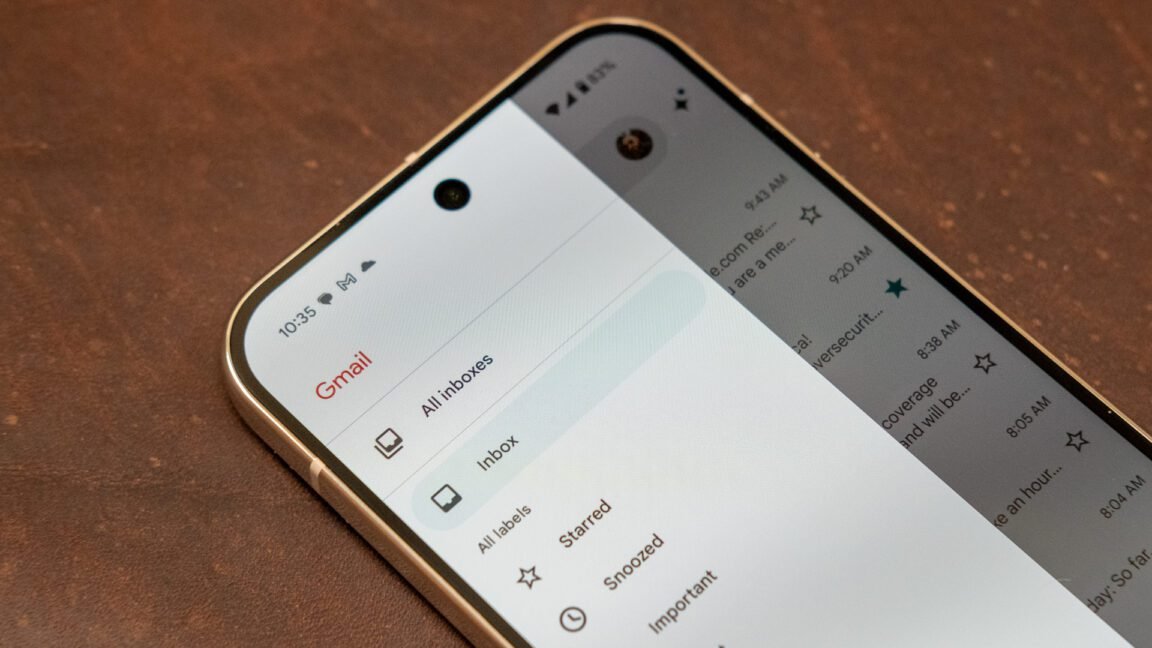
Someone is celebrating a birthday tomorrow—it’s Gmail. The iconic email service debuted 22 years ago on April 1, forever altering what people expected from free email. But 22 years is a long time, and the username you chose when you finally got your hands on an invite in 2004 may not have stood the test of time. Starting today, Google will let US-based users ditch an old username without creating a new account.
Google started testing this option some months ago, both in the US and internationally. Today, the name change feature is rolling out widely in the US. You can check for the option on this account page to get started (you’ll have to log in). Some of the accounts we’ve checked already have the option, but it could take a while for it to appear for everyone.
Over the years, many users have abandoned old Gmail addresses because the handle is too personal or their names have changed. Now, you don’t have to abandon anything. When the option appears, you’ll be able to change the username portion of your email (the part before @gmail) to anything you desire. However, Google says you can only change your address once every 12 months. The company hasn’t explained why you’re limited to one change per year, but it may be a measure to combat spam.
The email and other data in your account remain untouched when you migrate to a new username, and you will continue to receive mail destined for your original address. You can also log in to your account using either username. Some Google products and third-party services that access Google data will continue to display your original email, but the new username becomes your primary Google account identifier. If you don’t want to see that old handle anywhere, the only option is still to create a totally new account.
Google also notes that the old username remains attached to your account as an alternate, and you can switch back to it at any time. It’s unclear if this is a one-time process or if you can switch back and forth at will. Likewise, Google has not explained what happens if you end up with multiple alternate addresses over time. Google says you can’t delete your new addresses, so it’s possible you could have a whole gaggle of Gmail aliases.
While the process should be smooth for most users, the complexity of Google’s account ecosystem means there are some caveats. If you use a Chromebook, for example, changing your username requires you to log out and back in to the machine. Google also recommends backing up your local files first. Chrome Remote Desktop connections will stop working, too, forcing you to delete connected machines and add them again under your new address. Most other issues should be short-lived and will clear up after a few hours or a device restart.