For as long as we’ve known that soil bacteria manufacture molecular weapons to fight each other, we’ve been swiping their battle plans. In clinics and hospitals, those turf-war weapons have become miraculous drugs of modern medicine—antibiotics—that blow away otherwise deadly infections.
But, of course, there’s a dark side of mimicking microbial munitions—bacteria have defenses, too, namely antibiotic resistance. You’re probably aware that we’re facing a rising threat of drug resistance among disease-causing bacteria, one that is rendering much of our stolen weaponry obsolete and making infections harder to defeat.
Often, this growing crisis is framed as a clinical failure: We’re overusing and misusing antibiotics, hastening our bacterial foes’ natural ability to develop and spread resistance. While this is certainly true, a new study in Nature Microbiology this week identifies a potentially new driver of rising antibiotic resistance—and we’re at least partly to blame for this one, too.
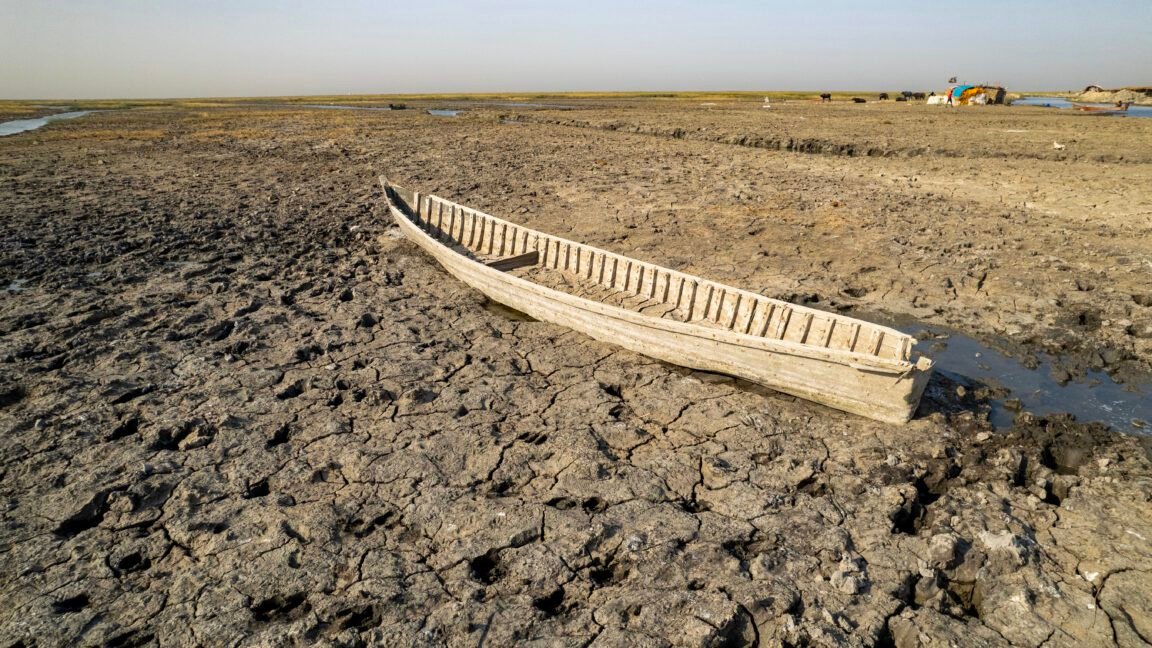
A series of experiments by researchers at the California Institute of Technology found that dry soil—drought conditions—consistently select for and enrich antibiotic resistance in soil bacterial communities. More concerningly, the researchers found that pro-resistance conditions in soil link to higher frequencies of antibiotic-resistant infections in hospitals around the world. And with human-driven climate change, drought conditions are expected to increase. Assuming the link is real, projections indicate that drought-threatened regions across the globe will face heightened emergence of antibiotic resistance.
While the authors acknowledge that more research is needed to confirm the connections, “our study offers a clear example of how climate change has the potential to intersect with microbial ecology to shape public health outcomes,” they conclude.
The underlying mechanism hypothesized to explain this connection is a fairly simple one: as soil dries, natural antibiotics produced by soil microbes reach higher concentrations in the remaining pockets of moisture. Those higher concentrations, in turn, select for bacteria that can resist the antibiotics.
Soil to clinic
They found evidence of this in a set of experiments, first finding that the relative abundance of antibiotic and antibiotic-resistant genes increased under drought conditions in soils from five distinct geographic regions. They also dried out soil samples spiked with an antibiotic, finding that the concentration of the antibiotic increased within lingering soil moisture. Further, non-resistant bacteria died off in the drought conditions, while resistant bacteria were unscathed.
They next turned their attention to the bigger picture. Bacteria are known to be good at sharing genetic material, even across distantly related species. This is particularly true for antibiotic resistance genes. The researchers note that not only are soil bacteria and clinical pathogens known to share the same resistance genes, there are examples of the genetic sequence of those genes being 100 percent identical across the strains found in soils and hospitals. The genetic flow between the environmental microbes and clinical pathogens is thought to occur through a variety of pathways, including through agriculture, recreation, and simple dust inhalation.
The researchers collected data on antibiotic-resistant infections in over 100 hospitals across the world and looked at the soil conditions in the areas around those hospitals. They found a strong correlation between increased frequency of resistant clinical isolates and drought conditions. The association held up when researchers accounted for economic factors.
In an accompanying commentary piece, microbial ecologist Timothy Ghaly of Macquarie University in Australia argues that the study reframes how we think about the “soil-to-clinic axis.” Instead of a one-way extraction of natural antibiotics from soil, Ghaly writes, “The authors now expand it to describe an ecological pathway through which climate-driven selection pressures in soils actively promote and disseminate antibiotic resistance into hospitals.”
In all, the findings offer a warning that we may need a broader approach to combating the rise of antibiotic resistance. “Effective strategies must recognize that antibiotic stewardship in hospitals, while crucial, may not be enough if we neglect stewardship of the planet’s changing climate,” he concluded.