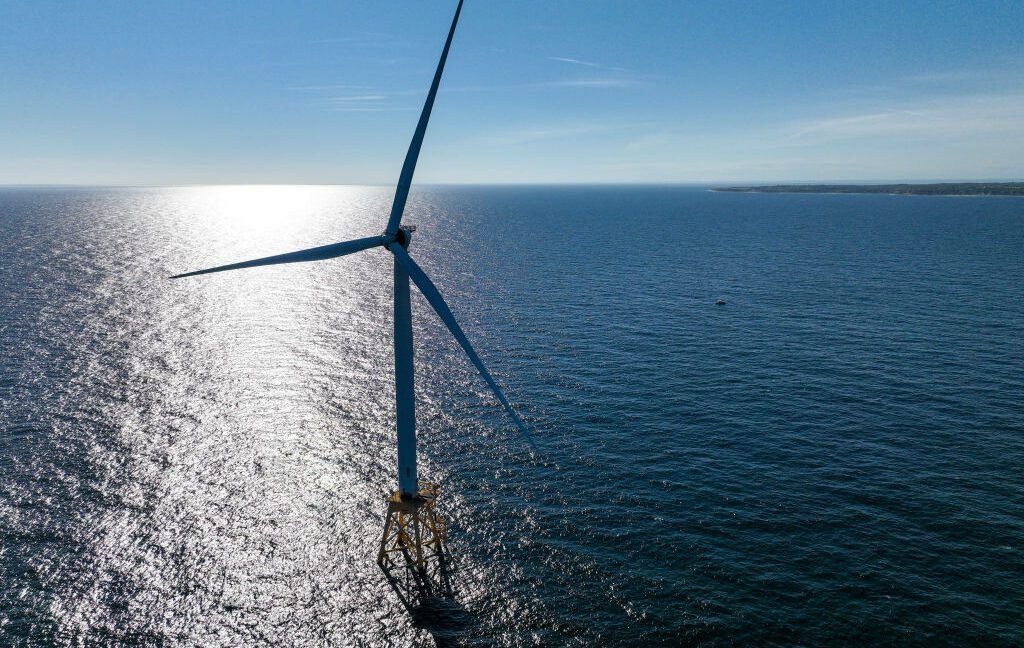
On Monday, the Trump administration announced its newest approach to its goal of blocking the development of offshore wind: pay companies to walk away from lease sites they had paid for under the Biden administration. The Department of the Interior, which arranges leases of coastal sites for the development of wind farms, would end up returning about $1 billion to France’s TotalEnergies, which has promised both to invest that money in US-based fossil fuel projects and to not do any further offshore wind development in the US.
Rumors of the deal had begun circulating last week. The deal comes in the wake of the administration’s repeated failures to block offshore wind projects after construction had started.
The deal would see TotalEnergies invest roughly $1 billion in oil and natural gas projects in the US. Once those commitments are made, the US would pay the company that amount in return for its abandonment of two areas it had leased for offshore wind. One of those areas would have hosted a relatively small project near the Carolinas. But the second project, Attentive Energy, is a large site east of New Jersey that would have the capacity to generate 3 Gigawatts of power—capacity that the nearby states would find difficult to replace with other means.
As part of the deal, TotalEnergies is also renouncing any further attempt to develop offshore wind in the US.
The rhetoric that accompanied the announcement reads as if it were crafted by people with only a tenuous grip on reality. The world is currently experiencing price shocks for both oil and natural gas brought about by the US’s attack on Iran. While the US produces an excess of oil and natural gas, the prices of those fuels are set in part by international trade, meaning US consumers are facing rising costs. Yet the deal would see TotalEnergies develop an additional liquified natural gas export terminal, increasing US consumers’ exposure to future price shocks.
The announcement claims, however, that the deal will be “Lowering costs for American families,” and Interior Secretary Doug Burgum said, “We welcome TotalEnergies’ commitment to developing projects that produce dependable, affordable power to lower Americans’ monthly bills.” The announcement also complains about the subsidies received by offshore wind while being focused on the fact that companies paid the government for the right to develop it.