In the US, the economics of coal power generation are marginal at best, and a large number of coal plants have shut down as cheaper renewables and natural gas have surged. The Trump administration has used a number of methods to swim against this economic tide, the simplest of which has been to order plants scheduled for closure to remain operational.
The Department of Energy has used the Federal Power Act and a Trump executive order declaring an energy emergency to block the closure of coal plants nationwide. The orders requiring plants to stay open have been accompanied by a steady stream of triumphal press releases, suggesting that the Department of Energy was taking the step solely to ensure grid reliability.
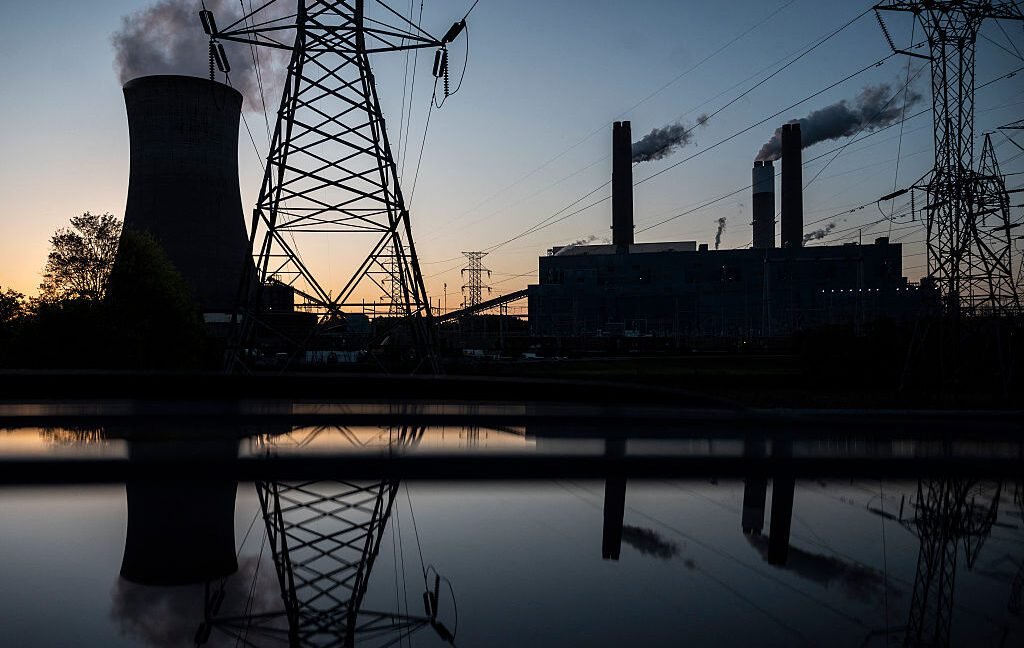
The latest of these releases, issued on Monday, pertains to a plant in Centralia, Washington, that was scheduled to close last year to be converted into natural gas generation. A Department of Energy emergency order had kept it operational over the winter, but that order was set to expire yesterday. With yesterday’s new order, the plant will remain operational through mid-June. According to the press release, the action was taken “to ensure Americans in the Northwestern region of the United States have access to affordable, reliable, and secure electricity.”
In response, the Environmental Defense Fund checked the generating stats for the area served by the TransAlta Centralia Coal Plant, which is the last remaining coal plant on its segment of the grid. According to Energy Information Administration data, coal contributed just 8 megawatt-hours in January and February, an amount of energy the solar panels on my house can produce in roughly eight months. This, the EDF said, is consistent with the plant simply maintaining the capacity to come back online.
This doesn’t rule out the possibility that the plant could have helped stabilize the local grid if there had been an unexpected surge in demand, as the Department of Energy contends. It’s consistent, however, with normal grid planning, which would evaluate the likely growth of demand and ensure there are sufficient generating sources before closing a plant. In short, the plant appears to be behaving as would be expected if the local grid operators had been competent when they decided to close it.
In any case, it is clear that local ratepayers are paying for the privilege of maintaining a plant that does not appear to be needed.
Apparently, this issue has attracted the attention of Democratic lawmakers. On Wednesday, 120 members of the House introduced a bill to reverse the Trump administration’s attack on renewable energy. That bill includes a section, “Ratepayer Protection Against Uneconomic Power Generation,” that would specifically modify the text of the Federal Power Act to make it far more difficult to declare the sort of “emergency” that the Department of Energy is currently relying on.
The bill has many additional provisions that will prove unpopular with Republicans and therefore has no chance of passing. But it’s being called “The Energy Bills Relief Act,” which suggests that the Democrats intend to use any Republican votes against it as part of their campaign for control of Congress in the fall.