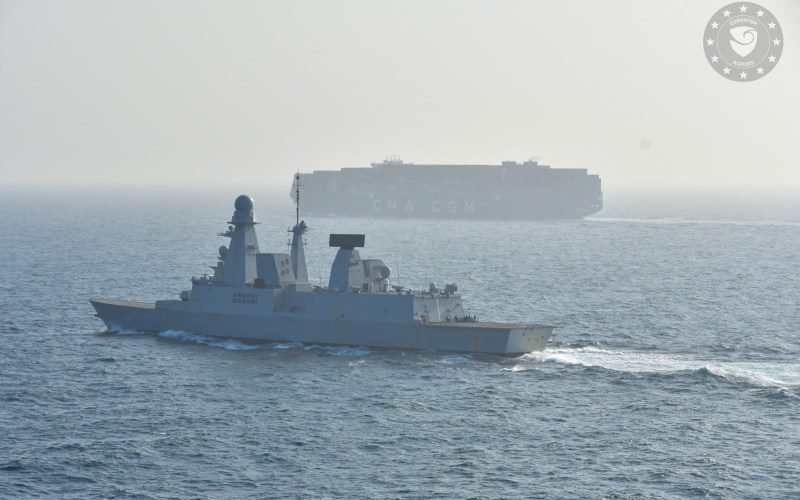
Foreign ministers from the European Union are expected to discuss reinforcing the bloc’s Aspides naval mission when they meet in Brussels on Monday, as pressure mounts from Donald Trump to help reopen the Strait of Hormuz.
The strategic waterway—one of the world’s most important oil shipping routes—has faced a de facto blockade since the outbreak of war involving Iran, triggering a global energy shock, surging prices and broader economic volatility.
According to diplomatic sources, EU ministers may explore expanding the operational capacity of the Aspides mission. However, officials are cautious about deploying the mission directly to Hormuz while fighting continues in the Middle East, wary of being drawn into the escalating conflict.
Transatlantic pressure and European caution
Trump has urged allies to form an international naval coalition to escort commercial vessels through the strait. He warned that a failure by European partners to respond would be “very bad for the future of NATO.”
Yet several European governments remain hesitant. German Foreign Minister Johann Wadephul said Berlin wants to avoid taking an “active part” in the conflict.
The EU launched the Aspides mission in 2024 to protect merchant shipping in the Red Sea from attacks by Iran-backed Houthi rebels. At the time, the bloc declined to join the US-led Operation Prosperity Guardian, preferring a strictly defensive posture.
Iran has also warned against foreign intervention. Foreign Minister Abbas Araghchi told his French counterpart that European countries should avoid actions that could escalate the conflict.
Broader geopolitical and economic implications
EU foreign policy chief Kaja Kallas said she had discussed with António Guterres the possibility of replicating a Black Sea-style initiative used during the Ukraine war to safeguard maritime trade.
Kallas warned that disruptions in Hormuz could have wider consequences, including shortages of fertilisers and potential global food insecurity.
Meanwhile, the crisis is complicating the EU’s approach to the war in Ukraine, led by Volodymyr Zelenskyy, as energy pressures and internal disputes—such as Hungary’s veto threats—add further strain to European unity.