A young mountain biker has died weeks after being bitten by a rattlesnake while riding on a popular Southern California trail.
Julian Hernandez, 25, of Costa Mesa, was biking near the Quail Hill Trailhead in Irvine around 11 a.m. on February 1 when the snake suddenly struck, according to authorities.
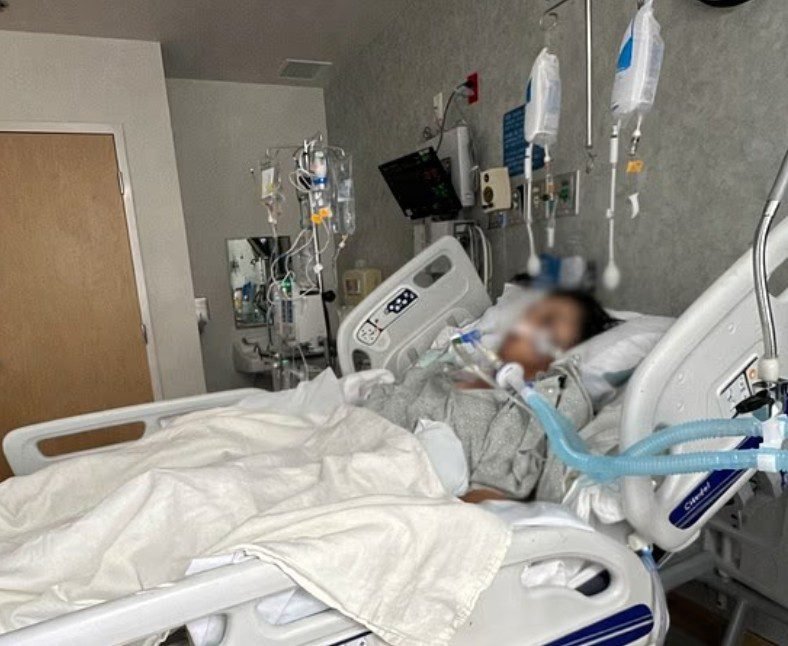
Emergency crews rushed Hernandez to the hospital, where he later fell into a coma. He remained in intensive care for more than a month as doctors worked to save his life.
On March 4, his family confirmed that he had died from complications linked to the venomous snake bite.
Medical experts say rattlesnake venom can quickly cause serious damage throughout the body if treatment isn’t administered quickly.
“A snake bite with venom from a rattlesnake causes significant stress on the body,” Dr. William Woo of Kaiser Permanente told KTLA. “It can cause organ shutdown. It can be really severe, and we know that the effective treatment is antivenom. The sooner we can administer it, the better off the patient is.”
Hernandez remained hospitalized from the day of the attack until his death more than a month later.
Doctors say rattlesnake venom can trigger a range of dangerous symptoms, including severe swelling, internal bleeding, breathing problems, nausea, and in rare cases, organ failure.
Experts stress that anyone bitten by a rattlesnake should seek emergency medical care immediately.
“Try to stay calm, keep your heart rate slow, and keep the area of the bite in a relaxed position,” Woo explained. “Do not delay getting to the hospital. That is the most important thing.”
Rattlesnakes are commonly found throughout California, especially along hiking trails and in rural areas. According to the California Poison Control System, the agency receives hundreds of calls each year involving rattlesnake encounters.
Most bites happen during warmer months when more people are outdoors, but snakes can still be active year-round in some areas.
Symptoms from a bite can appear within minutes or hours and may include intense pain, swelling, bruising, bleeding, dizziness, drooling, and difficulty breathing. In rare cases, victims can go into shock.
Health experts warn people not to attempt common but dangerous home remedies such as cutting the wound, trying to suck out venom, applying ice, drinking alcohol, or using a tourniquet.
Instead, the best response is to stay calm, limit movement, call 911, and get to the nearest hospital as quickly as possible.
Wildlife officials say rattlesnakes typically bite only when they feel threatened and should always be given plenty of space.
To avoid dangerous encounters, hikers and cyclists are advised to stay on marked trails, watch where they step or ride, avoid tall grass and brush, and check logs or rocks before sitting down. Pet owners should also keep animals close while on the trail.
While rattlesnake bites can be extremely serious, deaths remain rare. The Centers for Disease Control and Prevention estimates that between 7,000 and 8,000 people are bitten by venomous snakes in the United States each year, but only about five people typically die annually.
A GoFundMe page has been set up to help Hernandez’s family cover funeral expenses as they mourn the loss of the young cyclist.