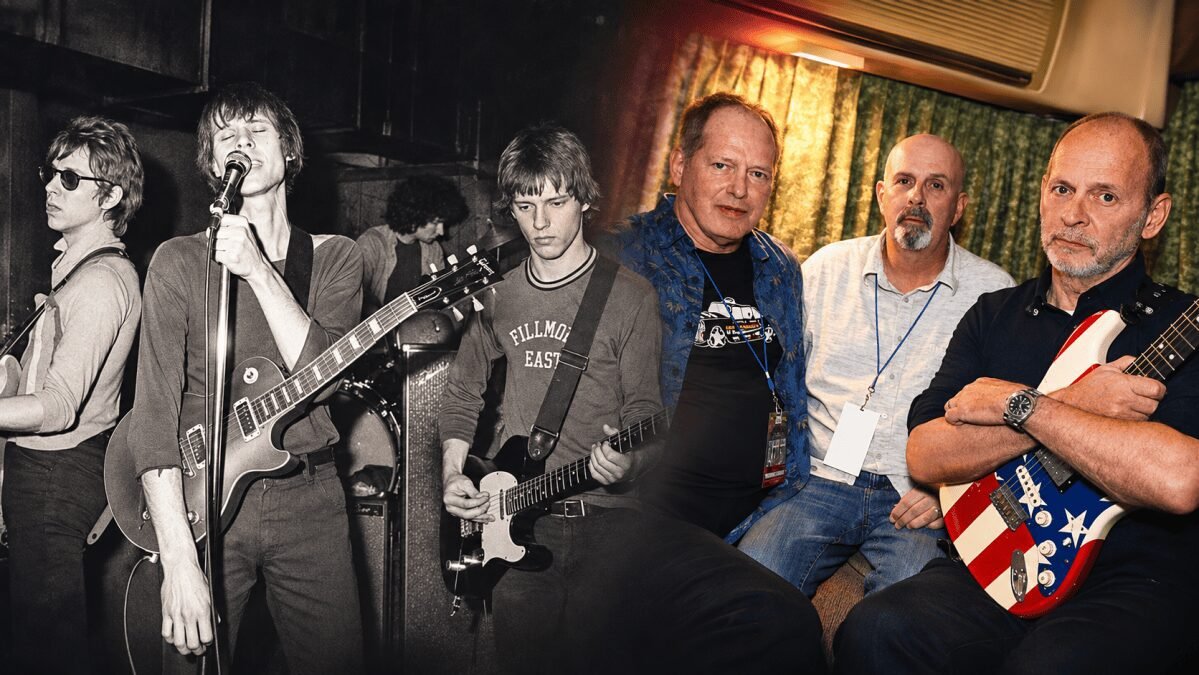
Richard Lloyd, the legendary guitarist who helped revolutionize rock music as a founding member of the influential band Television, has died at 75 following a battle with cancer.
The musician died Saturday, November 7, at his home in Chattanooga, Tennessee, just months after receiving a devastating diagnosis in March. His wife, Sheila, and their beloved dog, Willie Mays, were by his side during his final moments, according to a statement from his family.
Lloyd’s death marks another heartbreaking loss for the pioneering New York City rock band, whose groundbreaking sound helped shape the punk movement of the 1970s and influenced generations of musicians.
Born in Pittsburgh in 1951, Lloyd grew up in New York City before emerging as a central figure in the city’s explosive underground music scene. In 1973, he joined forces with singer and guitarist Tom Verlaine, drummer Billy Ficca and bassist Richard Hell to form Television.
The group quickly became a fixture at CBGB, the legendary Manhattan nightclub that helped launch the careers of the Ramones, Blondie and Talking Heads.
While many punk bands embraced loud, fast and deliberately simple music, Television took a different approach. Lloyd and Verlaine developed an extraordinary dual-guitar sound, combining intricate melodies, explosive solos and extended improvisations that set the band apart from its contemporaries.
Their 1977 debut album, Marquee Moon, became one of the most celebrated rock recordings of its era. Featuring unforgettable tracks such as “Marquee Moon,” “Venus” and “See No Evil,” the album helped lay the groundwork for alternative and indie rock.
Although Television never achieved massive commercial success in the United States, its influence reached far beyond the New York punk scene, inspiring musicians and bands including R.E.M., U2 and Sonic Youth.
The group released its second album, Adventure, in 1978 before splitting amid creative differences and personal tensions. Lloyd subsequently launched a solo career and collaborated with artists including Matthew Sweet and John Doe.
Television reunited in 1992, releasing a self-titled comeback album, but Lloyd eventually departed the group in 2007.
In December 2025, Lloyd reflected on his complicated relationship with Verlaine during what became his final interview with Guitar World.
He acknowledged the creative friction that had helped define their musical partnership, describing the tension between them as an important source of the band’s creativity.
Verlaine died in January 2023 at age 73, making Lloyd’s passing another major loss for the musicians who helped define Television’s unmistakable sound.
Lloyd’s final months were marked by serious health struggles after doctors diagnosed him with cholangiocarcinoma, a rare cancer affecting the bile ducts.
In August, his friend and fellow musician Sean Seymour organized a GoFundMe campaign to help cover mounting medical expenses.
According to the fundraiser, Lloyd had endured seven stays in intensive care and two episodes of sepsis. Doctors also discovered tumors in his liver, including one positioned dangerously close to a major blood vessel, preventing surgical removal at the time.
Unable to continue touring, Lloyd faced growing financial difficulties as his wife helped care for him.
Despite the challenges, the guitarist maintained a determined outlook and publicly thanked supporters who offered assistance.
His death has prompted an outpouring of tributes from fellow musicians.
Former Smiths guitarist Johnny Marr remembered Lloyd as a true inspiration, while Wilco frontman Jeff Tweedy shared memories of a personal guitar lesson with the musician that left a lasting impression.
Rock band Garbage also paid tribute, describing Lloyd as a giant in the musical community and praising his extraordinary talent and distinctive style. Pitchfork+2
Beyond his work with Television, Lloyd released numerous solo albums and published his memoir, Everything Is Combustible, in 2017, offering readers an intimate look at his turbulent youth, musical achievements and personal struggles.
He is survived by his wife, Sheila O’Keefe Lloyd; his son, Dylan; and his brother, Eric.
For fans of the gritty New York music scene that transformed rock in the 1970s, Lloyd’s death closes another chapter in the history of a generation of musicians who changed the sound of popular music.
His unmistakable guitar work, however, lives on through recordings that continue to influence artists nearly five decades after Television first electrified the stage at CBGB.
Source: Iwpost.com