Israeli Prime Minister Benjamin Netanyahu’s Likud party claimed that the Arab parties “stole” the election Tuesday after their historic gain of 19 seats.
In a statement, the party said it was referring hundreds of testimonies and pieces of evidence to police, the Shin Bet and the Central Elections Committee over alleged criminal conduct at Arab polling stations that the party claims amounted to the theft of Israel’s election.
Among the alleged offenses cited by Likud were bribery, forgery, threats, violence and voting under false identities. The party also alleged that prohibited voter-mobilization software was involved and that more than one person was allowed inside voting booths in some cases.
Likud said the evidence included “thousands of envelopes containing cash alongside Ra’am party ballots.” It also reported discrepancies between the number of voters and ballot envelopes at some polling stations.
“We demand that the Police and the Shin Bet conduct a thorough investigation into the theft of the election by these Arab parties and ensure that the perpetrators are brought to justice,” the party said.
Likud separately urged the Central Elections Committee to immediately examine the allegations, saying the alleged offenses had “severely compromised the integrity of Israel’s elections and their outcome.”
“This constitutes a grave assault on Israeli democracy and the voting rights of Israeli citizens,” the statement said. “Law enforcement authorities must take immediate and decisive action.”
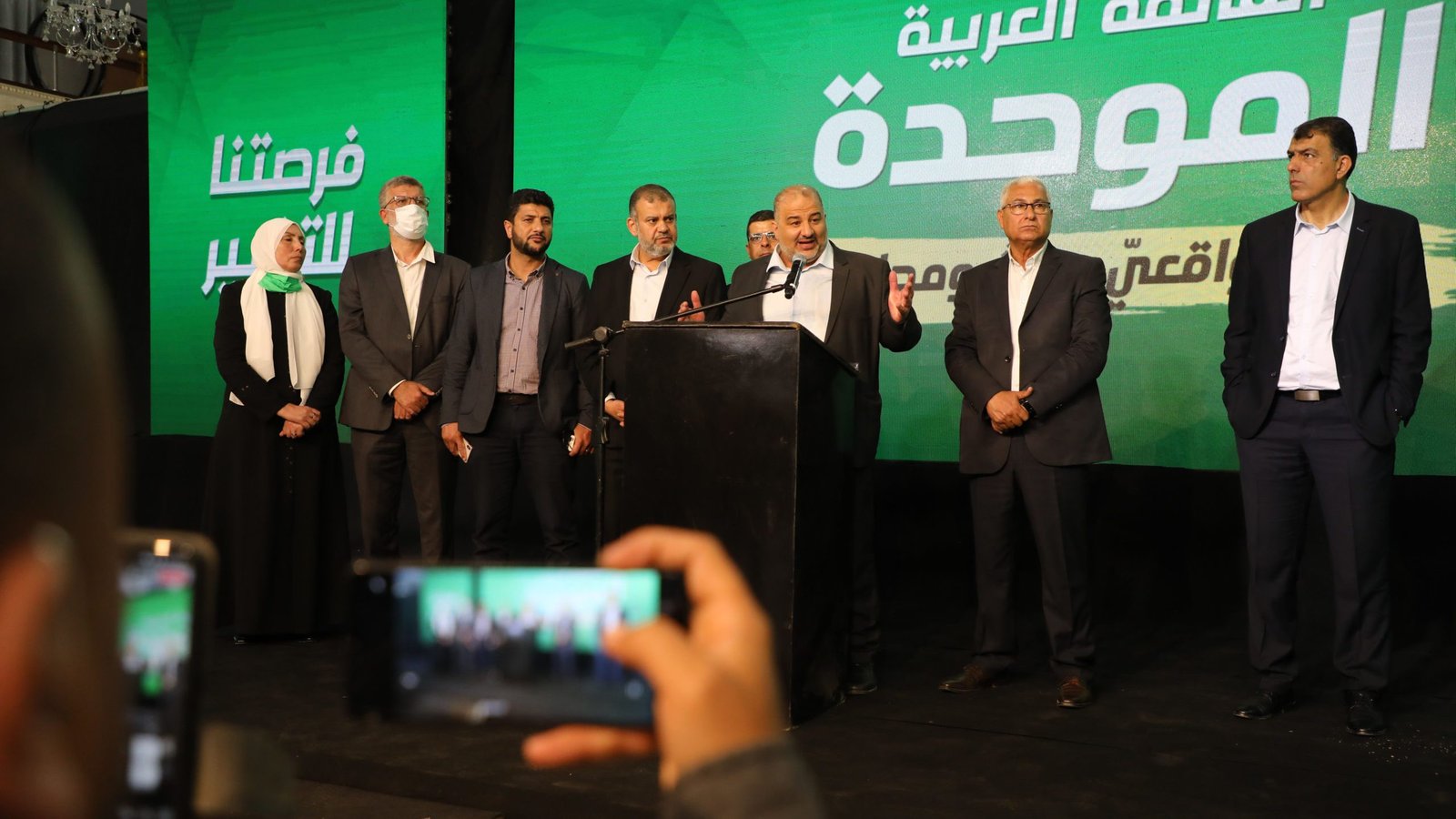
The accusations followed an election in which Ra’am and the Joint List, the Arab-led parties represented in the Knesset, received unprecedented support. They were projected to win a combined 19 seats in Tuesday’s vote, nearly double the 10 seats they currently hold.
Neither Netanyahu’s bloc nor the Jewish-led parties seeking to replace him would have enough seats to secure a parliamentary majority on their own under that projected result.
Gadi Eisenkot, Netanyahu’s principal challenger, could potentially assemble a governing majority with support from the Arab parties. Some opposition parties, however, have rejected such an arrangement.
The possibility of forming a government reliant on Arab political backing was an issue Netanyahu and Likud repeatedly campaigned against during the election.