A decade-long campaign by nongovernmental organizations helped drive a wave of new restrictions on trade with Israelis adopted by eight Western governments in September 2026, according to a report examining the advocacy networks and lobbying behind the measures.
Belgium, Canada, France, Ireland, the Netherlands, Norway, Spain and the United Kingdom announced measures restricting trade and services involving Israelis in East Jerusalem and Israeli-controlled areas beyond the 1949 Armistice Lines. Some of the measures include criminal penalties.
The report argues that the policies did not emerge solely in response to recent Israeli actions in the West Bank, but followed years of coordinated campaigning aimed at persuading governments and lawmakers to restrict economic activity connected to Israeli settlements.
It traces a major stage of that effort to the 2012 “Trading Away Peace” campaign, backed by a coalition of 22 NGOs. More recent multinational campaigns, including #StopTradeWithSettlements and Don’t Buy into Occupation, connected organizations across several countries around common demands. The report notes that many participating NGOs receive government funding, including from governments they have lobbied.
The campaigns have pursued different routes in individual countries.
In France, the Platform of French NGOs for Palestine has advocated restrictions on Israeli products since at least 2013 and, together with the International Federation of Human Rights, coordinates the “Made in Illegality” campaign. In June 2026, the platform urged supporters to contact lawmakers about legislation prohibiting trade with Israeli settlements.
Ireland has seen a decade of campaigning around the Occupied Territories Bill. Originally drafted in 2016 by an NGO and introduced in 2018, the legislation proposed penalties of up to five years in prison and fines of up to €250,000 for importing or selling settlement goods or providing settlement services. Christian Aid Ireland was among the groups involved in the campaign and co-drafted the 2018 bill.
In the Netherlands, the government announced a Temporary Sanctions Decree in July 2026 banning imports of goods originating in Israeli settlements. The legislation took effect September 22. Dutch lawmakers have also considered extending restrictions to services and investments, while parliamentary debates over the years have cited research produced by organizations including SOMO, The Rights Forum, PAX and Amnesty International.
Norway announced proposed legislation in June 2026 prohibiting trade in goods produced in Israeli settlements that it considers contrary to international law. Amnesty International Norway, Norwegian People’s Aid, Save the Children Norway and the Palestine Committee were among organizations formally included in the government consultation process.
Similar advocacy reached the British Parliament. A House of Commons debate on banning trade with Israeli settlements was held in July 2026 after mobilization by Amnesty, the Council for Arab-British Understanding and the Palestine Solidarity Campaign. Amnesty UK had previously urged the government to prohibit settlement imports and restrict British companies from operating in settlements or trading in their goods.
The report portrays these national campaigns as parts of a broader international network rather than isolated initiatives. Organizations repeatedly appear together in multinational campaigns, joint letters, parliamentary submissions and litigation seeking restrictions on commerce involving Israeli settlements.
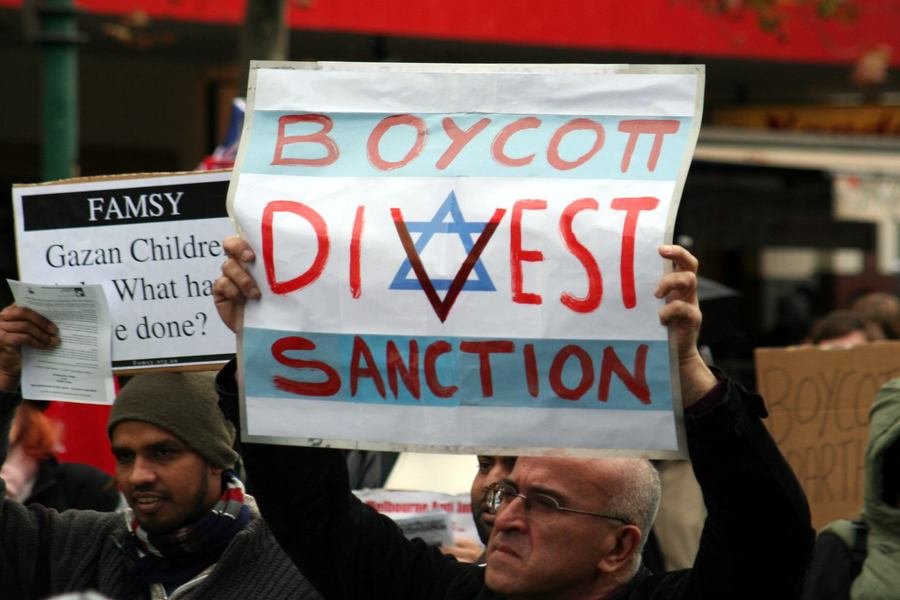
Some groups have also explicitly advocated measures extending beyond settlement goods. The Palestine Solidarity Campaign, for example, has called for comprehensive sanctions against Israel and an end to the arms trade, while other organizations have sought restrictions covering investments, services and companies doing business in Israeli-controlled areas.
The report argues that this progression is significant because earlier campaigns centered on labeling settlement products, while later initiatives moved toward prohibiting imports, services, investment and other economic activity. It characterizes settlement-focused restrictions as a step in a broader campaign for a boycott of Israel.