US Ambassador Mike Huckabee and Middle East analyst Eitan Fischberger challenged a New York Times investigation into Huckabee’s top aide, David Milstein, accusing the newspaper of relying on anonymous sources and misrepresenting legitimate oversight of embassy reporting as misconduct.
The investigation by Natan Odenheimer and Adam Rasgon, published on Thursday, alleged that Milstein suppressed, delayed or extensively rewrote internal US Embassy reports concerning Israeli actions to portray the Netanyahu government more favorably and shield it from criticism in Washington.
Among its allegations, the Times said Milstein restricted reporting that suggested Israel had failed to address settler violence and blocked a detailed report sought by members of Congress concerning the killings of Palestinian Americans. It also reported that Milstein required approval of communications from the embassy section responsible for Palestinian affairs, after which the number of cables sent to Washington fell sharply.
The newspaper said its reporting included interviews with 15 US officials who had worked with Milstein and nine former diplomats, all of whom spoke anonymously for fear of reprisal. It also said it obtained or reviewed dozens of documents, cables, memos and other internal communications.
Huckabee rejected the allegations on X, accusing the Times of using “ANONYMOUS!” sources who don’t even exist.” He added, “Milstein fights for @realDonaldTrump agenda & USA. Sleazy reporters at the Slimes should dream of having the integrity Milstein does!”
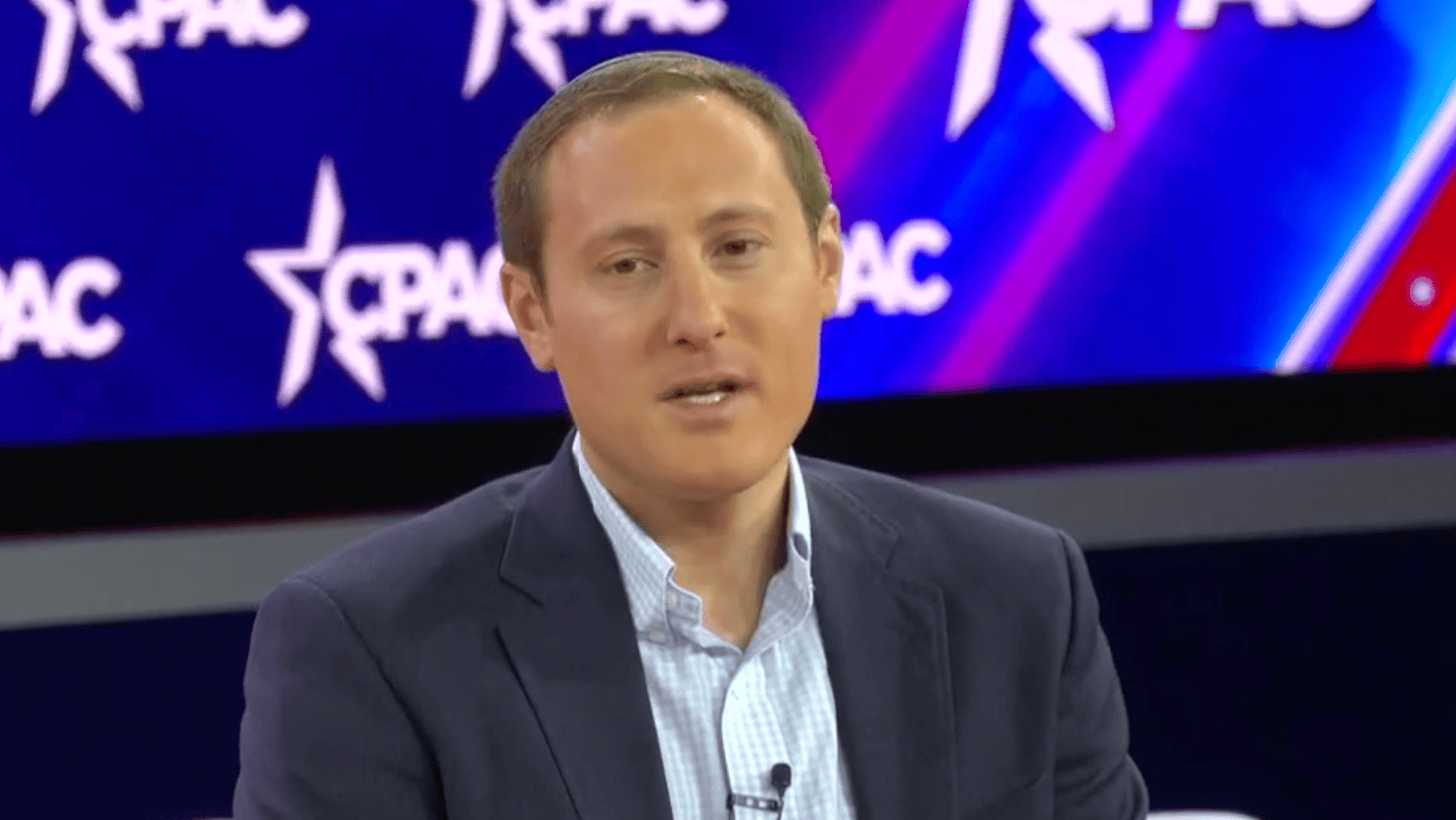
Huckabee also thanked Fischberger and reposted his rebuttal. Fischberger called the article against Milstein “one of the most grotesque things I’ve witnessed in journalism,” arguing that it portrayed ordinary diplomatic oversight as wrongdoing.
Fischberger noted that the Times itself described Milstein’s responsibilities as “reviewing and amending information sent to Washington” and acknowledged that previous US ambassadors to Israel had political advisers who influenced diplomatic reporting.
“Reviewing diplomatic cables is a completely normal, standard function,” Fischberger wrote. He also cited the newspaper’s acknowledgment that “it is not clear whether Mr. Milstein’s interventions have affected White House policy.”
“Disagreeing with career diplomats isn’t corruption. Exercising authority delegated by an ambassador isn’t misconduct,” Fischberger wrote, adding that any evidence of wrongdoing should be presented publicly so readers can judge it.