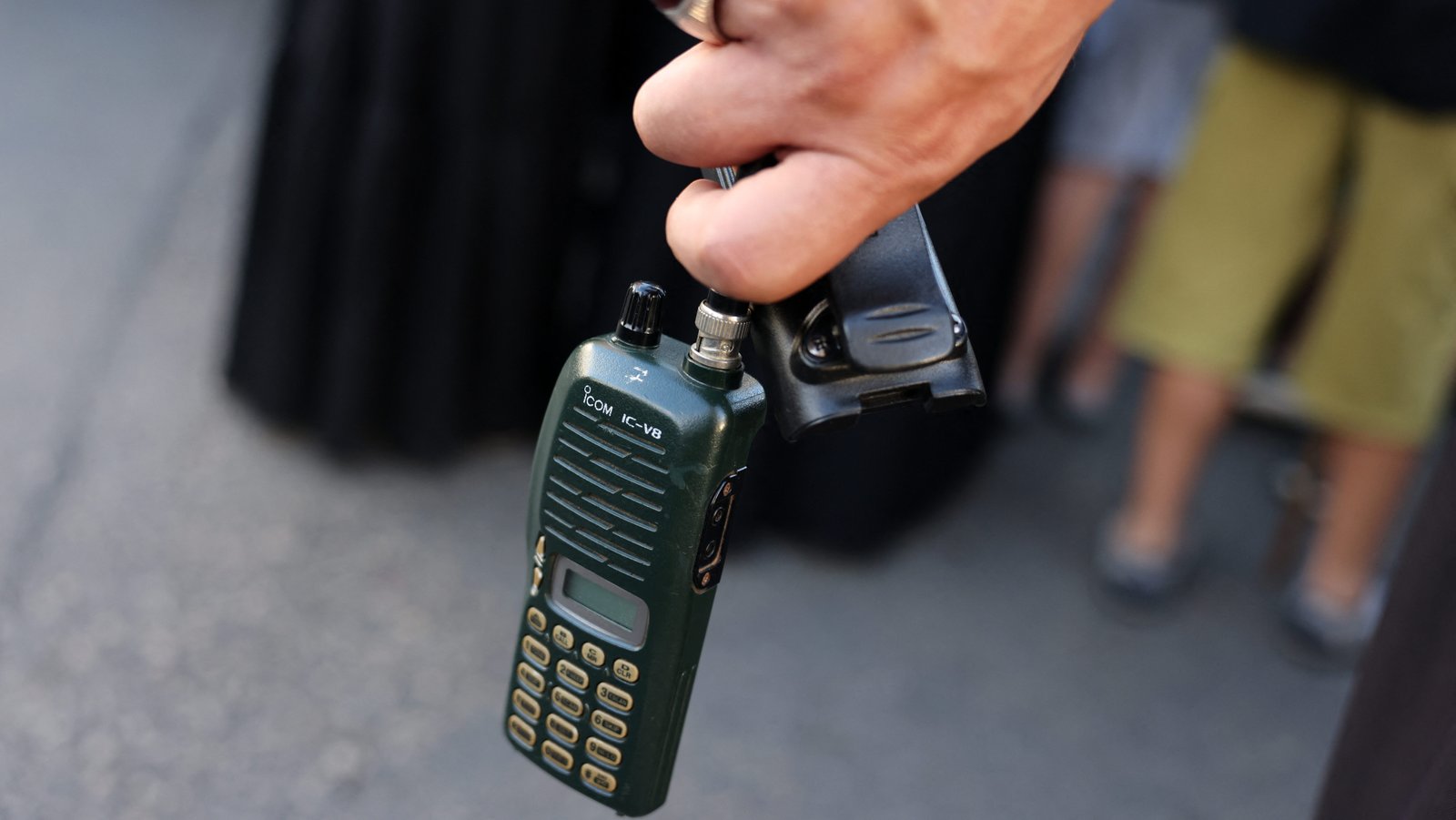
A new documentary is revealing previously undisclosed details about the Mossad operation that detonated thousands of pagers carried by Hezbollah terrorists in September 2024, including accounts of how Israel concealed explosives inside the devices and sought to keep the operation secret as Hezbollah suspicions grew.
Paging Hezbollah, directed by Justin Polk and scheduled for release Oct. 30, includes interviews with Prime Minister Benjamin Netanyahu, then-Mossad chief David Barnea and then-IDF Northern Command chief Maj.-Gen. Ori Gordin.
Thousands of pagers exploded simultaneously across Lebanon and Syria on Sept. 17, 2024, killing at least 12 and injuring nearly 3,000 other members of the armed group. The Mossad had penetrated the devices’ supply chain through front companies and placed explosives inside 5,000 pagers ordered by Hezbollah.
According to Channel 12, former Defense Minister Yoav Gallant said the cabinet first heard a proposal for eliminating Hezbollah’s fighting force through booby-trapped communications equipment on Oct. 11, 2023. Netanyahu initially canceled the plan before later approving the multi-year operation.
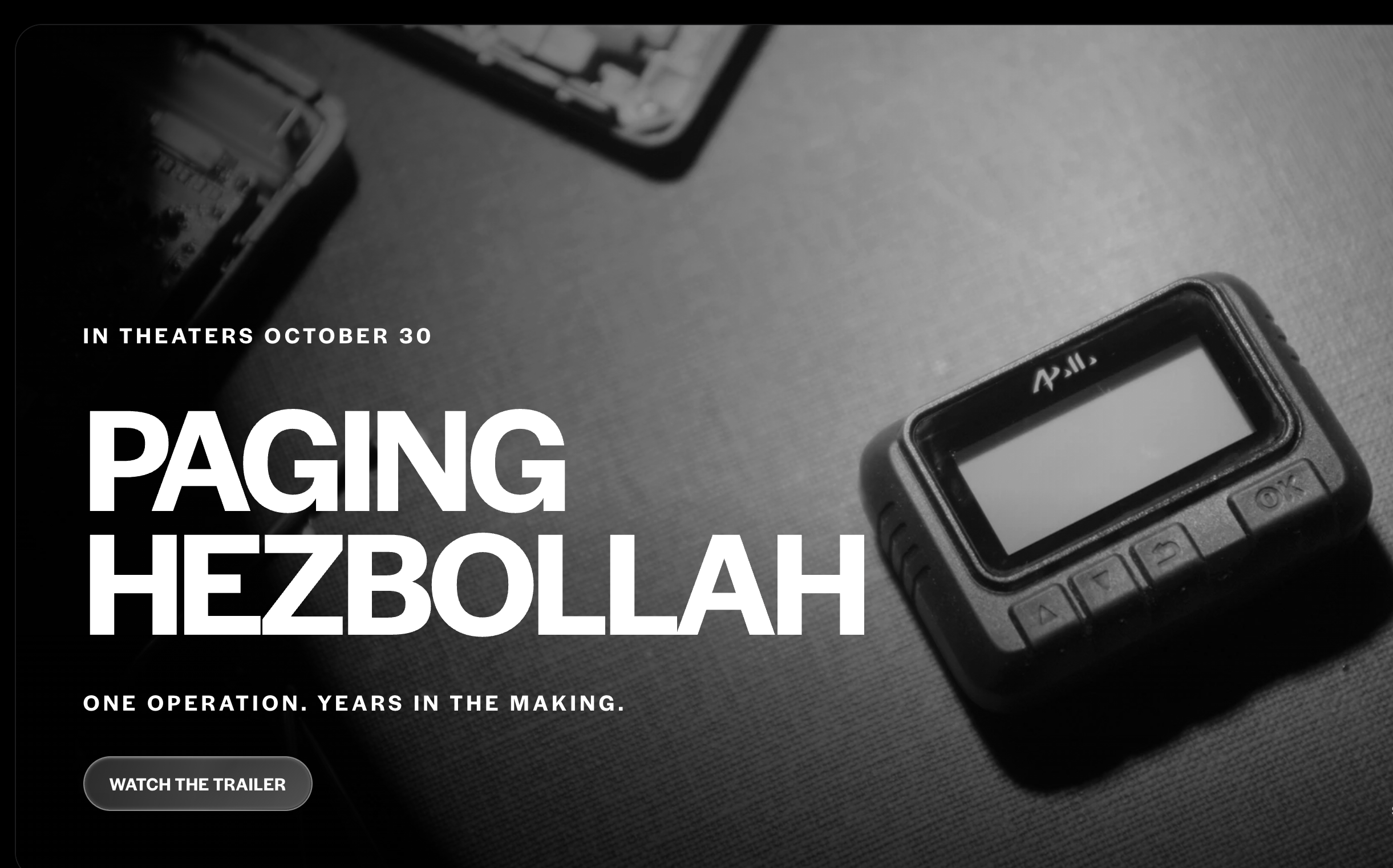
Paging Hezbollah. (Screenshot: X)
Maintaining secrecy became increasingly difficult as the planned attack approached. In August 2024, Israel learned that a Hezbollah member suspected something was wrong with the pagers and intended to examine them. Israel killed him in a targeted strike made to resemble a routine attack on a nearby target to avoid exposing the operation.
Another threat emerged during the third week of September 2024, when Israel discovered that Hezbollah had sent three pagers to Iran for specialized examination. Iran then sought to send advanced X-ray mirror machines to Lebanon to inspect the electronics. The Israeli Air Force bombed the shipment, killing the equipment operator while disguising the strike as routine military activity, Channel 12 reported.
Mossad agents described an elaborate network created to sell the devices without revealing their origin. It included engineers, marketing videos, a showroom and shell companies B.A.C. Consulting in Hungary and Apollo Systems HK. The operation secured a licensing arrangement with Taiwanese company Gold Apollo.
Pricing was structured to steer the AR-924 pagers specifically toward Hezbollah. Ordinary commercial customers were quoted high prices, while Hezbollah received a substantially cheaper offer.
Inside each custom lithium-ion battery pack was a 6-gram layer of PETN plastic explosives paired with a metal-free detonator strip designed to evade standard security scanners.
Intelligence personnel conducted repeated tests on dummies to determine the blast radius, seeking to concentrate injuries on whoever was carrying the pager while limiting harm to nearby people. A distinctive, jarring ringtone was selected to encourage recipients to remove the devices from their pockets and bring them close to their faces before they exploded.
The filmmakers describe Paging Hezbollah as an examination of the years of planning and decision-making behind an operation whose explosions were seen around the world almost immediately.
“This film is an investigation into the people and choices behind a story the world thought it already knew.”