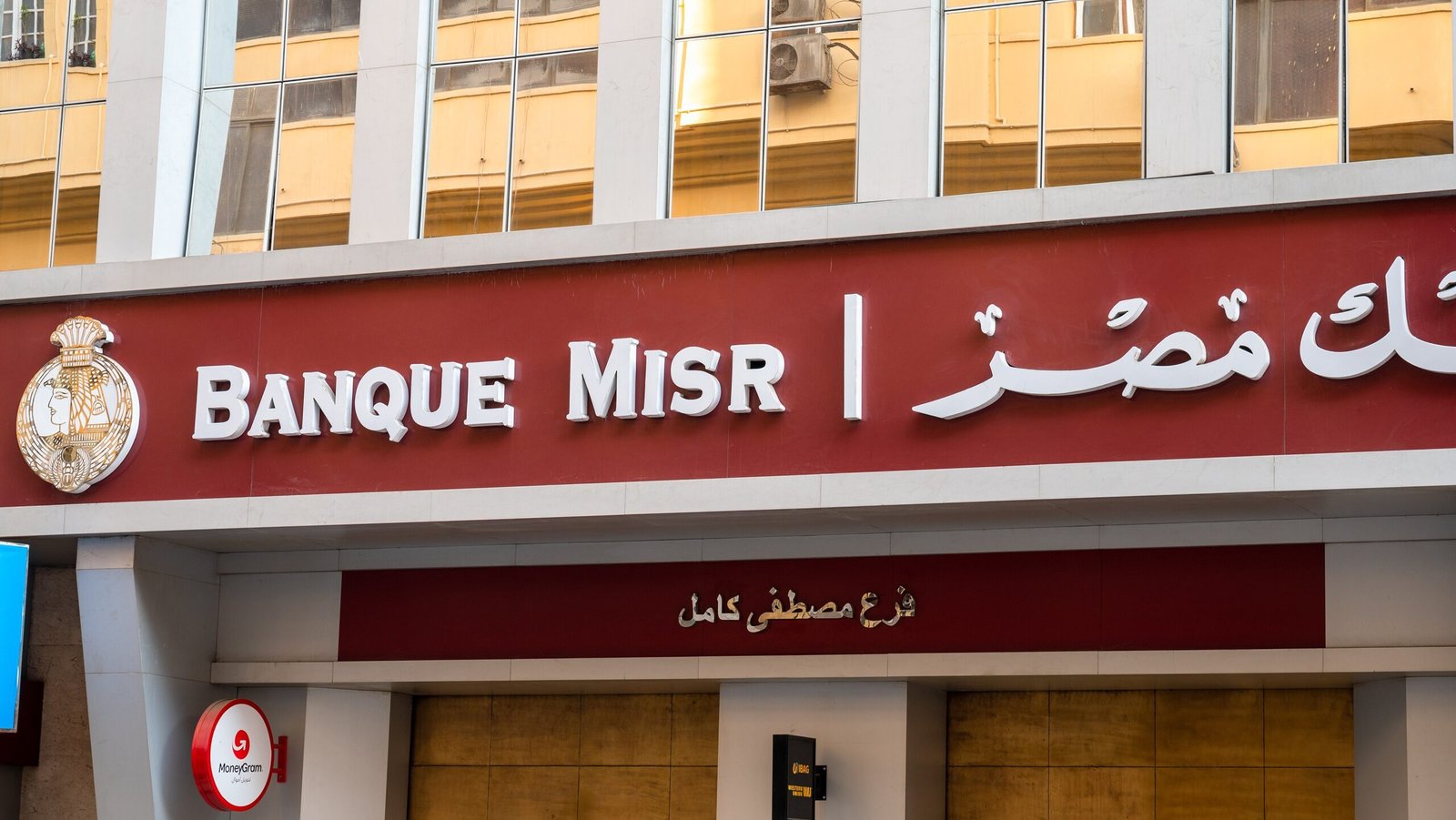
The US campaign to squeeze Iran’s economy has opened a new front in the Gulf’s banking system, with the Treasury Department proposing to cut Banque Misr UAE from key dollar-banking services over allegations that it processed transactions for companies tied to Iranian shadow-finance networks.
In her report for The Media Line, Giorgia Valente explains why the action is both narrower than a full sanctions designation and potentially far-reaching in its commercial effect. The target is Banque Misr’s five UAE branches, not the Egyptian parent bank or its operations elsewhere.
The Treasury Department’s Financial Crimes Enforcement Network, known as FinCEN, issued a Notice of Proposed Rulemaking on August 28 under Section 311 of the USA PATRIOT Act. If finalized, the rule would prohibit US financial institutions from maintaining correspondent accounts for Banque Misr UAE and require protections against indirect dealings involving its branches.
That matters because correspondent accounts are the plumbing of international finance. They allow foreign banks to clear dollars, process cross-border transfers and support trade. Losing access does not freeze a bank’s assets, but it can make international business markedly harder.
FinCEN alleged that Banque Misr UAE handled about $1.8 billion between January 2024 and June 2026 for 103 companies it identified as possible fronts for Iranian financial networks. Banque Misr said its UAE branches remained open, while Egyptian and Emirati central banks said they were coordinating a response.
Nick Turner, a sanctions lawyer, said the rulemaking route leaves Washington room to revise or abandon the proposal. “It’s possible that FinCEN might decide not to finalize this rule, or they might decide to modify it, make it more narrow,” he told The Media Line.
A US State Department adviser described the approach as carefully targeted. “Choosing the correspondent-banking mechanism over designating the whole Egyptian parent bank reflects a proportionality calculation,” he said. “The Section 311 measure is surgical by design; it only reaches the UAE branches.”
Yet narrow legal scope does not guarantee narrow consequences. Banks often reduce exposure beyond what regulations formally demand, fearful that any Iran-linked transaction could threaten their own access to dollar clearing.
The proposal arrives as Tehran faces high inflation, shrinking oil exports and sustained US economic pressure. It also accompanied sanctions against a Bank Melli Dubai branch manager and a Hong Kong trading company accused of helping an Iranian exchange house move funds.
As Valente reports, the case offers a revealing look at Washington’s strategy: squeeze Iran’s financial routes without inflicting unnecessary damage on a formal US ally. Read the full article for the legal and diplomatic stakes behind that calculation.