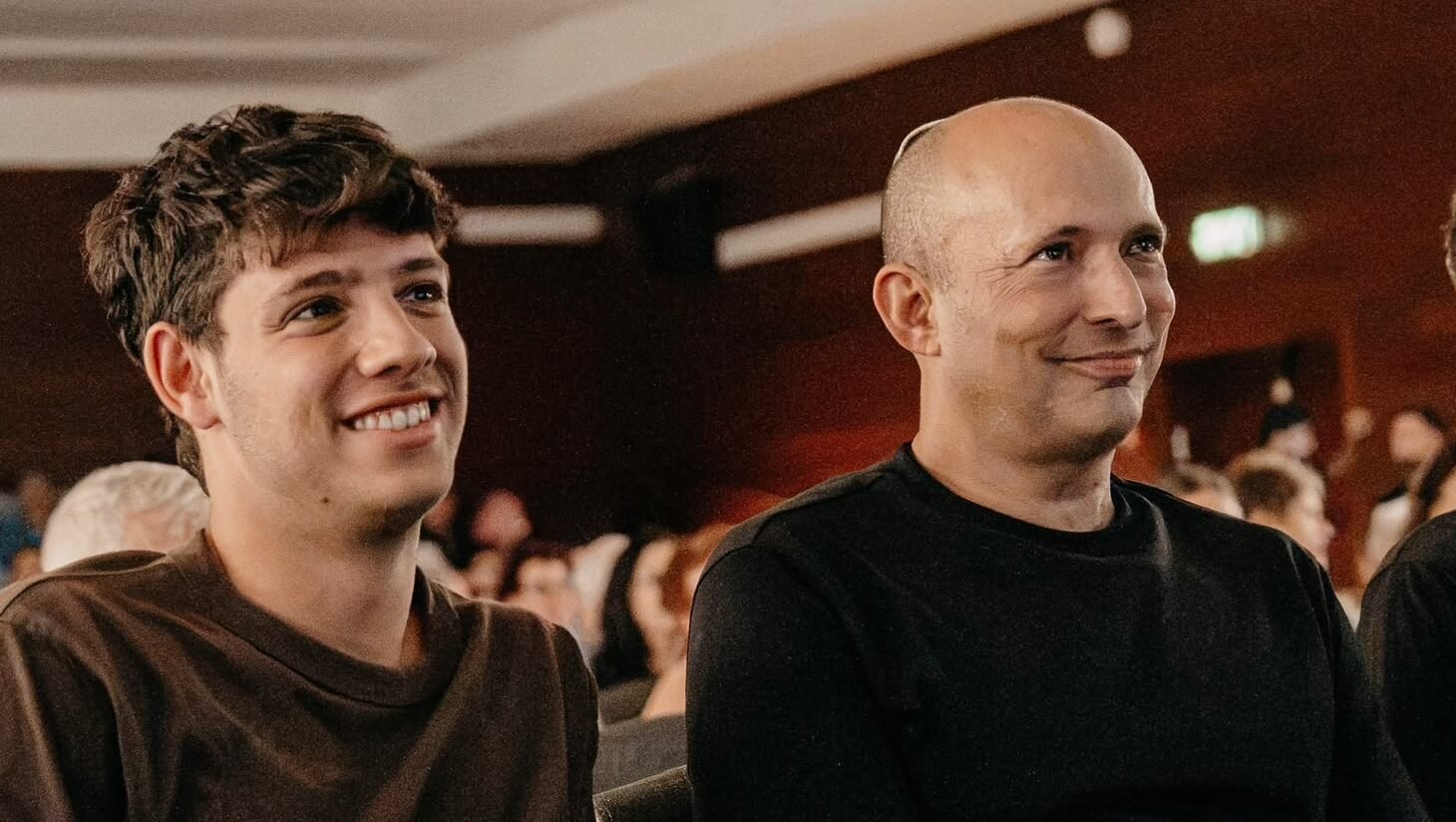
At 23, Yonatan Shalev is not offering Israelis a familiar political resume. He is offering a generational one: reserve duty, interrupted plans, the death of a close friend in war, and a belief that people under 30 have been asked to carry the country while being largely absent from its parliament.
As Gabriel Colodro reports, Shalev’s unlikely route from activist to Knesset candidate began with Shoulder to Shoulder, a 2024 movement formed by young soldiers and reservists challenging broad ultra-Orthodox draft exemptions. Now recruited by former Prime Minister Naftali Bennett’s Together party, Shalev could become Israel’s youngest-ever lawmaker if the slate wins enough seats.
His case is blunt. Israel’s young adults are returning from reserve duty to rent bills, delayed degrees, fragile careers and the sense that the people making national decisions do not inhabit the same reality. “I have a very simple mission: to represent young people and put young people on the agenda,” Shalev says.
He argues that national security is bigger than fighter jets, missile-defense systems and military technology. It depends, he says, on an economy, education system and social compact capable of sustaining a technologically advanced army. That brings the draft dispute, cost of living and Israel’s broader civic bargain into one argument: Responsibility cannot keep falling on the same shrinking segment of society.
Shalev is more developed on enlistment than on economic policy, offering few targets or budgets. Still, his critique of the government is clear. He says proposed draft legislation preserves inequality rather than solving it, and he faults Prime Minister Benjamin Netanyahu’s government for choices he believes sacrifice long-term institutions for short-term political survival.
On the West Bank, Shalev rejects collective blame against settlers while condemning attacks by Jewish extremists on Palestinian communities: “Terror is terror.” He says laws enforced in Tel Aviv should apply in Judea and Samaria as well.
His positions also show the limits of his generational rebellion. Shalev opposes a Palestinian state during a government led by his party, arguing that one would be perceived as a reward for terrorism after October 7. He wants better conditions for West Bank Palestinians while seeking to curb Qatari and Turkish influence in Gaza.
Colodro’s full profile also follows the hazards of a young candidate’s political debut: a sharp but later softened attack on former IDF Chief of Staff Gadi Eisenkot, social-media death threats and a growing public profile before he even has a place on the ballot.
Read the full article for a close look at a candidate who sees politics not as a career ladder but as the next front in his generation’s fight over what Israel will become.