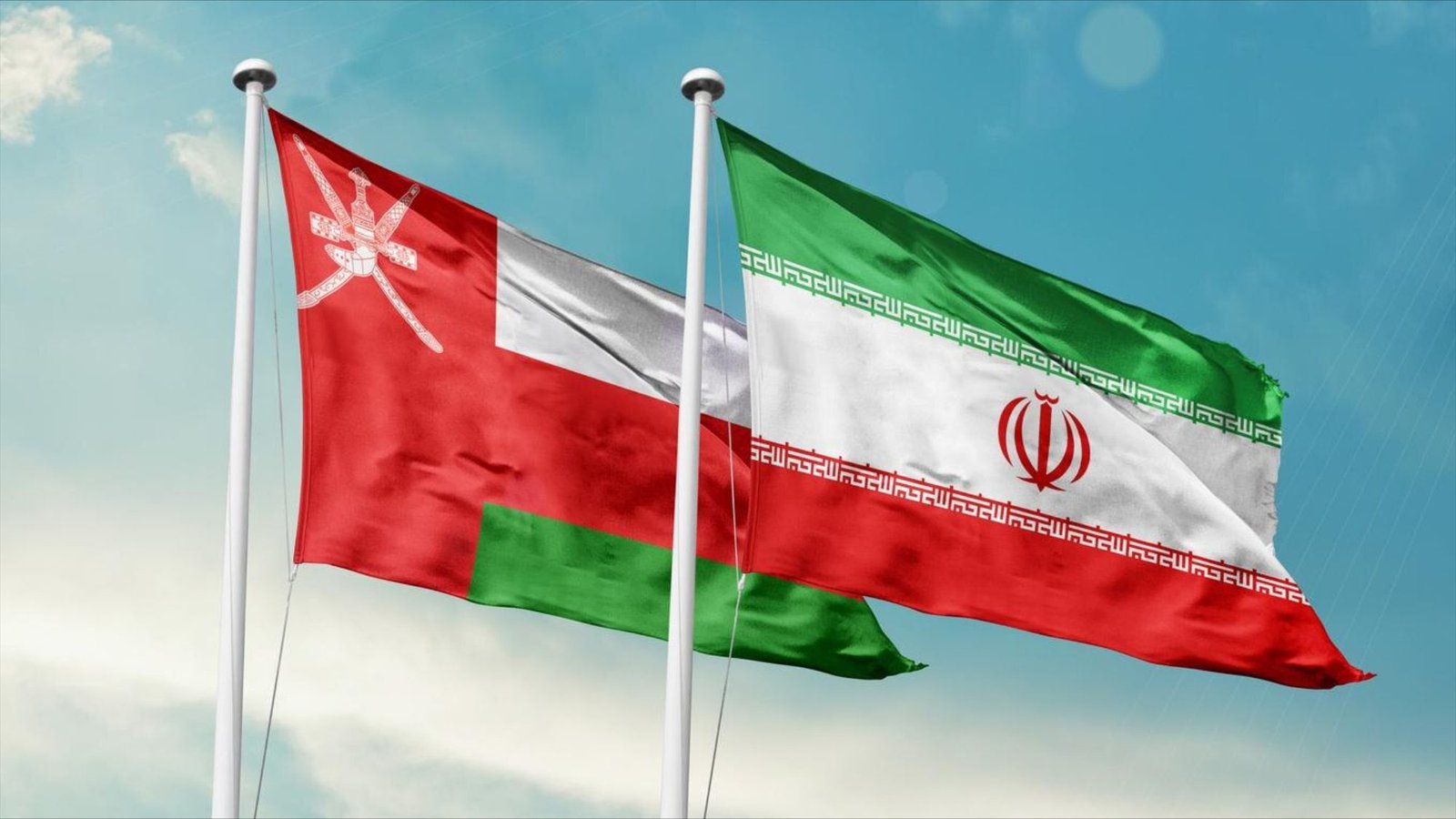
Iranian Foreign Minister Abbas Araghchi and Omani Foreign Minister Badr al-Busaidi proposed a temporary shipping corridor through the Strait of Hormuz during talks in Tehran on Tuesday, Aug. 25, seeking to restore commercial navigation through mine clearance and phased traffic-management measures.
The proposal came as shipping through the strategic waterway remained sharply reduced nearly six months after the US-Israel war with Iran began. A projectile also struck an oil tanker off Oman late Monday, disabling its engine and demonstrating the continuing danger to commercial vessels.
A joint statement issued after the ministers’ meeting said the plan included “the establishment of a joint temporary navigational corridor through the Strait of Hormuz” and a joint mine-clearing project. The two governments described the proposal as part of a phased framework intended to create a practical basis for restoring traffic.
The United Kingdom Maritime Trade Operations, a British military maritime-security agency, said the tanker was hit near Oman’s coast and suffered engine-room damage. All crew members were reported safe, and no immediate environmental damage was identified. Responsibility for the attack was not immediately established.
Commercial traffic remains far below its prewar level. Preliminary shipping data showed that only five commodity vessels crossed the strait Tuesday, compared with a recent 10-day average of 15. Before the conflict, the passage carried about 20% of global oil and liquefied natural gas shipments.
President Donald Trump said Tuesday that the US Navy had removed or destroyed all mines found in international waters within the strait. President Trump warned that any vessel attempting to place new mines would be destroyed. US officials said the clearance operation focused on the internationally recognized shipping channel.
The diplomatic initiative helped push oil prices lower, reflecting market hopes that more Gulf exports could resume. A full recovery remains uncertain because Iran says reopening must occur under arrangements acceptable to Tehran, while US sanctions and restrictions on Iranian ports remain in effect.