The United States officially removed Syria from its list of State Sponsors of Terrorism on Monday, August 24, 2026, ending a designation that had been in place for nearly 47 years. The move marks one of the final steps in dismantling the system of US sanctions and restrictions imposed on the Syrian state over several decades. The move came after the US State Department formally removed Syria from the list, according to a notice issued by the US Treasury Department, following the expiration of the congressional review period for a decision initiated by the administration of President Donald Trump earlier this year.
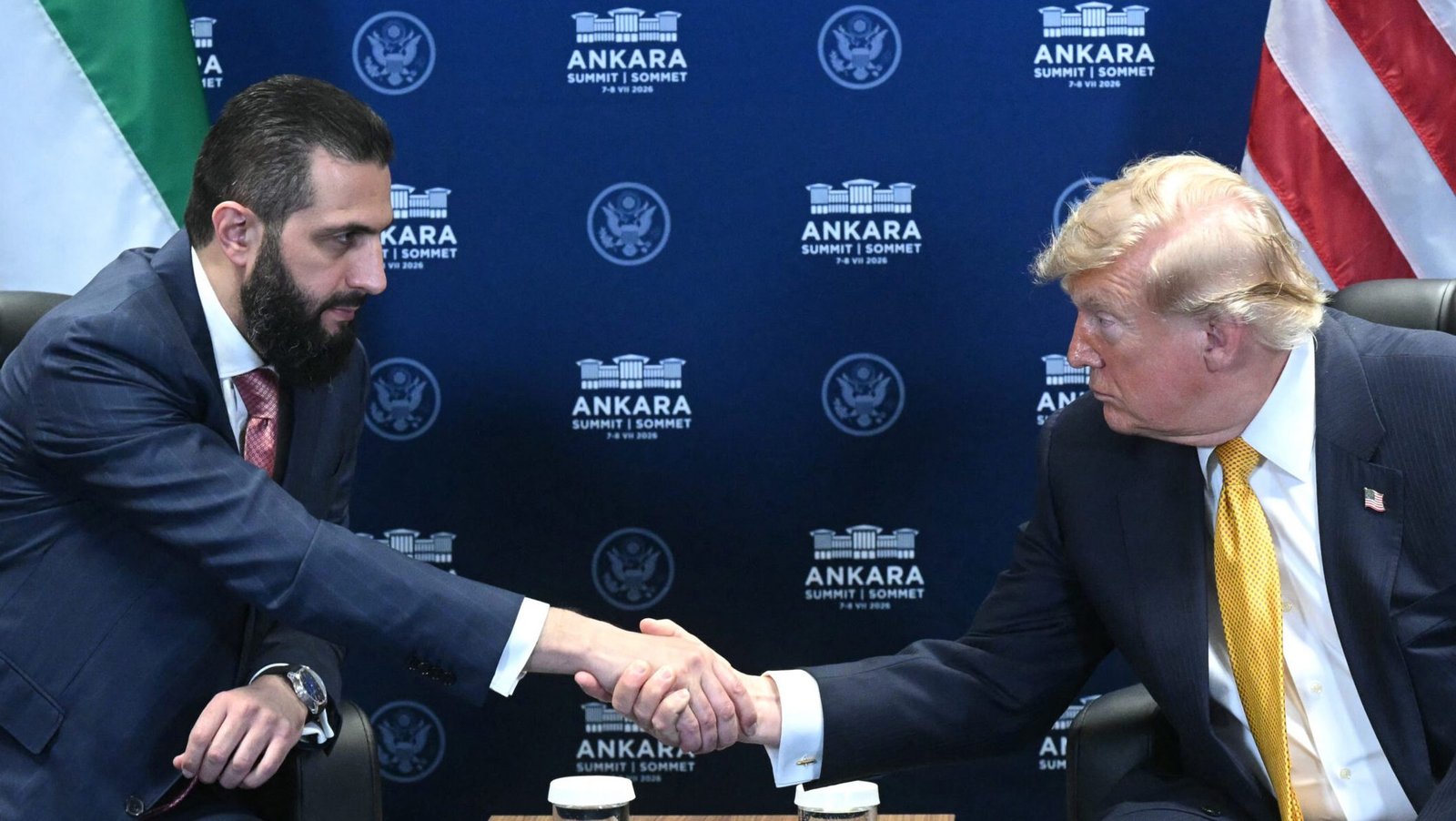
US Secretary of State Marco Rubio announced on July 8, 2026, that the process of rescinding Syria’s designation as a State Sponsor of Terrorism had begun after Congress was notified of the decision, triggering a 45-day review period before the removal could take effect. At the time, the State Department said the move came amid changes in Syria and in US policy toward the country and was part of the Trump administration’s broader effort to ease sanctions.
Syria was first placed on the US list of State Sponsors of Terrorism on December 29, 1979, making it one of the longest-standing countries on the list. Over the following decades, the designation imposed extensive legal and economic restrictions that later overlapped with successive rounds of US sanctions.
The sanctions framework expanded significantly under President Bashar Assad. In 2003, Congress passed the Syria Accountability and Lebanese Sovereignty Restoration Act. In May 2004, President George W. Bush issued Executive Order 13338, imposing additional sanctions and restrictions on Damascus.
Following the outbreak of protests in Syria in 2011, Washington imposed a broader series of sanctions targeting the Syrian government as well as key economic and financial sectors. Among them was Executive Order 13582, issued in August 2011, which became a central component of the US sanctions program against Syria.
In December 2019, Congress passed the Caesar Syria Civilian Protection Act, which took effect in June 2020. The law expanded sanctions and restrictions on dealings with the Syrian government and entities supporting it, and later became one of the most significant obstacles to the return of foreign investment and international economic engagement with Syria.
A fundamental shift in US policy began following the fall of the Bashar Assad regime in late 2024 and the establishment of a new Syrian government. On May 13, 2025, Trump announced during a visit to Saudi Arabia that he intended to lift US sanctions on Syria, setting in motion a series of executive and legal measures to ease the restrictions.
On June 30, 2025, Trump issued an executive order terminating the comprehensive US sanctions program on Syria, with the decision taking effect on July 1. The order revoked six executive orders that had formed the legal foundation of the Syria sanctions program, including measures issued in 2004, 2006, 2008, and 2011.
On August 26, 2025, the Treasury Department removed the Syrian Sanctions Regulations from the Code of Federal Regulations, effectively completing the termination of the comprehensive sanctions program. Washington, however, maintained targeted sanctions against Bashar Assad and several of his associates, as well as individuals and entities accused of human rights abuses, Captagon trafficking, and chemical weapons proliferation. Sanctions also remained in place against Islamic State, al-Qaida, and entities linked to Iran and its proxies.
Syria’s removal from the State Sponsors of Terrorism list now eliminates one of the most significant remaining legal barriers to the country’s reintegration into the international financial and economic system, particularly in dealings with financial institutions, banks, and foreign investors, following decades of isolation and US sanctions.