An estimated $50 million ransom paid for a hostage held by al-Qaida-linked members in Mali in late 2025 helped finance the group’s expansion across West Africa and provided money to al-Qaida organizations elsewhere, United Nations experts said.
The UN report did not identify the hostage or who paid the ransom. Three regional sources told Reuters that the United Arab Emirates made the payment following the release of an Emirati citizen and two other foreign hostages from Pakistan and Iran.
The sources did not say whether payments were made for each hostage or describe how the money was transferred.
A UAE official did not directly address the reported payment but said the country remained committed to combating terrorism and extremist financing.
“UAE continues to strengthen its counter-terrorism efforts through active engagement in relevant international and regional frameworks, and through sustained efforts to cut off sources of extremist financing and counter extremist ideology,” the official said.
The report, dated Aug. 10 and posted on the UN website the following day, was prepared by experts monitoring al-Qaida and Islamic State for the UN Security Council.
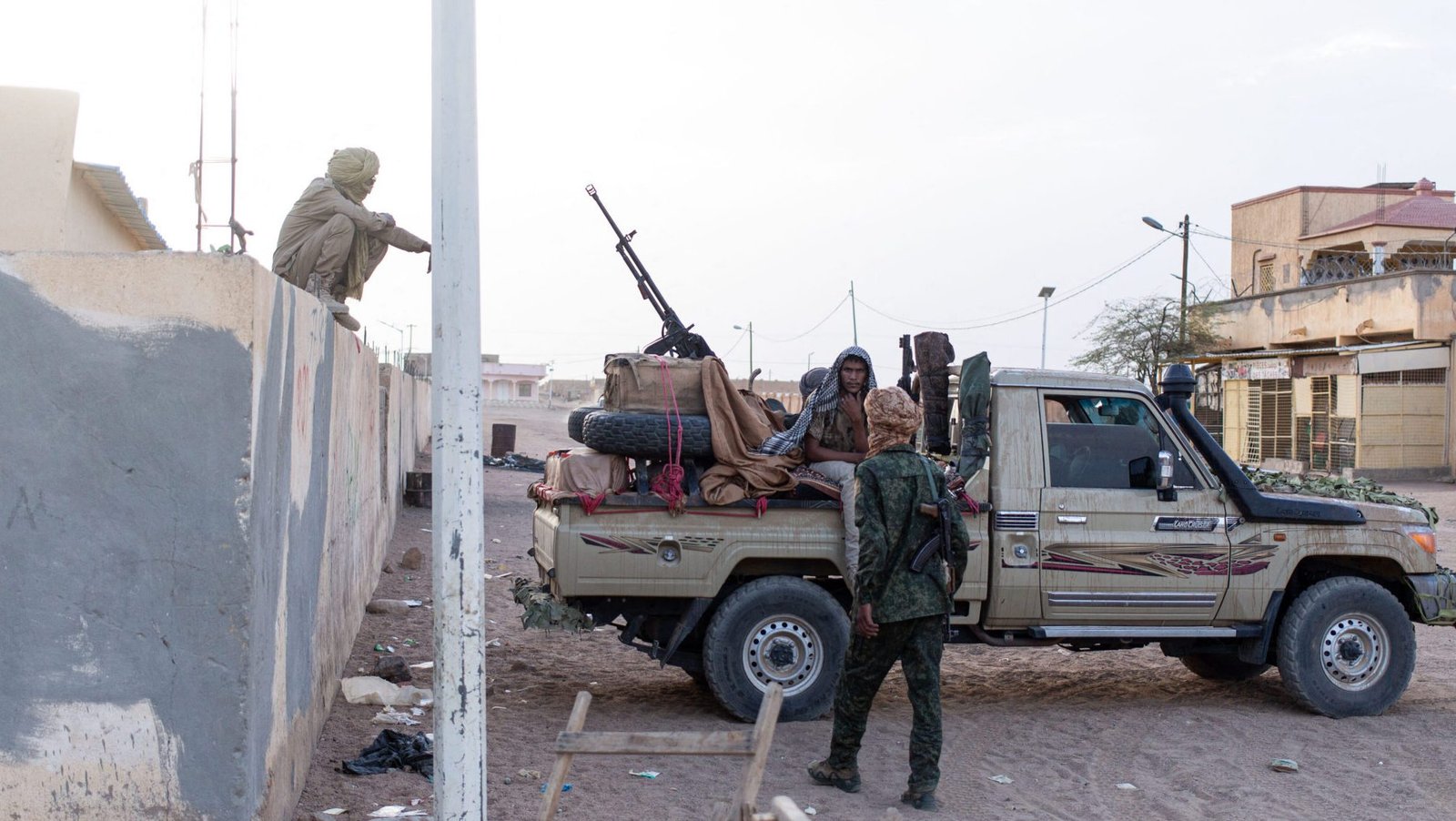
The experts said most of the approximately $50 million received in 2025 was distributed among armed units of Jama’at Nusrat al-Islam wal-Muslimin (JNIM) an al Qaida-linked coalition operating across the Sahel region of West Africa.
“These funds played a key role in financing the group’s offensive across Mali,” the report said.
JNIM has between 7,000 and 8,000 fighters in the Sahel, approximately half of them in Mali. Its fighters operate in Mali, Burkina Faso, and Niger and farther south in Benin and Togo.
The report said some ransom money also went to al-Qaida in the Islamic Maghreb, a JNIM member and al-Qaida’s official North African affiliate. That group transferred some funds to al-Qaida’s core leadership and al-Qaida in the Arabian Peninsula in Yemen.
Security sources said foreign hostage ransoms typically range from $4 million to $6 million. The UN experts said JNIM uses kidnappings to generate revenue and weaken public confidence in governments’ ability to provide security.