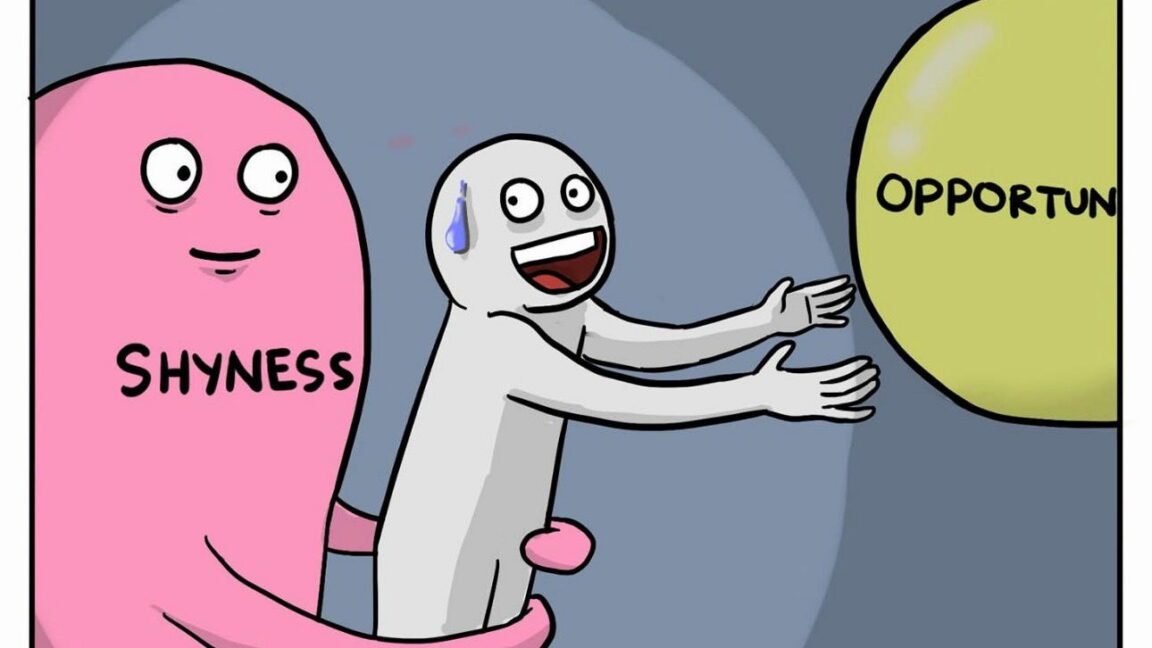
Artist Elmer Saflor, who goes by the online handle “Superelmer,” loves that millions of people have shared his “Running Away Balloon” comic since it became a popular meme in 2017.
However, just because lots of people have copied it, that doesn’t mean it’s OK for an AI meme generator to commercialize his copyrighted meme as a template for who knows how many ads, he told Ars. That’s why he’s fighting to stop one of the biggest meme generators currently leveraging AI to rapidly scale the allegedly illegal use.

In a lawsuit filed earlier this month, Saflor, a digital creator and artist in the Philippines, alleged that Memes Apps, LCC—which operates the content creation platforms Memes.ai and Memes AI Studio—violated copyright law by selling paid subscriptions to an ad generator that spits out copies of his comic without permission.
Saflor told Ars that he did not contact Memes Apps ahead of filing his suit, and he has not seen any examples of his meme used in ads generated by the platforms. However, he filed the lawsuit to compel discovery, while raising “broader questions about how AI-powered platforms use creators’ work, what licensing obligations they may have, and how copyright law applies when viral Internet culture becomes a commercial product,” he told Ars.
Entire meme ecosystem may be impacted
It’s unclear what defense Memes App may raise, but Internet law expert Eric Goldman told Ars that there’s precedent to support Saflor’s arguments that his rights have been infringed.
In a 2024 case involving the “SuccessKid” meme, a court ruled that the particular meme could not be used in a campaign ad without permission. At the time, Goldman blogged that the ruling implied that “meme usage for noncommercial purposes is likely fair use, while meme usage in ads isn’t.”
Goldman told Ars that Saflor has started his case off “on the right foot,” telling “the right story for the judge” in the complaint.
However, it’s gutsy to go after the meme generator, rather than advertisers allegedly infringing, and that strategy could create “a whole host of other legal dilemmas” for the court to weigh, Goldman told Ars.
By taking on the meme generator, Saflor may hit a wall if the court finds that his arguments apply to any meme generator and a finding in his favor could risk undercutting the entire meme ecosystem, Goldman said.
“In those circumstances, there’s some good reasons for the court to check more cautiously,” Goldman suggested, perhaps making a win harder for Saflor.
However, “the packaged deal” that Memes Apps is trying to sell to third-party advertisers—offering access to template memes for subscription tiers set at $40 or $199 monthly—could doom the meme generator’s defense. Unless, Goldman suggested, Memes Apps can prove that the deal is a common model in the meme generator industry.
Another hurdle for Saflor could be proving harm, particularly if it turns out that no advertisers used his comic to produce ads.
Ars could not immediately reach Memes Apps for comment and could not confirm if Saflor’s meme template was widely used by its subscribers or ever used in an ad.
Although Goldman wondered who the consumer is that’s relying on bulk AI outputs from meme generators to make ads, Saflor’s complaint cited Memes Apps’ public portfolio to suggest the service is quite popular. Seemingly, the platform works with more than 40 brands that generate up to 1,000 ads monthly to more than 75 million social media followers. Saflor’s alleged that he’s likely already suffered “substantial economic damage” from the unfair use of his meme.
Saflor is hoping the court will order Memes Apps to stop using his comic as a template. He always wants a complete account of the number of ads using his comic in order to reclaim all ill-gotten profits.
Goldman suggested that in a win, the payout may be challenging to calculate since the subscriptions make it hard to assess what value a given meme had to the platform. But Saflor told Ars that like the comic that he made that widely resonated across the Internet, the fight to defend his rights as a creator is personal. “There’s a big difference between Internet users making memes for fun and a company monetizing my copyrighted work as part of a commercial product.”
AI meme generators set “dangerous precedent”
The “Running Away Balloon” comic came from a “deeply personal place,” Saflor told Ars.
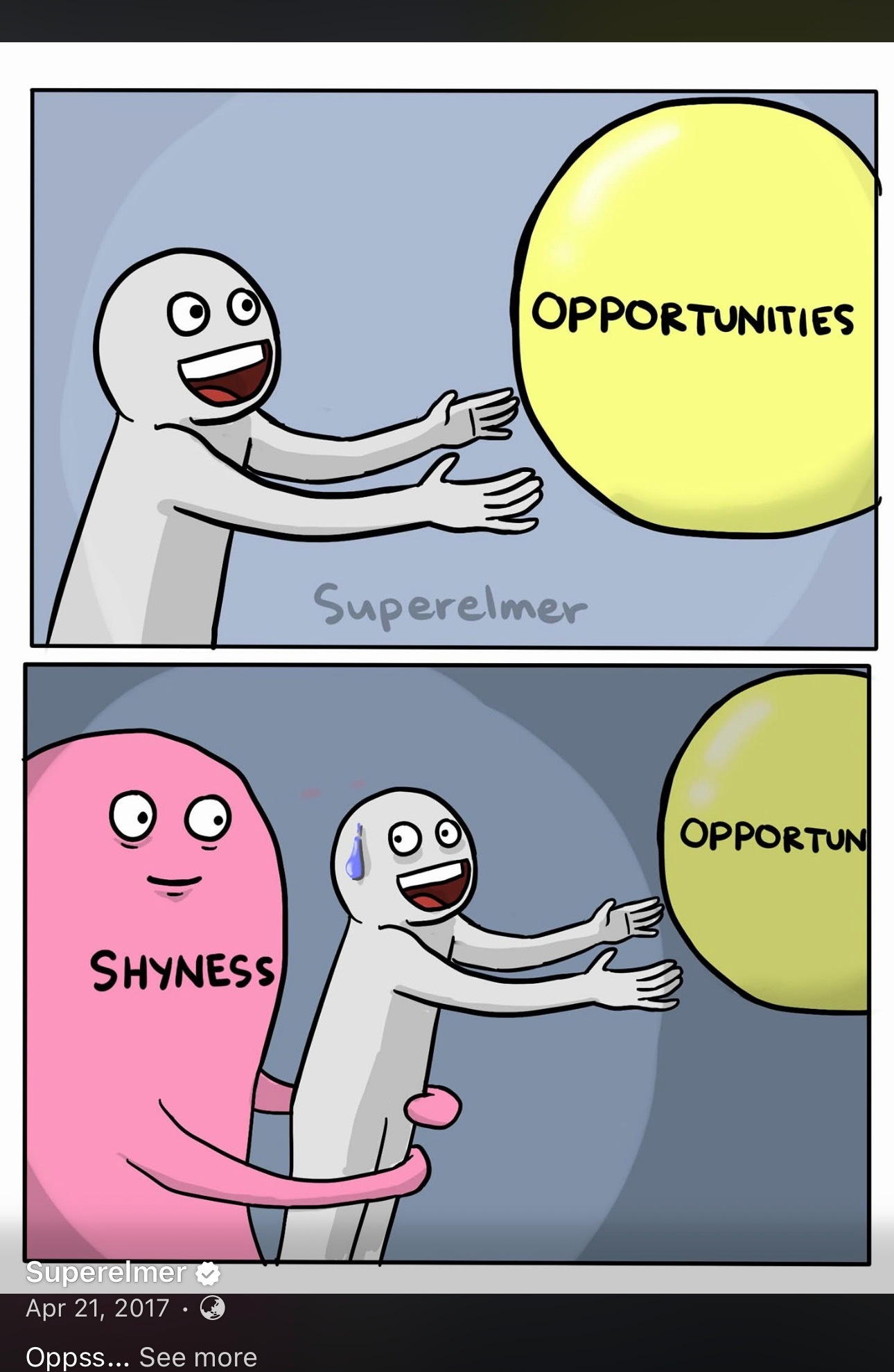
The two-panel comic shows a man chasing a yellow balloon labeled “opportunities,” then endearingly introduces a pink blob character labeled “shyness” in the second frame, which smiles politely while inconveniently holding back the running man from grasping the “opportunities.”
Many people have stolen the template for a meme, with the simple comic spreading on social media.
People invoking the meme often rely on the characters to express their frustrations with their own limitations. Popular examples documented on Know Your Meme include captions joking about how “my face my luck my empty pockets” can keep someone from attracting “pretty girls.” Or how “other project ideas” can get in the way of finishing a “current project”
“I never imagined that such a simple comic would resonate with millions of people or become part of Internet culture. Seeing people remix it, reinterpret it, and use it to express their own ideas is part of what made the comic so special,” Saflor said, and he “never tried to stop people from sharing it or creating memes with it.
“Just because something becomes a meme,” he said, “[that] doesn’t mean the creator loses their rights.”
“Many of the Internet’s most recognizable memes began as someone’s original artwork, photograph, or creative expression,” Saflor said. He thinks that allowing companies to “commercially exploit those works without permission simply because they’ve become popular online” sets a “dangerous precedent,” especially as more AI products seek to exploit copyrighted works at potentially unprecedented scale.
Goldman told Ars that although the copyright meme case is niche, the significance of a win for Saflor could resonate beyond the meme ecosystem and inform some of the biggest AI copyright fights.
It matters that the meme generator’s outputs include actual copies of Saflor’s original work, Goldman said. In some of the most high-stakes AI copyright fights, a “big contention” among model makers that’s key to their defense is that original works are not included in outputs, Goldman pointed out.
“And we’ve seen where the copyright owners are able to replicate identical outputs, that actually makes the cases much higher stakes for the defendants,” Goldman said. “And so at best, this case could possibly have an impact for those cases where the copyright owner has got the smoking guns of original index material coming out identically.”
However, “I don’t even think it’s likely to do that,” Goldman said, since “meme generators are just such a niche because of the fact that they’re memes,” which inherently only work when they’re copied without permission.
“If someone creates a visual image and tells the world, ‘Please make this into a meme,’ that would never work,” Goldman said. “Memes that grow organically from the multiple individual decisions to copy it without permission, so copyright law and meme law don’t really play together very nicely.”
Saflor thinks that AI’s rise in popularity is the perfect time to change that and “recognize that behind every iconic meme is a real creator,” Saflor told Ars. “Respecting copyright encourages creativity and ensures artists aren’t left behind as technology evolves.”
Saflor uses AI tools and does not believe that AI itself is the problem. Goldman pointed out that his arguments against Memes Apps would be largely the same even without the AI aspect. But Saflor considers Memes Apps’ platforms to be examples of irresponsible AI products, where the operators problematically advertise that you can “fire your ad agency” and replace all creative work with a meme generator.
“My goal is simply to protect creators when their work is allegedly commercialized without permission,” Saflor told Ars. “I hope this case helps start a broader conversation about respecting artists’ rights as AI-powered platforms become a bigger part of Internet culture.”