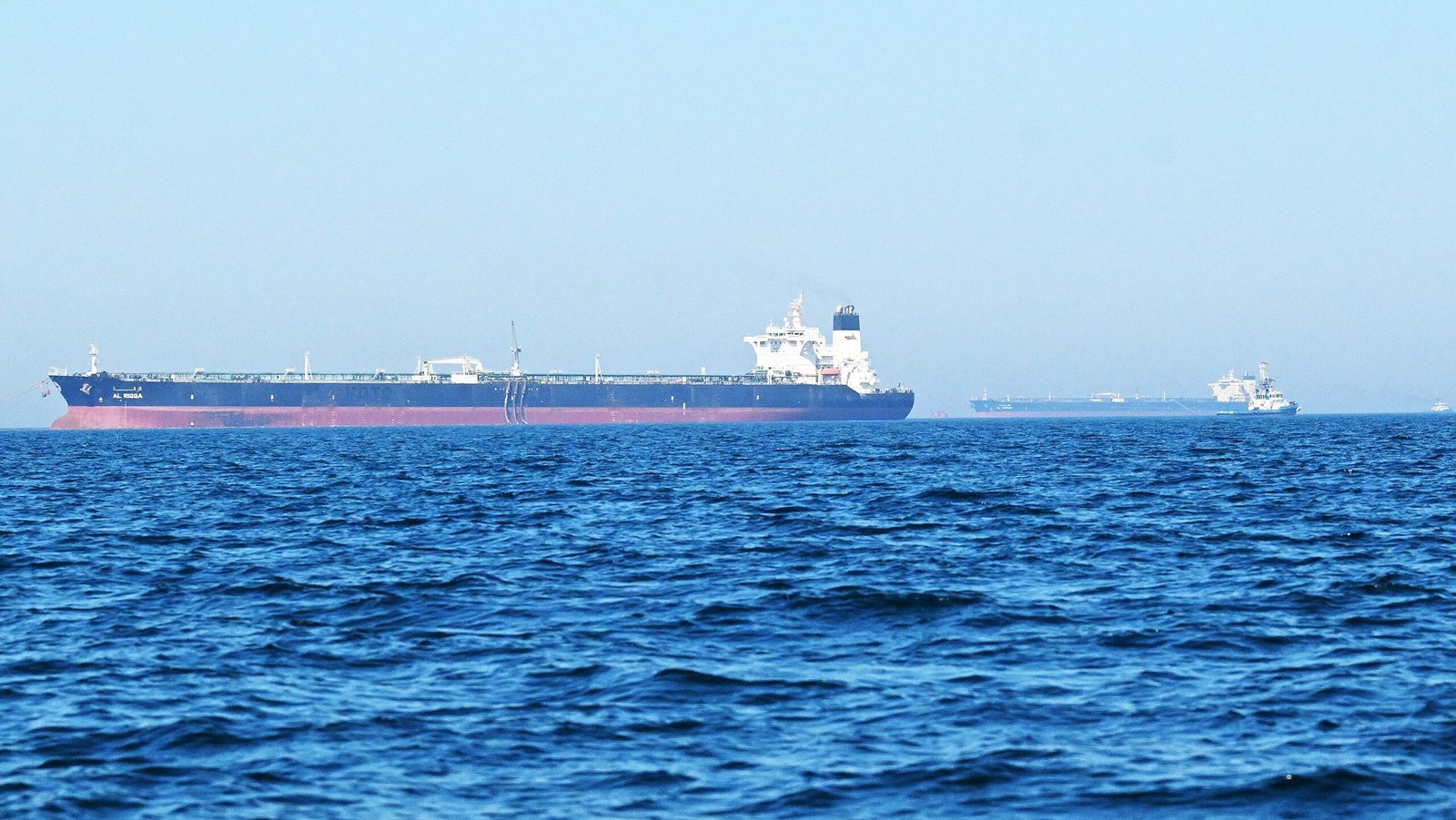
Iran’s Islamic Revolutionary Guard Corps said on Wednesday that regional oil and gas flows could no longer be treated as secure for some countries while Iran faces a US maritime blockade. The warning followed renewed American strikes on Iranian military targets and escalating confrontation around the Strait of Hormuz, a waterway that handled roughly one-fifth of global oil and gas shipments before the conflict.
Tehran also claimed it had carried out attacks against US-linked military facilities in Bahrain, Kuwait and Jordan. Iranian accounts described strikes on command, logistics, fuel and equipment-related sites, though the reported extent of damage remains based largely on Iranian statements and is difficult to independently verify in real time.
The most consequential part of Iran’s message is its implied threat to expand the crisis to other maritime chokepoints. Analysts cited by Reuters say Iran could rely on Yemen’s Houthi movement to menace or shut the Bab-el-Mandeb passage, which links the Red Sea to the Gulf of Aden. Disruption there would endanger shipping connected to the Suez Canal route and Saudi oil exports, adding pressure to energy markets already unsettled by fighting around Hormuz.
Washington says its latest attacks are intended to reduce Iran’s ability to threaten commercial vessels. US officials have accused Iran of attacking seven merchant ships in the previous week, causing deaths, injuries and missing crew members.
The immediate result is a sharper risk of a broader regional shipping emergency: one crisis zone at Hormuz could be compounded by another near the Red Sea, raising transport costs, delaying cargoes and potentially lifting fuel prices internationally.