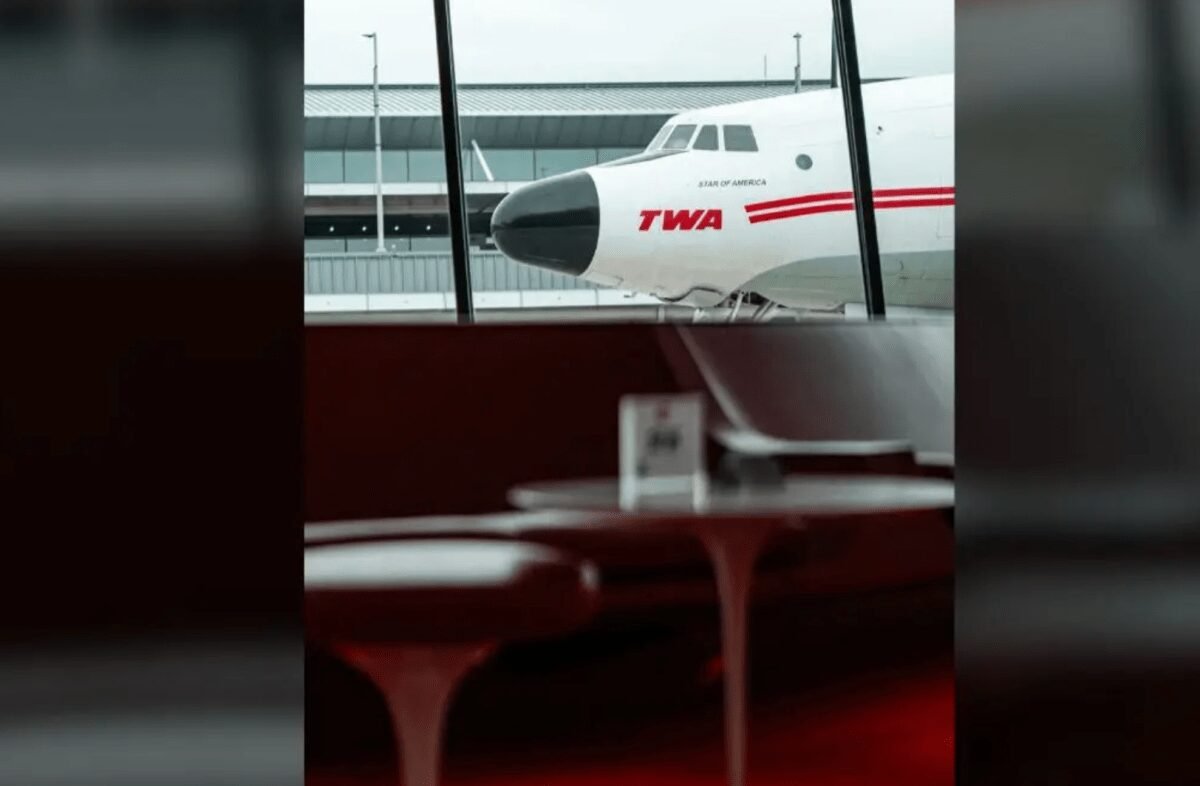
Nearly 30 years after TWA Flight 800 exploded in the sky off Long Island, a new lawsuit is dragging the CIA back into one of America’s most haunting aviation mysteries.
The watchdog group Judicial Watch has sued the spy agency, demanding records about its role in the investigation into the 1996 disaster that killed all 230 people on board.
The Boeing 747 had taken off from New York’s JFK Airport on July 17, 1996, bound for Paris, when it suddenly blew apart over the Atlantic Ocean. The official conclusion blamed a fuel tank explosion caused by a spark.
But for decades, critics, investigators and grieving families have questioned whether the public was ever told the full story.
Now, Judicial Watch says the CIA has failed to answer a Freedom of Information Act request filed on March 25, 2026, asking why the agency was involved in a domestic plane crash probe in the first place.
That question has fueled years of suspicion.
The National Transportation Safety Board normally handles U.S. civil aviation crashes. The CIA, critics argue, would not usually be expected to step into a domestic air disaster unless terrorism, foreign intelligence, or some other national security issue was being examined.
“It’s always been a mystery why the CIA was involved in this case,” one intelligence insider told RadarOnline. “This case could finally provide the answers the devastated families have been seeking for decades.”
The lawsuit is also demanding records about the CIA’s controversial “witness animation,” a video that attempted to explain away the accounts of people who said they saw something streaking upward toward the doomed jet before it exploded.
More than 200 witnesses reportedly described seeing a rising streak of light before the fireball. Some said it looked like a flare. Others believed it resembled a missile with a white smoke trail.
The official explanation dismissed those accounts as optical illusions or misperceptions. But critics have never been satisfied.
Former senior NTSB investigator Henry F. “Hank” Hughes has claimed in a public affidavit that the CIA’s animation misrepresented eyewitness testimony.
The issue was also raised in the documentary TWA Flight 800, where several aviation insiders questioned whether the mechanical failure explanation matched what witnesses said they saw.
TWA investigator Bob Young said those who worked on the case were not allowed to fully discuss their concerns while they were still inside the investigation.
“We weren’t allowed to talk about the TWA 800 investigation when we were inside,” Young said in the documentary. “What witnesses told us doesn’t fit the mechanical failure scenario that was presented to the public.”
Judicial Watch says it wants to know why the CIA got involved, what records the agency has about the crash, and how the witness animation came to be produced.
To skeptics of the official story, the agency’s silence only raises more questions.
“The agency clearly has no interest in addressing these questions, and now they could be forced to in open court,” the insider said. “It smells of a cover-up.”
For the families of the 230 victims, the case reopens a painful chapter that has never truly gone away.
Flight 800 remains one of the deadliest and most controversial aviation disasters in modern U.S. history. And after nearly three decades of unanswered questions, this lawsuit could force one of America’s most secretive agencies to explain what it knew, when it knew it, and why it became involved at all.