Giorgia Valente’s report turns a diplomatic footnote into the main event: The fight over the Strait of Hormuz is no longer only about warships, missiles, or oil tankers, but about the loaded language of “services,” “costs,” and “no charge.” The result is a classic Gulf power struggle conducted through commas, clauses, and public messaging.
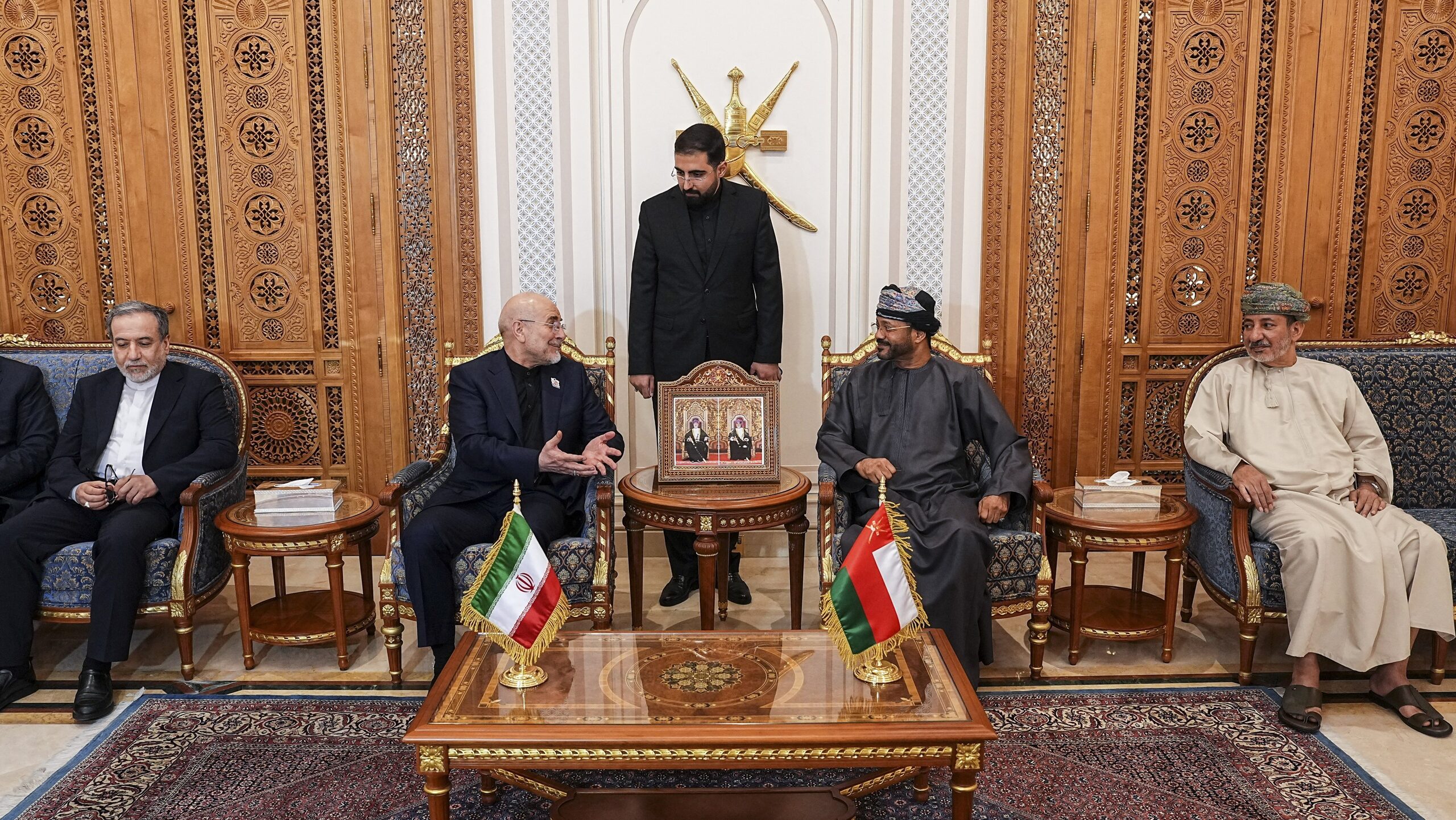
At the center is a fragile US-Iran memorandum saying Iran will use its “best efforts” to ensure commercial passage through Hormuz “with no charge, for 60 days only.” Washington reads that as a clean ban on tolls, fees, insurance costs, or any Iranian-controlled payment system. Tehran, by contrast, appears to see a door left open for future talks over maritime services and associated costs. Oman’s phrasing sits between the two, pairing safe passage and international law with coastal-state sovereignty and regional consultation.
The piece is strongest when it shows why the dispute is not just semantic. Hormuz is one of the world’s most consequential chokepoints, carrying a major share of global oil and liquefied natural gas. A fee by another name could rattle shipping companies, insurers, Gulf states, and military planners. A “service” could be benign, or it could become a mechanism for Iranian leverage.
Trita Parsi of the Quincy Institute argues that Oman and Iran are not announcing tolls, but laying the groundwork for future navigation arrangements. A US Department of State adviser, identified as Willian I., offers the sharper warning: Iran and Washington are selling different stories to different audiences, and the gap is fertile ground for disinformation. His core point is blunt: Iran’s promise not to impose tolls may be real, but it is politically fragile.
Valente also links the Hormuz dispute to the nuclear file, where Iran has accepted inspections in principle while leaving the practical details unresolved. That parallel gives the story its larger shape: The ceasefire framework may be less a settlement than a holding pattern.
Giorgia Valente’s full article explains how a few carefully chosen words could decide whether Hormuz remains an open waterway or becomes the next arena for strategic pressure.