[DAMASCUS] The Islamic State (ISIS) has claimed responsibility for an attack that seriously wounded a senior judicial official in the Damascus countryside, reigniting concerns about the continued presence of the group’s sleeper cells in areas surrounding the Syrian capital.
The attack targeted Salah Ahmad Al-Saleh, head of the Babila courthouse administration, after an explosive device planted in his vehicle detonated in the Daff al-Shawk district south of Damascus on Tuesday.
Al-Saleh sustained severe injuries and was rushed to a hospital for treatment. Local sources said the blast was powerful enough to result in the amputation of one of his legs. The explosion also caused extensive damage to the vehicle.
In the hours following the attack, Syrian security forces cordoned off the area and launched an investigation, collecting evidence and reviewing surveillance camera footage in an effort to identify the perpetrators and determine whether a broader network was involved.
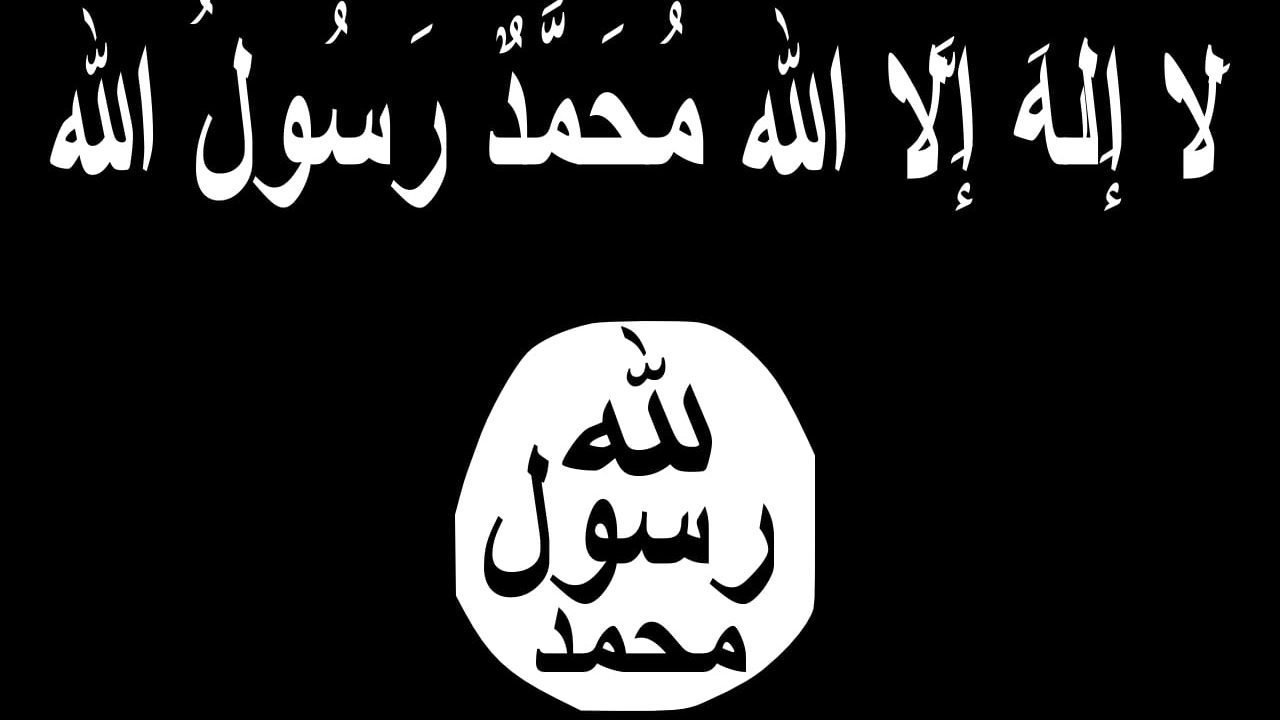
Less than 24 hours after the bombing, ISIS claimed responsibility through its media channels, saying its fighters had targeted the judicial official using a sticky bomb attached to his car. The statement marked the first official confirmation linking the militant group to the attack after widespread speculation over who was behind it.
The Syrian government has not publicly commented on the ISIS claim.
Speaking to The Media Line, jihadist groups expert Orabi Orabi said the attack carries particular significance because of the victim’s position within Syria’s judicial system.
“Targeting a judicial figure differs from attacks against military or security officials,” Orabi said. “It sends a message aimed at state institutions and those working within them.”
According to Orabi, the choice of a civilian government official suggests that the perpetrators sought to create an impact extending beyond the immediate casualties.
“The operation appears intended to generate fear and demonstrate the ability of militant cells to reach government-linked figures even in areas subject to strict security measures,” he added.
Babila is located in the southern Damascus countryside, an area that has undergone major political and security changes since reconciliation agreements in 2018 ended the presence of armed opposition factions there. Since then, parts of the Damascus countryside have witnessed sporadic assassinations and security incidents targeting local officials, civilians, and military personnel.
Although ISIS has suffered major setbacks since the collapse of its self-declared caliphate between 2014 and 2017, the group continues to maintain clandestine cells across several parts of Syria, particularly in the Syrian desert as well as in eastern and southern regions of the country.
These cells typically rely on guerrilla-style tactics, including targeted assassinations, improvised explosive devices, and limited-scale attacks, rather than attempts to seize and hold territory.
In recent months, Syrian security agencies and local forces have conducted multiple operations aimed at dismantling suspected ISIS networks and arresting individuals accused of providing logistical support to the group. The campaigns are part of broader efforts to prevent ISIS from rebuilding its organizational structure or regaining the capacity to launch large-scale attacks.
Analysts say ISIS’ decision to publicly claim responsibility reflects the group’s desire to remain relevant, demonstrate operational reach and reinforce its image as an active insurgent force despite years of military defeats.
The incident also highlights the persistent challenge posed by sleeper cells, which operate covertly, avoid direct confrontation, and are often difficult for security forces to detect before attacks occur.
Authorities continue to investigate the bombing, while additional security measures are expected to be implemented in the area to prevent similar attacks.