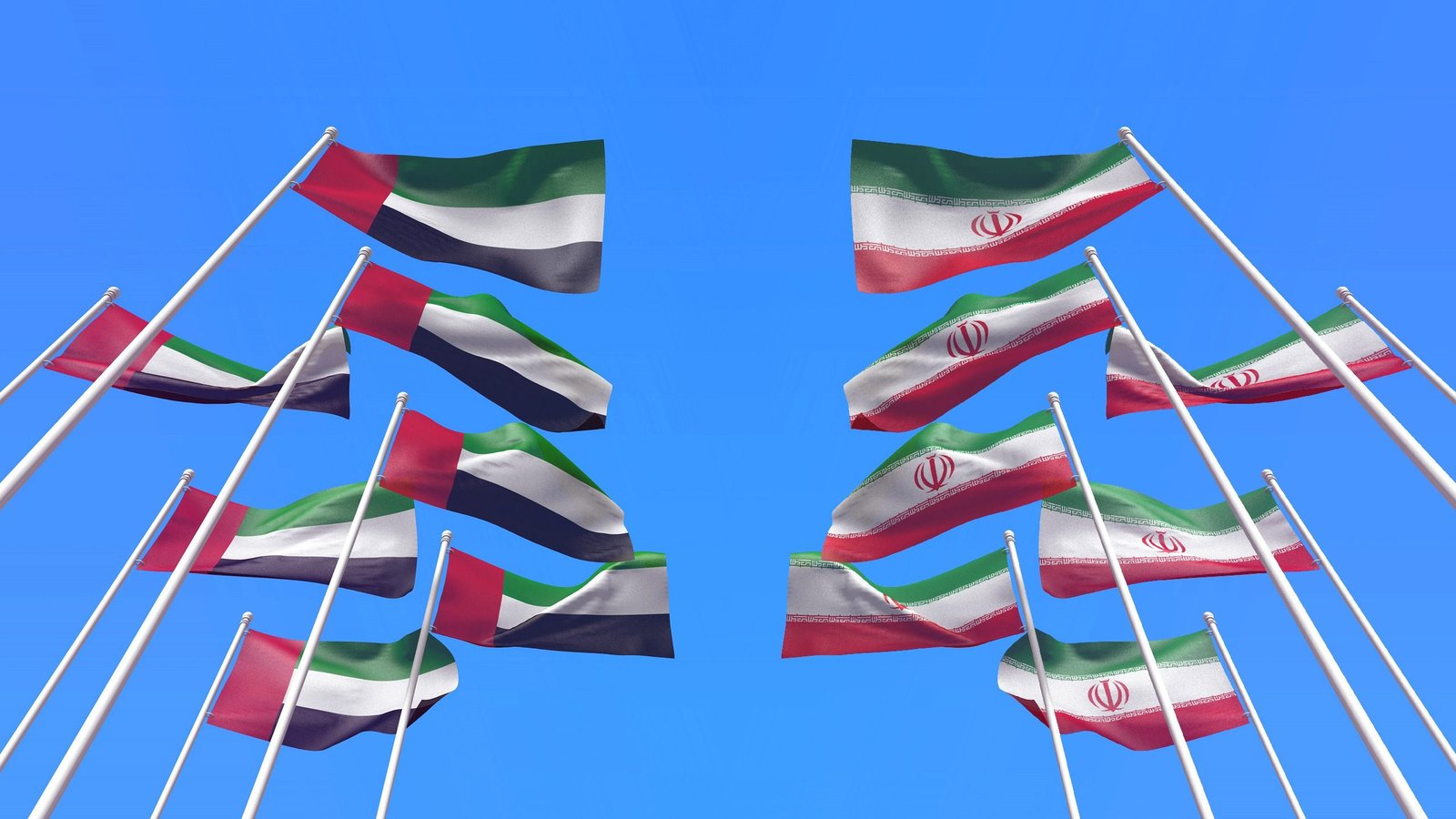
Senior security officials from the United Arab Emirates and Iran met face-to-face for the first time since the regional conflict began in late February.
The meeting marked what Bloomberg described as a “stark turnaround” in relations between the two countries. The discussions came as the UAE seeks to preserve economic and strategic interests that were affected by the war.
UAE leaders pushed for the talks as they work to maintain plans for investing billions of dollars in expanded oil production and artificial intelligence data centers. The relationship also carries significant importance for Tehran Before the conflict, the UAE was among Iran’s largest trading partners and served as a major conduit for sanctioned Iranian oil exports, Bloomberg reported.
The renewed diplomatic engagement follows a period of direct confrontation between the two countries. Iran launched more drones and missiles at the United Arab Emirates than at any other country. The attacks caused extensive damage to energy facilities, ports, and tourism infrastructure and killed 13 people.
Most of the incoming projectiles were intercepted by Western-supplied air defense systems. The attacks nevertheless prompted retaliatory strikes by the UAE against Iran.
The two countries also remain divided over regional alliances. In 2020, the UAE established diplomatic relations with Israel through the Abraham Accords, aligning itself with one of Iran’s principal regional adversaries.
Sources cited by Bloomberg said the UAE’s effort to pursue détente was driven largely by a desire to rebuild relations with a state it continues to regard as an enemy but does not expect to experience regime change.
The outreach reflects a broader regional trend among Gulf states seeking to reduce tensions with Tehran through diplomacy. The UAE now appears to be pursuing an approach similar to that of Qatar and Saudi Arabia, both of which have faced attacks by Iran and Iranian-backed proxies but have sought diplomatic channels to ease regional tensions.