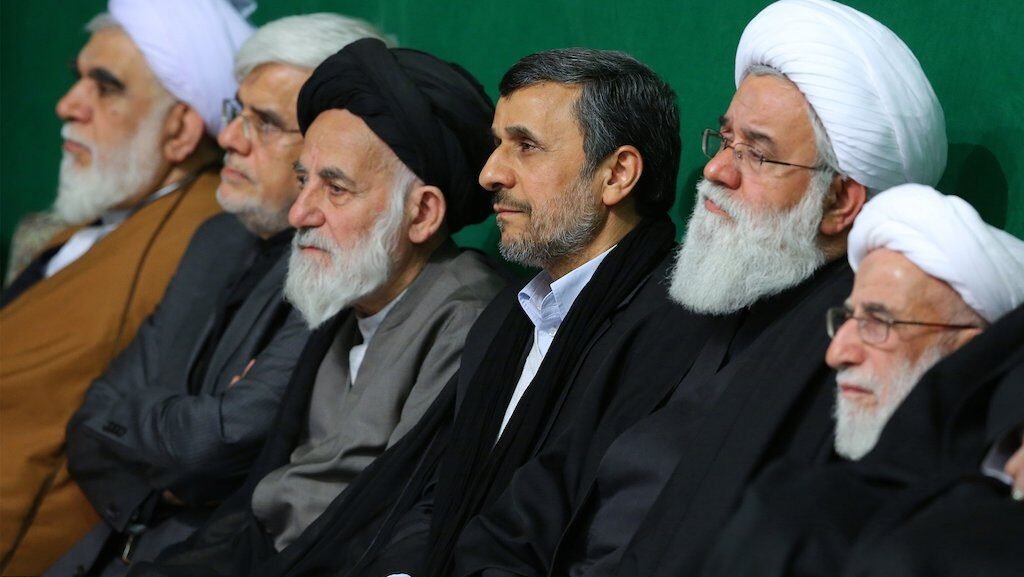
An Israeli-developed wartime plan envisioned former Iranian President Mahmoud Ahmadinejad becoming Iran’s leader after the killing of Supreme Leader Ali Khamenei and other senior officials during the opening phase of the US-Israel war against Tehran, according to a New York Times report cited by Israeli media. The reported plan placed one of Israel’s most notorious former enemies in a startling new role: possible post-Khamenei transitional figure.
According to the report, Israel’s plan involved a multiphase campaign that began with US and Israeli strikes on senior Iranian officials, followed by an expected Kurdish push against Tehran that never took place. Israeli planners reportedly believed the combined pressure could damage core infrastructure, fracture the regime, and create room for an alternative government.
Ahmadinejad would have been an unlikely choice, to put it mildly. As president from 2005 to 2013, he became infamous abroad for Holocaust denial, fierce hostility toward Israel, support for Iran’s nuclear program, and confrontational rhetoric toward the West. NDTV described him as a figure remembered by many as a Holocaust denier and nuclear hard-liner who pushed revolutionary ideology on a public already exhausted by it.
Yet Ahmadinejad’s later career made the picture more complicated. After leaving office, he repeatedly clashed with Iran’s ruling establishment, criticized the government, and was blocked by the Guardian Council from running again for president. The Atlantic wrote in March that Ahmadinejad had spent more than a decade known more as an internal opponent of the regime than as a loyalist.
That strange political afterlife may help explain why planners reportedly considered him useful. He was still recognizable to Iranians, still had a political network, and still carried revolutionary credentials, even as he had become alienated from the clerical-security establishment that pushed him aside.
The New York Times reported that Ahmadinejad had been consulted about the plan but became wary after being wounded in an Israeli strike in Tehran. Earlier reporting by The Atlantic said a February 28 strike near Ahmadinejad’s home in Narmak, northeast Tehran, killed several of his bodyguards and allowed him and his family to escape regime restrictions and go underground. His current location remains unclear.
Neither Israel nor the United States publicly confirmed the reported regime-change plan. White House spokeswoman Anna Kelly described the war’s goals in military terms, telling The New York Times: “From the outset, President Trump was clear about his goals for Operation Epic Fury: destroy Iran’s ballistic missiles, dismantle their production facilities, sink their navy, and weaken their proxy.”
“The United States military met or exceeded all of its objectives, and now, our negotiators are working to make a deal that would end Iran’s nuclear capabilities for good,” Kelly said.
The report adds another layer to questions about the aims of the campaign against Iran. Israel and the United States have long sought to weaken Tehran’s nuclear program, missile forces, and regional network of armed partners. The reported Ahmadinejad plan suggests that some Israeli planners also considered what might follow Khamenei’s death, even if the political gamble never materialized.