When Windows 11 launched in 2021, we mostly liked its refreshed look—the rounded corners and menus with just a hint of translucency were a nice change from the flat colors and hard corners of the Windows 8/10 era. But its reformulated taskbar and Start menu came with a number of functional regressions from the versions in Windows 10. Some of these were addressed quickly; others continue to linger.
A new Windows Insider Preview build released to testers includes a new wave of improvements that fix longstanding regressions while trying out new things.
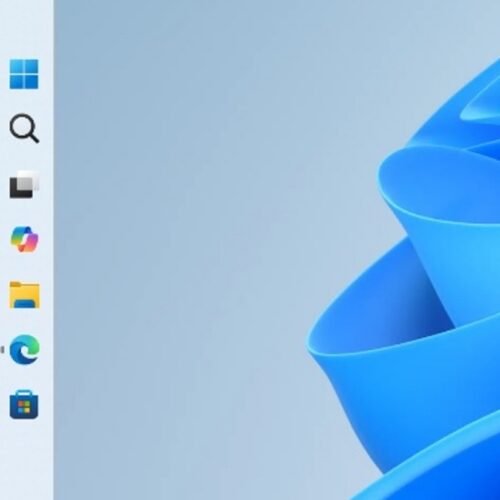
Most significantly, the Windows 11 taskbar can now be docked to any edge of your screen, including the left and right, something that was possible in Windows 10 (and many older versions of Windows) but has been missing from Windows 11 since launch. Users can configure slightly different taskbar behavior for every taskbar position—if you prefer a different icon alignment or a left/right-mounted taskbar over a top/bottom-mounted taskbar, or if you want different settings for labels and icon groupings, you can choose different options for each position and Windows will remember them.
Microsoft says there are several features that haven’t been implemented yet—the taskbar won’t auto-hide in any of the alternate positions, and the “tablet-optimized taskbar” with larger, more finger-friendly icon sizes and spacing also isn’t supported. Touch gestures and the Search box also aren’t supported. All of these features are coming at some point; they just aren’t ready now. Microsoft is “evaluating additional features like different taskbar positions per monitor” for multi-monitor setups.
Another change Microsoft is testing makes the taskbar and all its icons smaller, a change designed to increase the amount of vertical space available on smaller screens without requiring users to fully hide the taskbar.
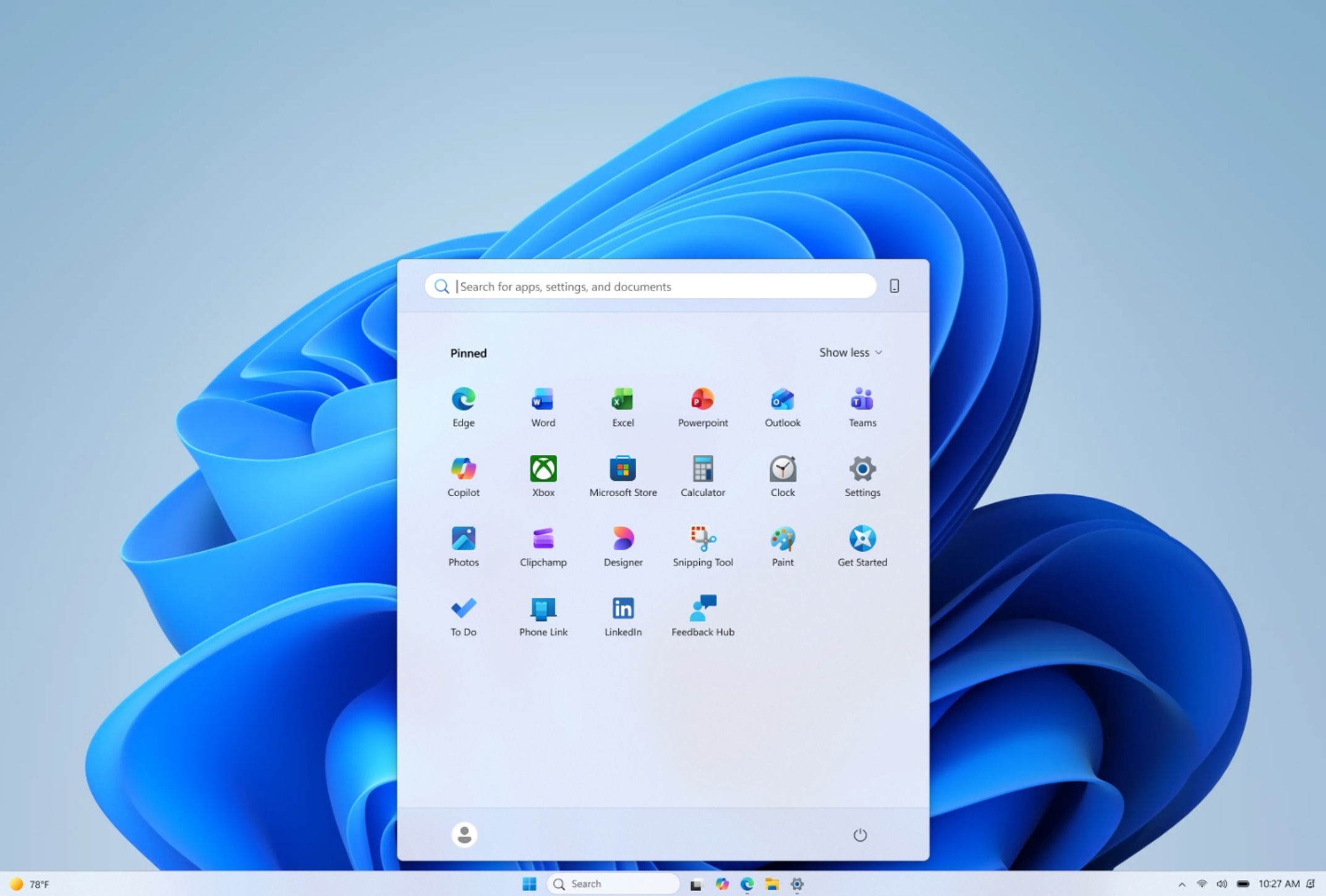
Microsoft is also making a handful of changes to the Start menu, including a user-selectable size setting (previously, the menu would increase and decrease in size dynamically based on the size of your display). Each section of the Start menu (the pinned apps section, the “recommended” section, and the “all apps” section) will be individually toggleable. And users will be allowed to hide “recommended” apps advertised from the Microsoft store while still being able to see jump lists and recent files in the File Explorer. Users who decide to keep the “recommended” apps section visible should also benefit from “improv[ed] file relevancy” that “better reflect[s] what you have been working on.”
Some of these changes are available in the current Windows Insider Preview builds in the Experimental channel (which replaced the Canary and Dev channels in Microsoft’s latest beta program shake-up). Others will be released “over the coming weeks,” at which point more polished and refined versions will presumably come to the Beta channel and, eventually, the public version of Windows 11. All of these changes are being made as part of Microsoft’s continued “commitment to Windows quality” push, meant to address several of the real and perceived shortcomings of Windows 11 relative to older versions.