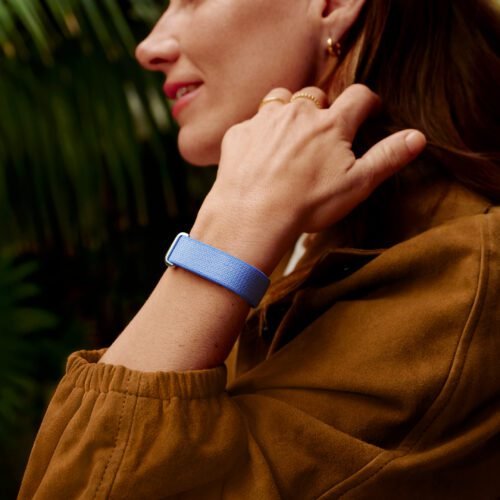
Wearables have really come full circle. The early Fitbits didn’t have screens, but the move to smartwatches put a screen on everyone’s wrist. Now, devices like Whoop and Hume are designed as data trackers first and foremost without so much as a clock. Google’s newest wearable jumps on that trend: The Fitbit Air doesn’t have a screen, but it does have a suite of health sensors that pipe data into the new Google Health app. And if you want, Google has a new AI-powered health coach in the app ready to tell you what that data means (maybe).
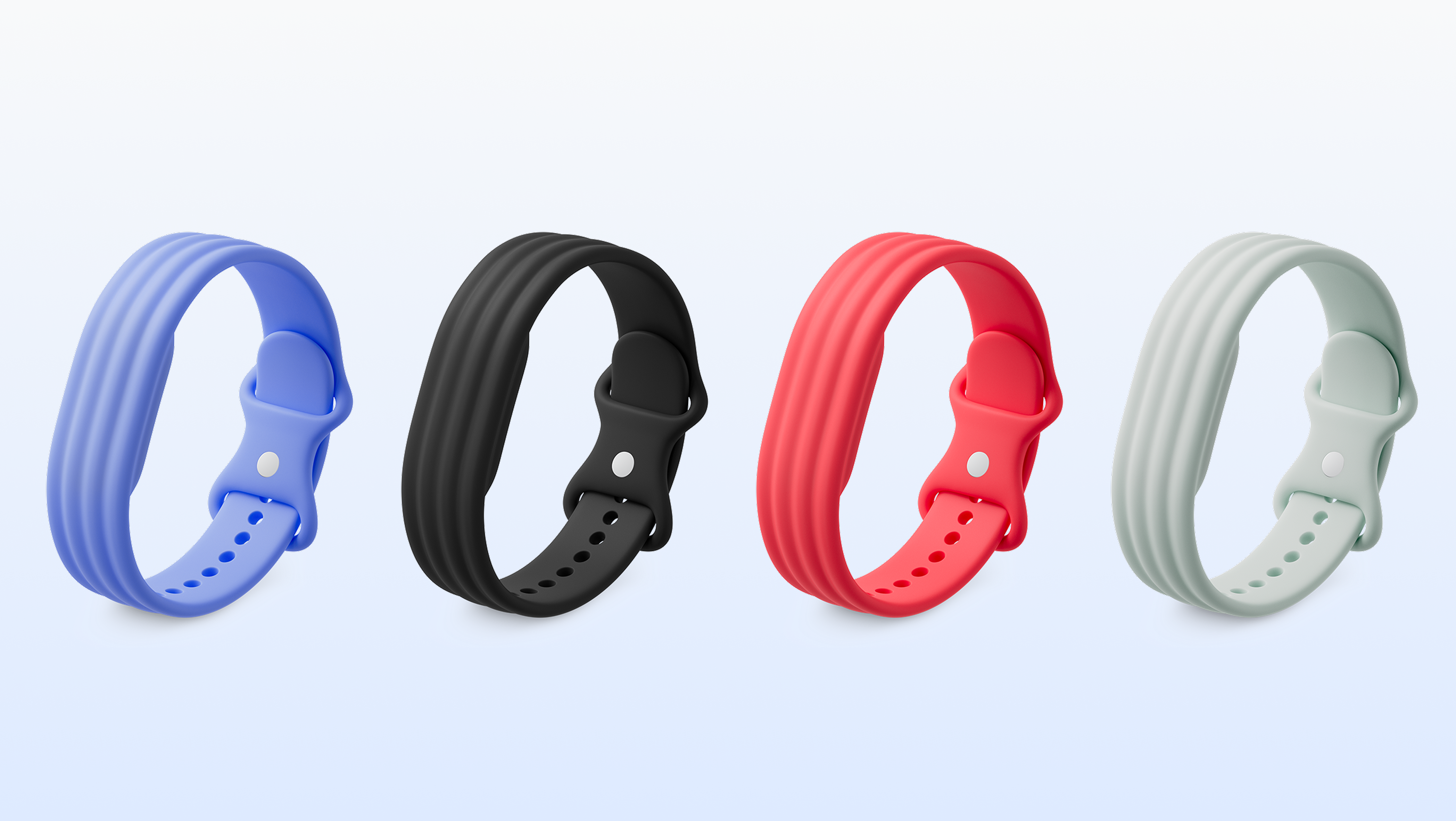
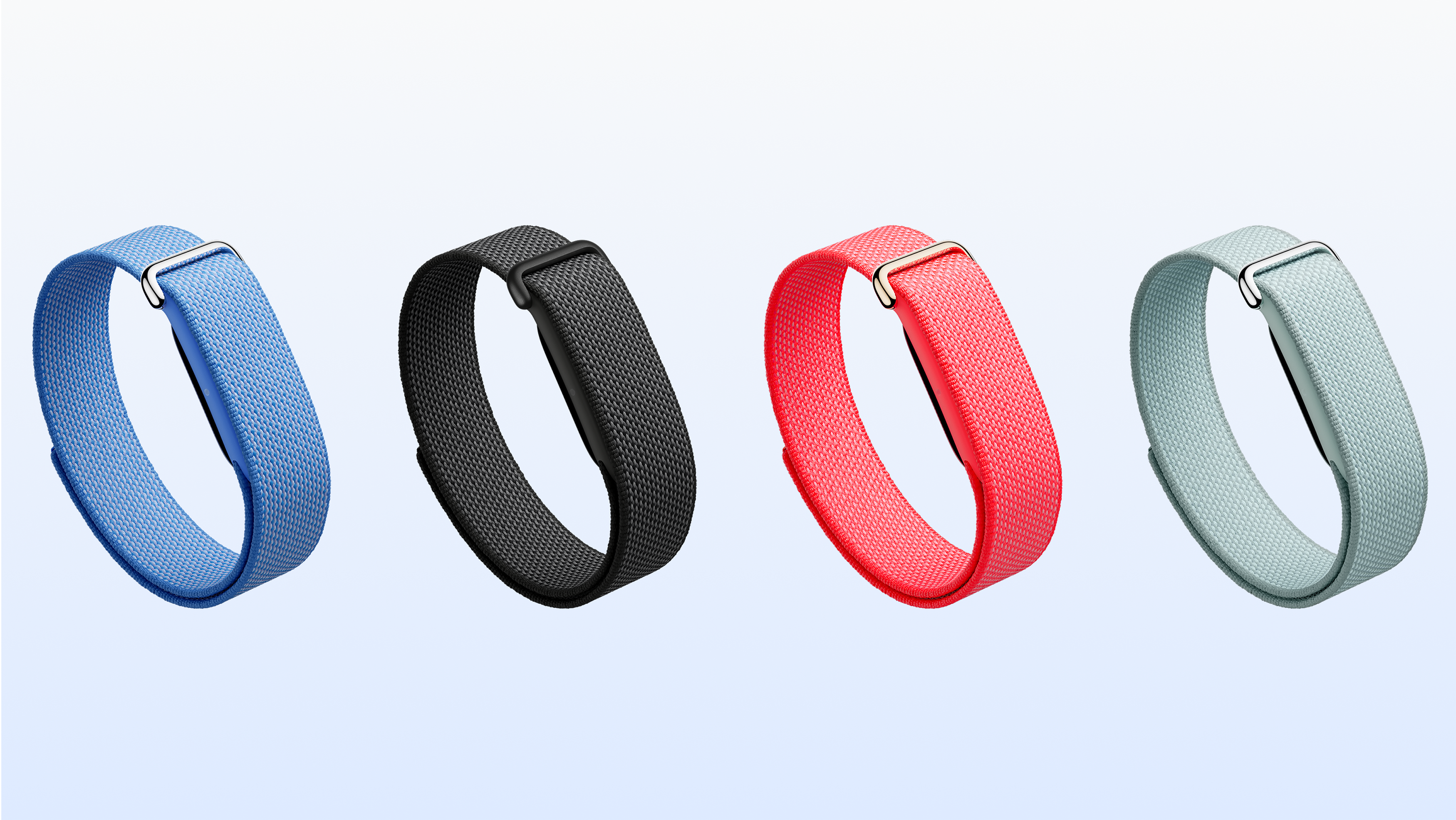
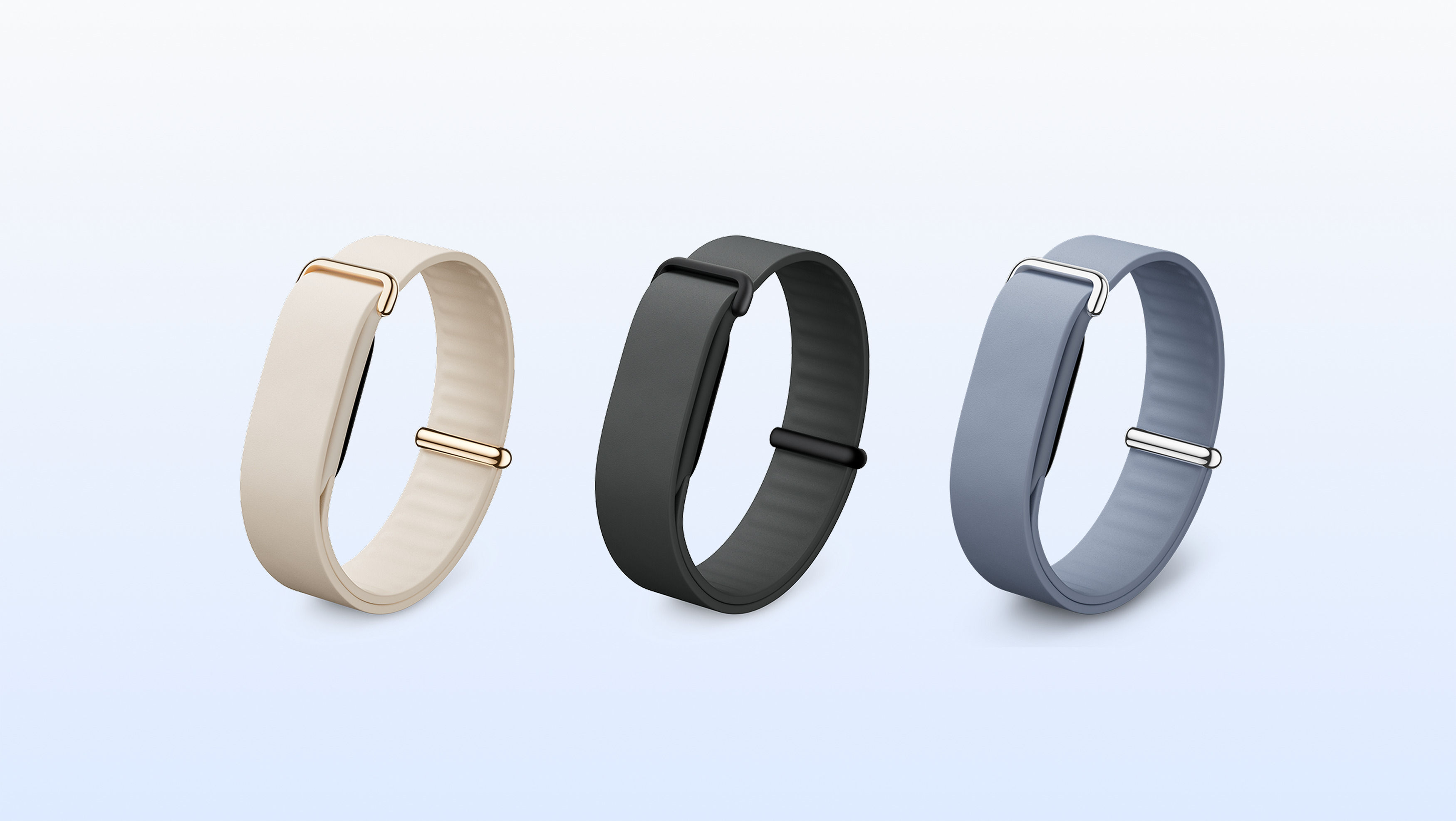
The Fitbit Air itself is a small plastic puck about 1.4 inches long and 0.7 inches wide. It slots into various bands that hold the bottom-mounted sensors against your wrist. There’s no display pointing upward, so the entire device is covered by the fabric or plastic of the band. It’s a streamlined and potentially stylish look—in uncharacteristic fashion, Google has plenty of colors and style options available, including a special-edition Steph Curry version. You may have heard chatter about Curry being seen teasing a new screenless Fitbit, and this is it.
Smartwatches never quite became a must-have device—plenty of people have them, but we don’t all wear them all the time because they need to be charged often and aren’t always very comfortable. The screenless Fitbit Air doesn’t have those issues. Google says it lasts about a week on a charge, and it does that while collecting continuous health data. It can even store a day of data without being connected to your phone.
While the Pixel Watch is very comfortable for a smartwatch, Google still wants to make it easier for people to keep collecting data all day and night. The company says that product testers rated the Air as more comfortable than competing devices, so you may actually be willing to wear it to bed for sleep tracking. You don’t have to choose between these devices, either. You can keep a Pixel Watch and Fitbit Air paired with your phone and wear whichever one you want over time. This capability will come to more wearable devices in the near future, too.
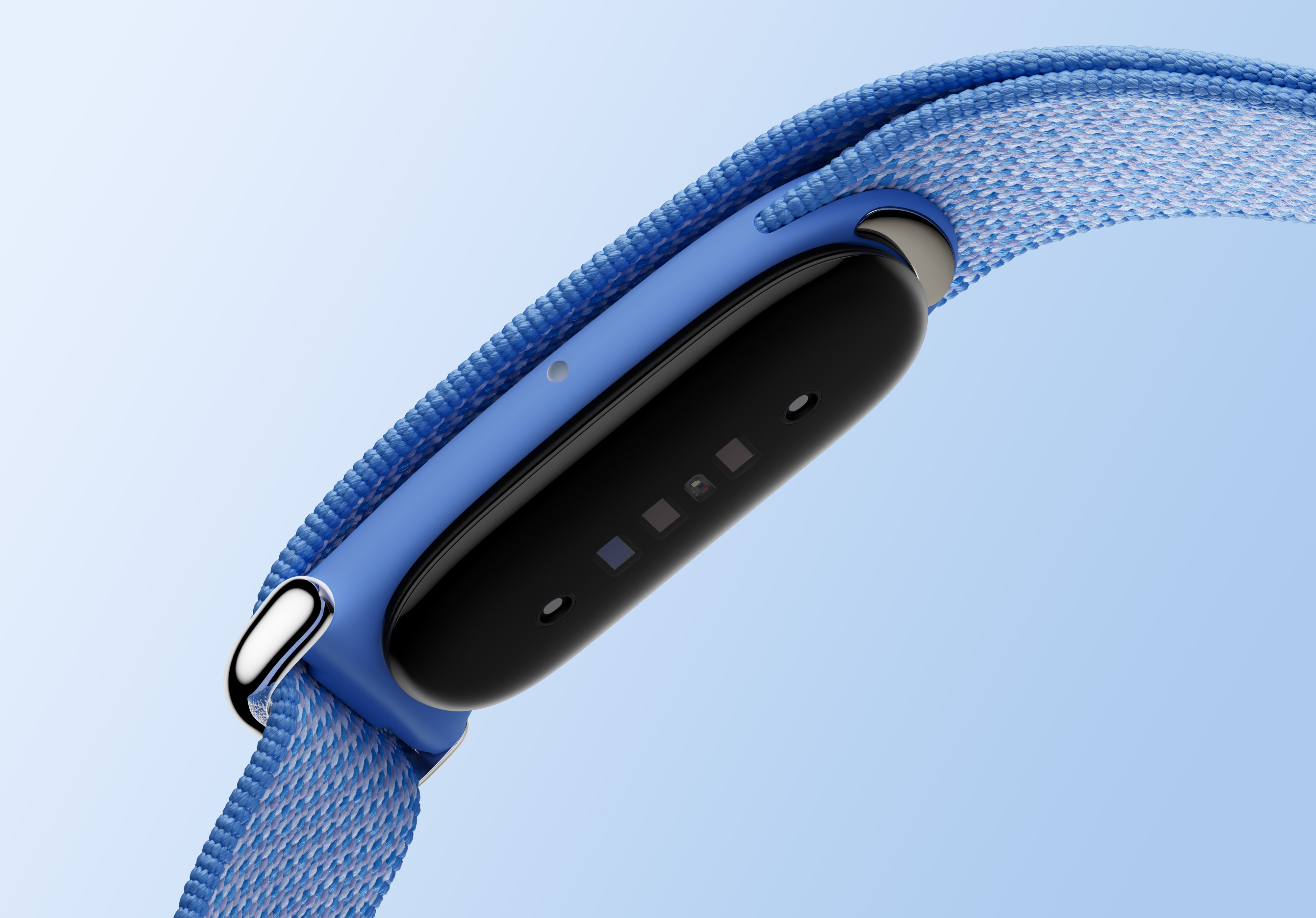
The Fitbit Air will have all the standard wearable health sensors: heart rate, accelerometer/gyroscope, infrared SpO2, and skin temperature. Google notes that the heart rate monitor isn’t as advanced as the one in the latest Pixel Watches, so the Air might not be as accurate during vigorous activity. The Air also has a vibration motor that can be used for alarms, but it’s not going to buzz for phone notifications like a smartwatch.
The Fitbit Air launches on May 26 for $99.99 with the included Performance Loop band. There are also silicone Performance Loop and Elevated Modern Band options. Bands start at $34.99 and come in a variety of colors. A Fitbit Air purchase also includes three months of Google Health Premium (replacing Fitbit Premium), which now features Google’s new AI Health Coach.
Goodbye, Fitbit… Hello, Google Health
The Fitbit app is getting a major makeover and a new name. An update in the coming weeks will transform that app into Google Health, featuring a new interface with a more extensive Material Expressive aesthetic and redesigned menus and tabs. You also won’t see Fitbit branding in as many places—the Fitbit Premium subscription will become Google Health Premium.
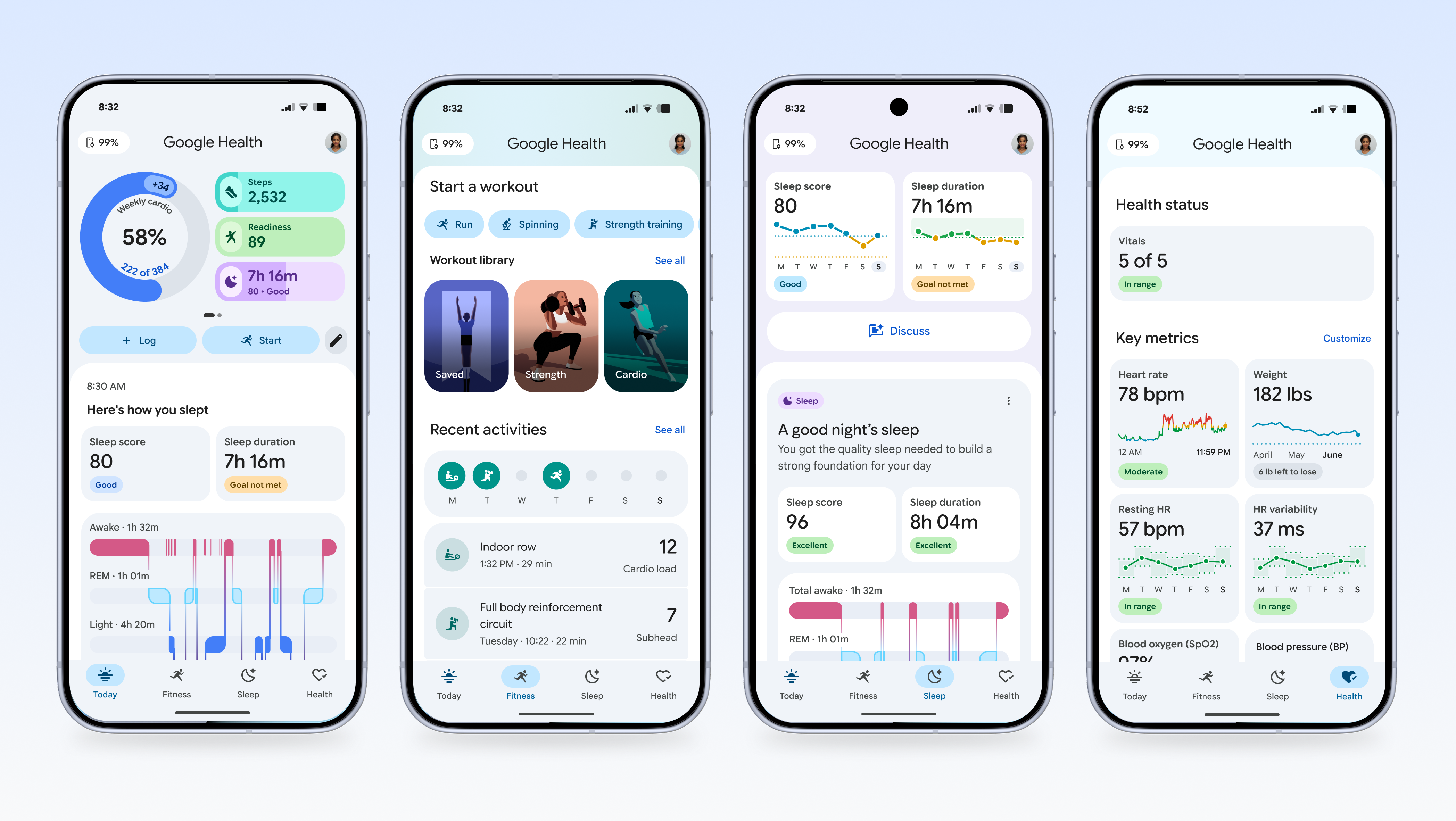
Without a subscription, the app still does all the basic things, like tracking your health stats, automatically logging workouts, and showing it all in a pretty dashboard. With the Premium subscription, you get all the features from Fitbit Premium plus the new AI Health Coach. It’s a chatbot, so you can ask it about any health or wellness topics, and the answers are grounded by your health data.
Google suggests asking the Health Coach for customized workout routines or exploring health concerns. The robot can theoretically use your accumulated health metrics, like workouts, nutrition, and sleep, to provide better suggestions. You can even upload a picture of food to Health Coach and have it automatically logged in the app.
This Health Coach AI was built on Gemini, but it has been tuned differently from the normal frontier model. According to Google, it used a panel of health experts and extensive user studies to validate the Health Coach model. Steph Curry and his “performance team” also had input on how the Health Coach responds.
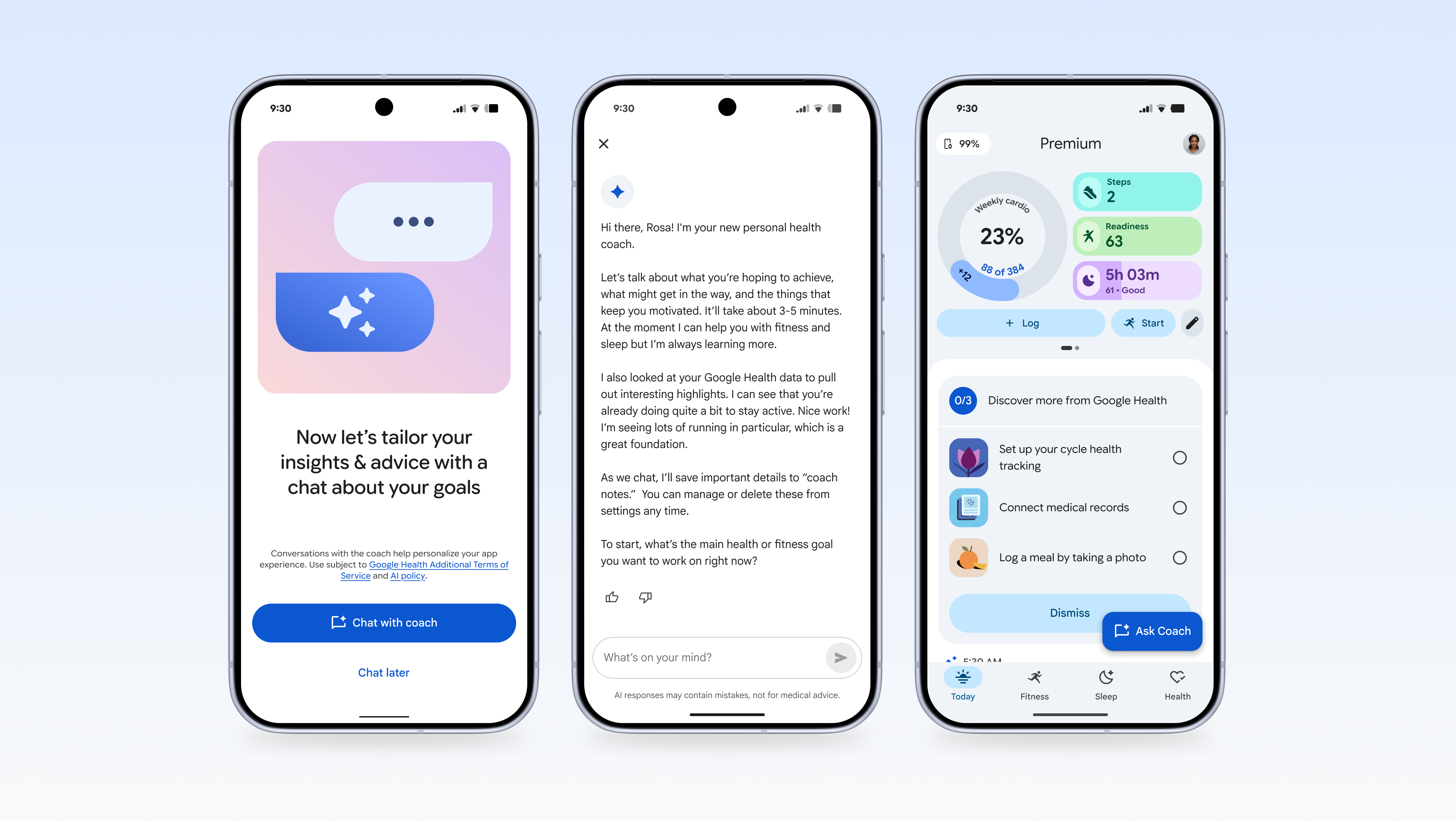
We won’t know how useful the coach is until it begins rolling out later this month, but the idea is that it will be more useful the more data is piped in from your wearable. Naturally, health data is extremely sensitive, and Google is asking you to dump a lot of it into a cloud-based AI model. Google says it will never use this data for advertising, which has been the case in all its previous health endeavors. In the AI era, it has further stipulated that it won’t use your health data for AI training unless you choose to do that. There will be an opt-in toggle in the settings to contribute data for training, but it’s unclear why anyone would do that.
Like the retired Fitbit Premium, the new Google Health Premium will be available for $10 per month or $100 per year. It’s also included if you’re already paying for AI Pro or AI Ultra. If you choose to skip the subscription, you can continue to use your Fitbit and Google wearables in the new app with the same basic stat tracking features. And what of Fit, that other Google-branded health tracking app? Fit will be shutting down later this year, at which time users will have to migrate their data to Google Health.