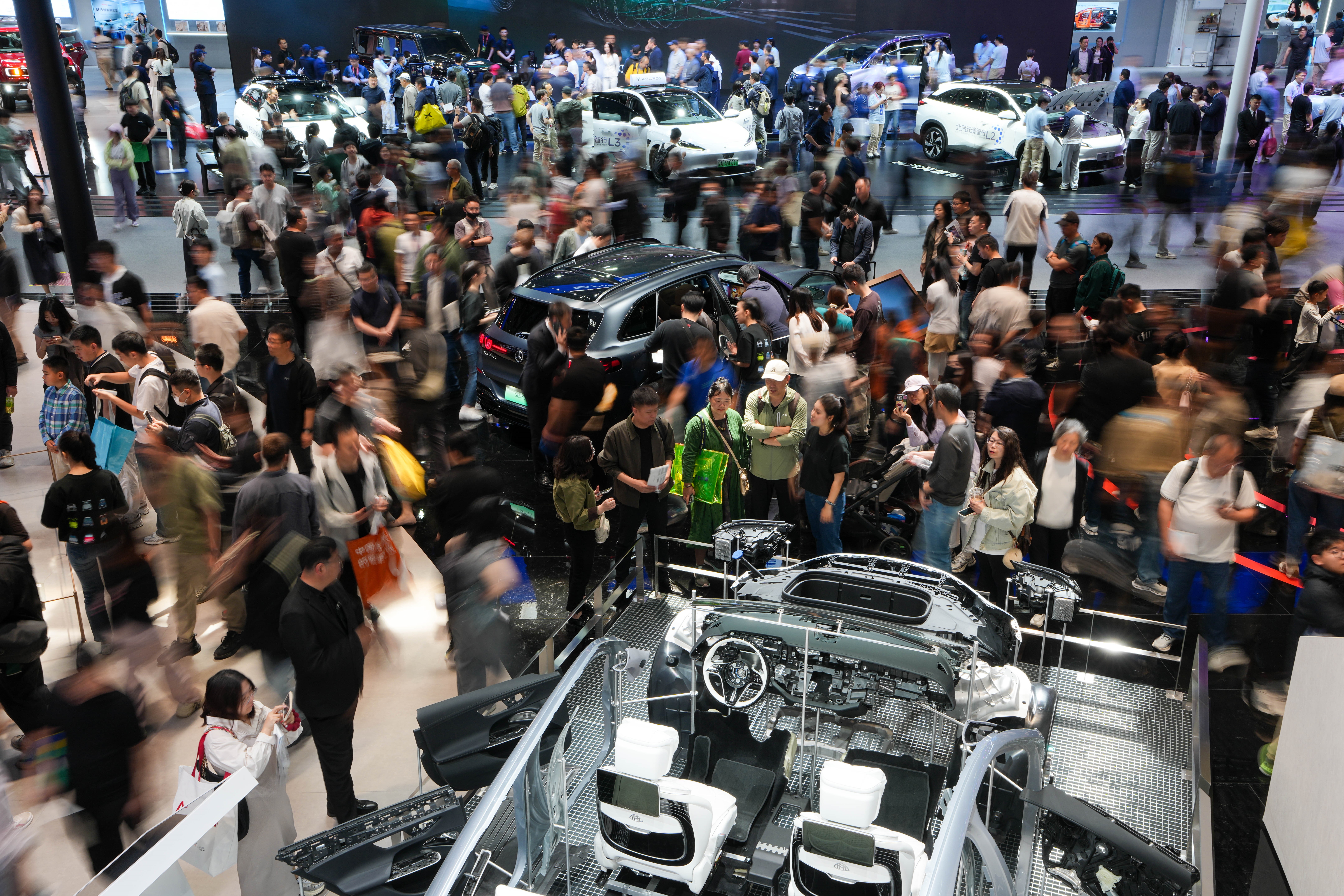
The Beijing Auto Show is currently taking place in China, offering those of us behind the Trump tariff curtain a peek at what’s increasingly being dubbed the world’s most advanced car market. Chinese EVs leave everyone else in the dust, we’re told, with infotainment that makes your smartphone look like a StarTac, range numbers that would make a turbodiesel Audi weep, and charging that might be even faster than filling up with gas, depending on the size of your tank.
As an American, I mostly have to take someone else’s word for that. If there’s one thing Democratic politicians can agree on with Republicans, even now, it’s that they don’t want cars from Chinese automakers on US roads. Toward the end of his administration, President Joe Biden levied a 100 percent tariff on Chinese EVs. Under the Biden and then Trump administrations, Congress passed a law restricting the sale of Chinese-linked connected car software in the US. President Trump has added further tariffs to Chinese imports, making their cars even less competitive here. And just this week, more than 70 Democratic representatives called for maintaining barriers to Chinese cars for both national security and economic reasons.
This puts those elected officials increasingly out of step with popular sentiment on the Internet (I’m using the Ars comments and social media platform Bluesky as my bellwethers). From what I can see, there’s strong appetite for those sweet, cheap Chinese electric vehicles. Headlines like Reuters’ claim that “[f]or the average price of a car in the US, you could buy 5 new Chinese EVs” only reinforce that sentiment.
And why wouldn’t people want them? The average price of a new vehicle in the US in 2025 rose to $50,326 by year’s end. That’s up from ~$40,000 in 2020 and $35,000 in 2015. (Those numbers are for the mean; the medians are slightly less, but the difference is not great.)
Despite the sharp increase in 2020 caused by the pandemic and its associated supply shortages, average sales prices appear to have risen relatively linearly over time, according to Cox Automotive’s data set. And according to Federal Reserve data, wages have also grown steadily (much of it in the lower four quintiles during the Biden administration).
But for most of the 2010s, interest rates were zero or close to it; today, they very much are not. So financed purchases feel even more expensive than the raw inflation statistics would suggest. And it’s exacerbating as, according to the Fed, American car buyers are borrowing twice as much as they did in 2009, and for longer. Consumer advice orgs like Edmunds might suggest a 60-month loan, but many car buyers are now financing vehicles over 72 or 84 months to keep their monthly payments down.
No wonder buying a car feels increasingly unaffordable.
Some of the concerns are legitimate
Much of the opposition from lawmakers has been framed in terms of protecting domestic jobs. These are not entirely spurious fears: 952,000 people work in motor vehicle and parts manufacturing in the US, according to the Bureau of Labor Statistics. Some work for Ford and General Motors and the cluster of Stellantis brands we still think of as domestic. But European, Japanese, and Korean automakers also employ tens of thousands of workers, not to mention Tesla and the other startups. There’s even more work for suppliers further up the parts chain.
Those jobs are indeed at risk if China were to flood the US with cheap imports. China has been directly subsidizing its green industries to dominate those in Europe and the US (above and beyond the kinds of consumer-facing incentives that the EU and, until recently, the US, also provide). But the advantages of the Chinese car industry go far beyond that. Chinese average wages are a quarter of those in the US, and being able to throw more workers at a factory while still keeping overheads lower than your rivals gives Chinese OEMs a cost advantage. Even more favorable financing terms with suppliers, or not having to pay to license foreign intellectual property, gives them a real boost, according to analysts.
That’s why the European Central Bank blamed Chinese competition for causing 240,000 job losses, many of them in the auto industry. There’s plenty of alarm sounding from industry executives right now, too. Ford CEO Jim Farley, who spent months driving Chinese cars daily, said last week that there’s enough excess capacity in China’s car industry to easily swallow the 12 million or so cars currently bought each year in the US. And Koji Sato, outgoing president and CEO at Toyota, warned last month that Japanese automakers were doomed unless they could learn to match the speed of innovation of their new Chinese competitors.
The other stated reason for blocking Chinese cars is the threat to privacy and national security. Again, there are valid concerns here. Just ask the Chinese government, which stopped allowing Teslas to drive near its military bases and other sensitive locations more than five years ago, although that ban was recently dropped after Tesla began complying with Chinese data-security rules. Among those rules? For almost a decade, Chinese automakers have had to hand over copious amounts of data on their customers’ driving habits to their government.
Are we getting the whole story?
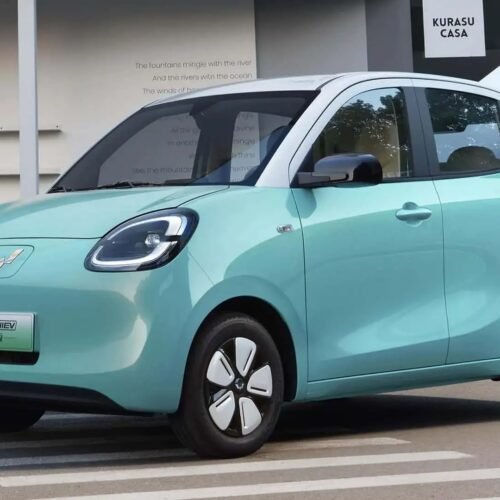
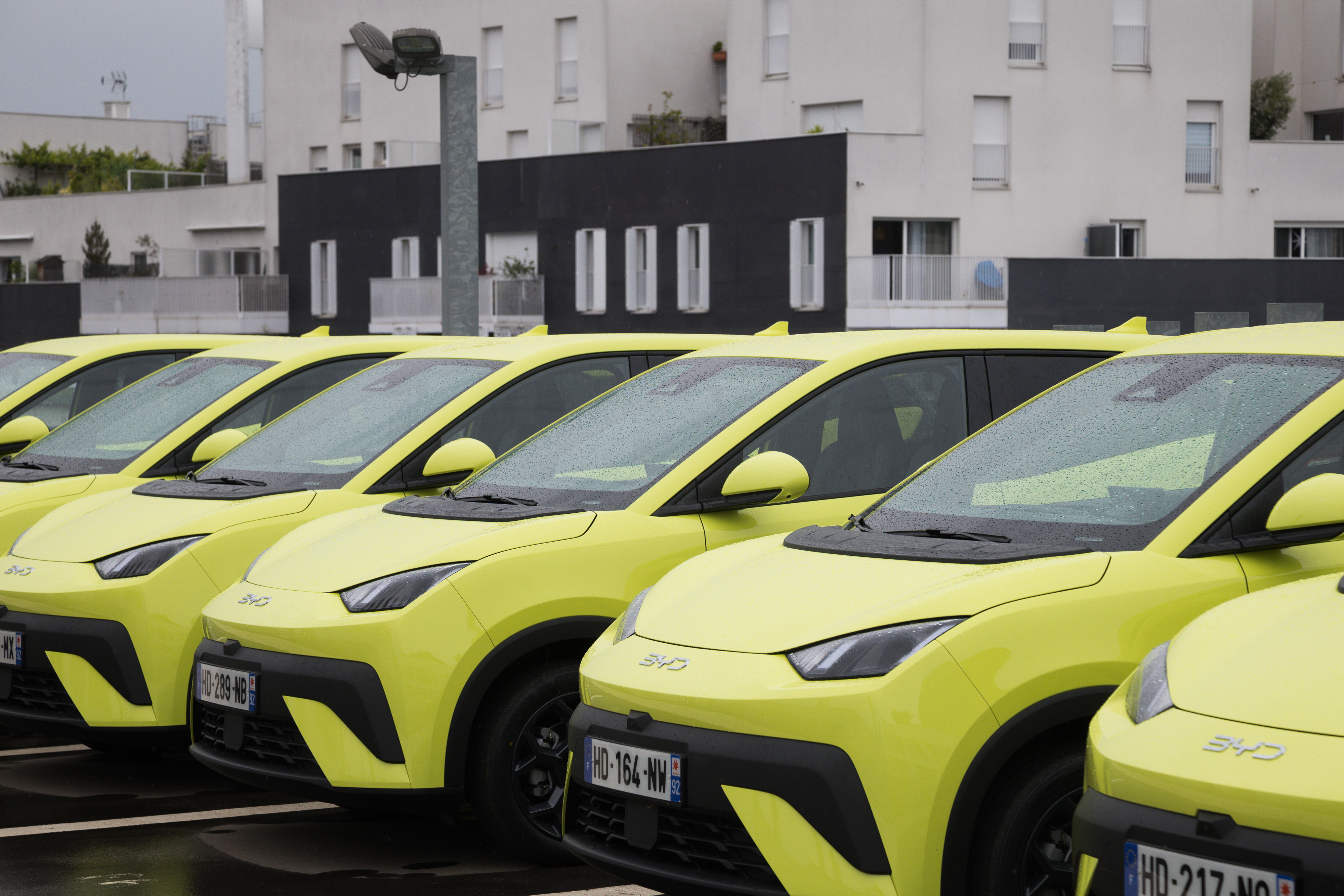
For all the breathless coverage we read (or see on TikTok or Reels, perhaps), it’s very rarely mentioned that those Chinese EVs aren’t nearly as cheap when they’re imported into Europe. Yes, they’re undercutting the competition, but once the cars have been specced to meet European expectations, they might cost more than double their Chinese retail price. So the cars are a few thousand euros or pounds cheaper than established alternatives, but they’re hardly the bargains the Internet has promised you.
Did I mention that those Chinese prices have been kept artificially low thanks to a price war among China’s hundreds of car companies, driven by government policies that incentivized overproduction?
That price war is mostly over now at the behest of the Chinese government, but the overproduction problem is quite real: China has the capacity to build about 45 million cars a year; last year, it built about 34 million cars, and fewer than half were sold domestically. The flood of Chinese car exports to the rest of the world does not stem from some kind of altruistic intention from President Xi Jinping to increase global mobility.
Those inexpensive cars are also cheap because they make do with small batteries, and the range numbers are based on China’s CLTC test. That bears little resemblance to the EPA’s testing, which remains the closest approximation of real-world efficiency for EVs.
Let’s be clear: Short-range EVs have been a sales disaster in the US. It’s ludicrous to pretend otherwise. This country’s car buyers’ obsession with being able to drive 300 miles uninterrupted, then stop for five minutes before covering another 300 miles, is undeniable. It’s also why every automaker selling a car here now puts such a large, heavy, and expensive battery pack between the wheels of their respective EVs. There’s a reason the Model S made as much of an impact as it did in 2012—200 miles of range was unheard of. Likewise, when the Chevy Bolt hit the street in early 2017 with a legit 238 miles for a fraction of the price, it was a significant achievement.
The small, short-range EVs that predate or co-existed alongside those—let’s call them second-gen lithium-ion EVs that began with the Model S—were compliance cars, offering maybe 150 miles of range on a good day. Unsurprisingly, America turned its nose up at them. The gas-powered Smart Car didn’t even suffer from an EV’s long recharging times or higher purchase price, and no one can credibly pretend those were a sales success here, either.
The marketeers might have pushed people from sedans to SUVs, but they’re not responsible for an environment in which every street has to be wide enough for two fire engines—that’s on your local fire department and the American Association of State Highway and Transportation Officials.
Policies can push things the other way. Kei cars are popular in Japan not because of an inherent preference for tiny cars but because you can’t buy a car in Japan without having a parking space for it, and a tiny Kei-sized space is much cheaper than one large enough for a compact car by European, American, or Chinese standards. I recently contacted the National Highway Traffic Safety Administration to see if there’s been any movement on the Trump edict to bring them to US roads but have not heard back for a couple of weeks now.
This is what you want?
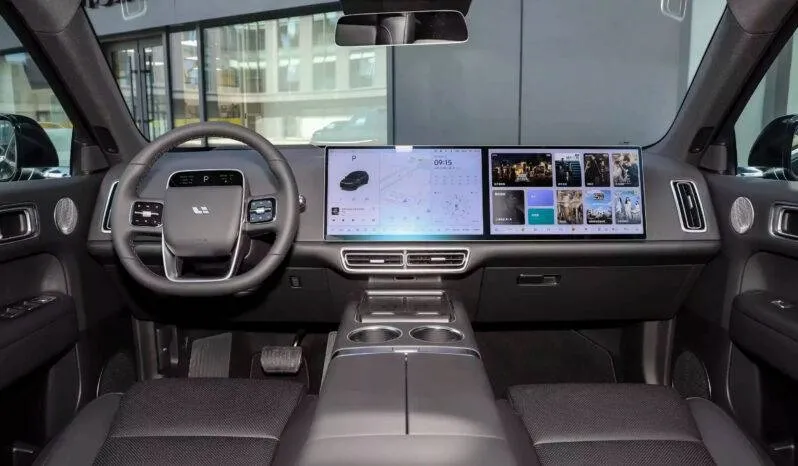
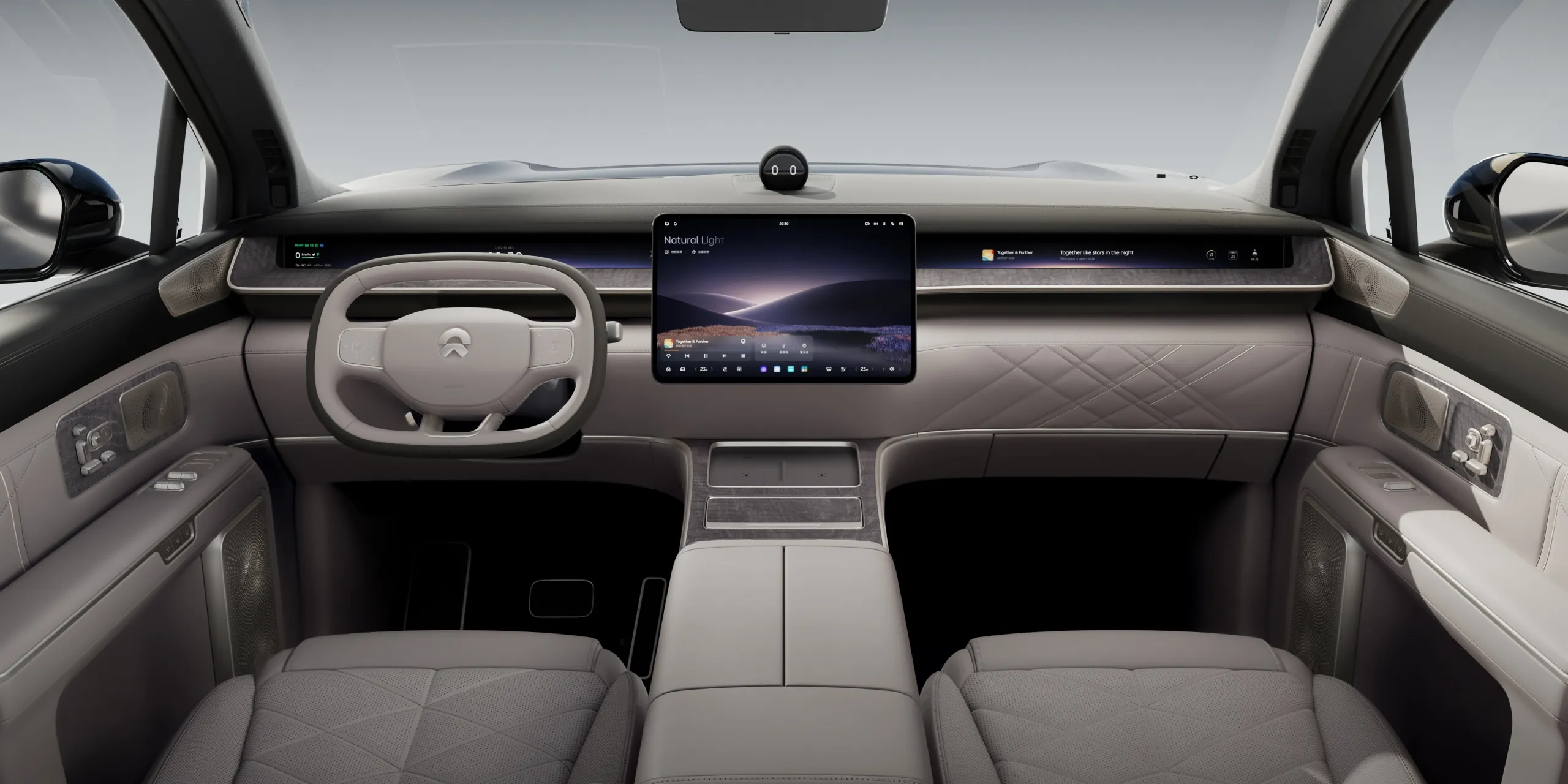
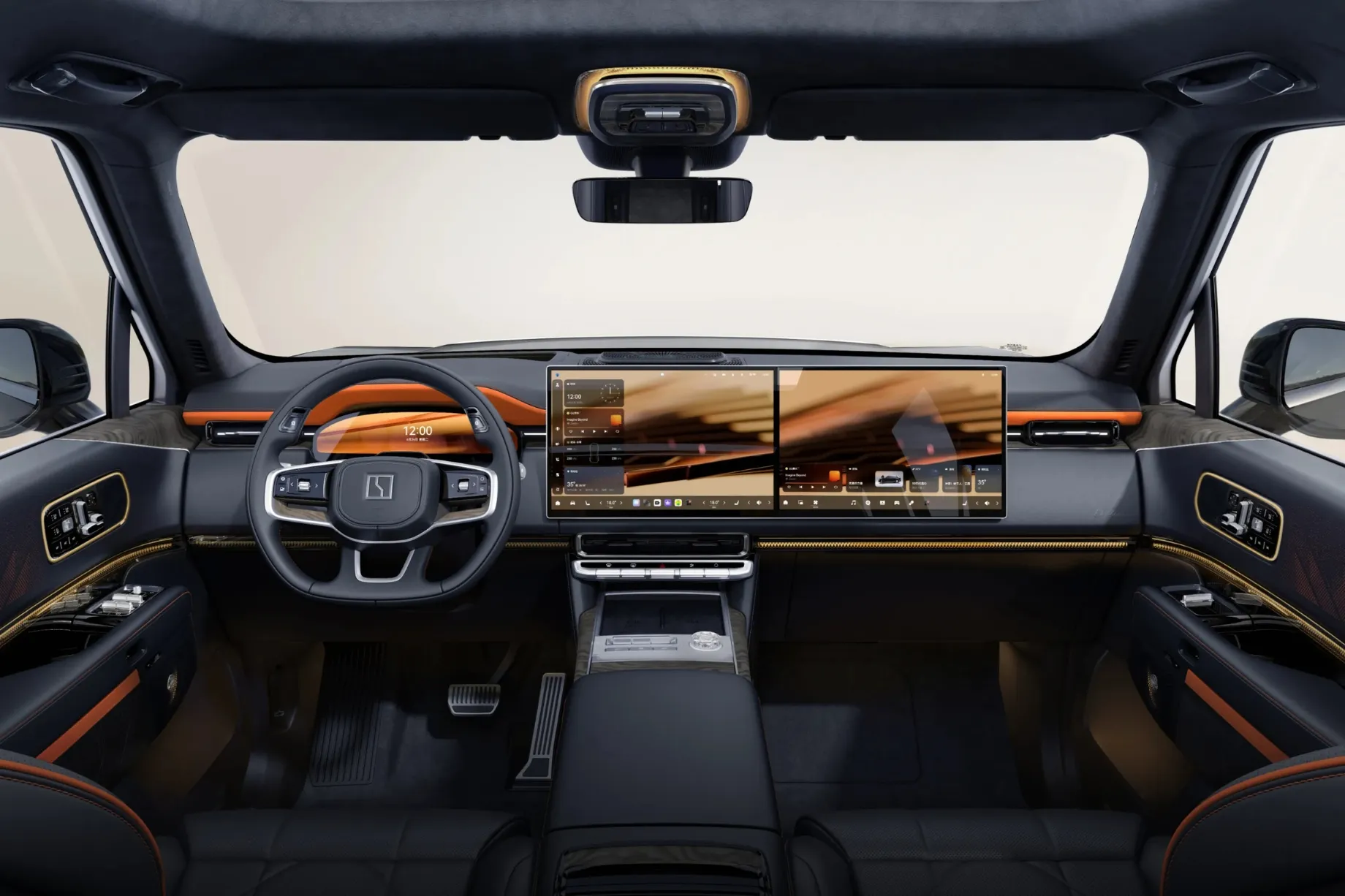
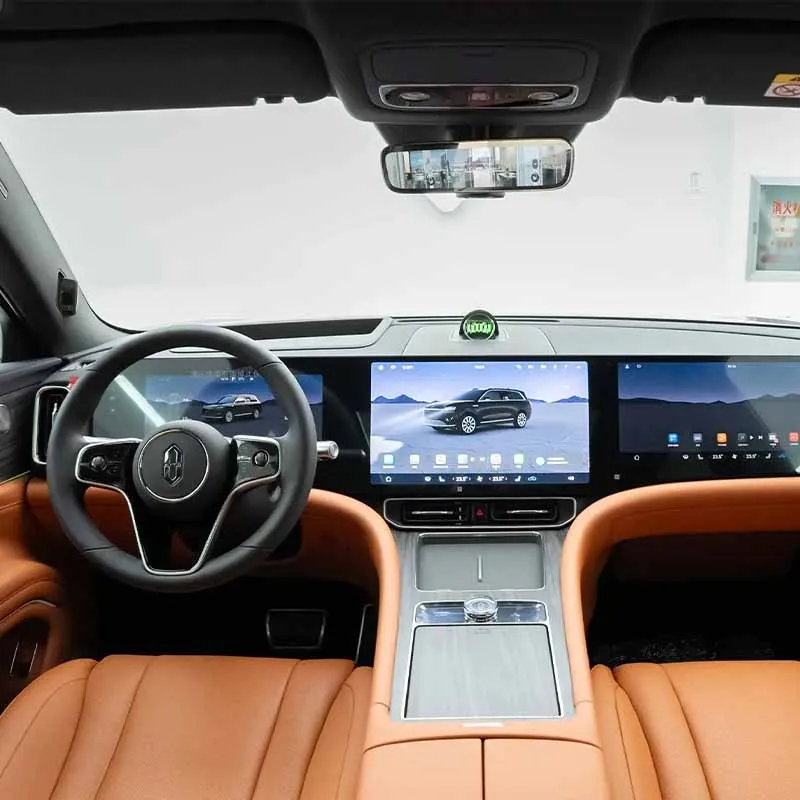
Then there are the cars themselves. Again, I’m mostly judging customer sentiment by 12+ years of reader comments and from what people post on social media, but I had thought we agreed that car interfaces that rely almost entirely on touchscreens are not a positive industry trend. They save OEMs time and money, but a touch interface is unequivocally less safe than buttons, which have to be individually homologated and individually assembled, and in this smartphone age, I certainly don’t think the front seat passenger needs a whole extra screen just for them.
But that’s what Chinese OEMs are offering, and that’s what we’re told rivals the invention of the presliced breadloaf in the grand discussion of “best things.” Think of every trend in the automotive industry of the last decade that you hate, and you’ll probably find plenty of it baked into new Chinese EVs. (On the other hand, LED headlights that also work as movie projectors are kinda cool—not gonna lie.)
Are we truly crying out for even more of a smartphone experience in our cars? I don’t know about you, but when I’m behind the wheel, it’s a guaranteed time of day when I can’t and won’t be doomscrolling. If the point is to give me something to do while I’m charging, why won’t the phone I already have work?
And that’s before the vehicles are crammed full of AI. Chinese automakers have become a new vanguard in the nation’s latest five-year plan, with a “revolution” spanning design and production, as well as in-car features like letting you give vague, natural-language directions instead of specifying a specific destination.
One might think that last bit of news would land like a lead balloon among communities with a high degree of disgust for AI. Then again, perhaps not. Principles like solidarity with workers or a commitment to road safety or being distrustful of AI are easy to maintain in the abstract if all they require is the occasional post on the Internet or social media.